Rose Island
Bucharest, Romania
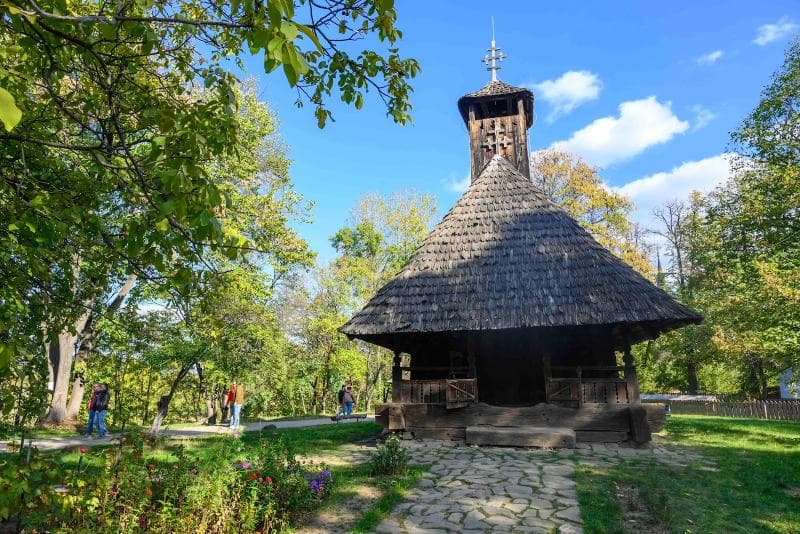
Discover Rose Island (Insula Trandafirilor), a serene and historic spot within King Mihai I Park in Bucharest, Romania, famed for its roses and rich past.
Overview
Nestled within the expansive King Mihai I Park in Bucharest, Romania, lies the enchanting Rose Island, or 'Insula Trandafirilor' in Romanian. This picturesque sub-spot offers a tranquil escape, distinct from the city's vibrant rhythm. The island is defined by its two parallel promenade paths, intricately adorned with climbing roses that bloom in a captivating display of color and fragrance.
Situated on an island within Lake Herăstrău, Rose Island is accessible via three charming bridges. Two are positioned to the north, close to the Herăstrău boat dock, while a third bridge to the south provides views towards the regal Elisabeta Palace and a small zoological reserve on the lake, often home to swans and turtles. It serves as a central hub within the larger park, making it an ideal destination for leisurely strolls and peaceful reflection.
History & Cultural Background
The story of Rose Island is intrinsically linked to the broader history of King Mihai I Park, an area that began its transformation from a marshy landscape. Between 1930 and 1935, significant drainage and hydro-engineering works were undertaken to create Lake Herăstrău and the surrounding park. The park's initial design and the fundamental layout of Rose Island, including its promenade paths, were established between 1936 and 1939, during the reign of King Carol II.
Throughout its existence, the park, and by extension, Rose Island, has witnessed a fascinating evolution, reflecting Romania's tumultuous 20th-century history. Originally intended as 'National Park' and later named 'Parcul Carol II,' it underwent renaming to 'Parcul I.V. Stalin' during the communist era, complete with a statue of the Soviet leader. After de-Stalinization, it became 'Herăstrău Park' and was finally christened 'King Michael I Park' in 2017, honoring the last monarch of Romania. Today, the island prominently features the 'Monument to the Founding Fathers of the European Union,' a collection of 12 bronze busts, inaugurated on Europe Day in 2006.
What Makes It Special
What truly sets Rose Island apart is its enduring charm as a sanctuary for beauty and contemplation. The meticulously cultivated climbing roses, which give the island its name, create a vibrant and fragrant atmosphere that evolves from early spring through late autumn. This natural splendor is complemented by the island's thoughtful design, which encourages a slower pace, inviting visitors to pause and absorb the peaceful surroundings rather than merely pass through.
Beyond its botanical allure, the island holds a unique historical weight. It has silently observed royal promenades and the shifting tides of political ideology, making it a living testament to Bucharest's past. The presence of the Monument to the Founding Fathers of the European Union adds a layer of modern historical significance, prompting reflection on contemporary European identity within a setting steeped in Romanian heritage.
Stories, Fun Facts & Local Details
Rose Island is more than just a beautiful garden; it's a place where personal histories intertwine with the grand narrative of the city. For decades, it has been a favored spot for marriage proposals, its romantic setting inspiring countless declarations of love amidst the fragrant blooms. This tradition underscores the island's role as a backdrop for significant life moments and cherished memories for many Bucharest residents.
Visitors might find it interesting that the park's creation involved transforming an extensive swamp into this green oasis, a monumental civil engineering feat of its time. The island's layout and its rose-lined paths have remarkably remained largely intact since their interwar conception, offering a continuous link to its origins. From its bridges, observers can sometimes spot the royal flag flying over Elisabeta Palace, indicating the presence of members of the Royal Family, adding a touch of contemporary regal history to the view.
Visitor Perspective
For a curious traveler, Rose Island offers a deeply immersive experience. It's a place to shed the urban bustle and step into a more serene world. Walking along the rose-covered trellises provides a multi-sensory delight—the visual feast of varied rose species, the gentle fragrance, and the quiet sounds of nature. The island's position allows for picturesque views of Lake Herăstrău, where small boats might glide past, and the surrounding park, providing excellent opportunities for photography.
Whether you're seeking a quiet moment of reflection, a romantic stroll, or a deeper connection with Bucharest's layered history, Rose Island delivers. Its blend of natural beauty, historical resonance, and cultural significance makes it an unforgettable part of the King Mihai I Park experience, offering a peaceful retreat that encourages a leisurely pace and mindful appreciation of its unique charm.
Coordinates: 26.081417, 44.47806
View on Google Maps💬 How Travelers Describe This Place
Based on community votes
Must See
921Unique
831Photogenic
433Beautiful
232Interesting
211
Traveler Stories
Discover memorable experiences shared by travelers who have visited this place.
No traveler stories yet.
Be the first traveler to share what made this place memorable.

Tour
By
Spot
Discover amazing places around the world. Your journey starts here.
Explore
© 2026 TourBySpot. All rights reserved.