Japanese Garden
Bucharest, Romania
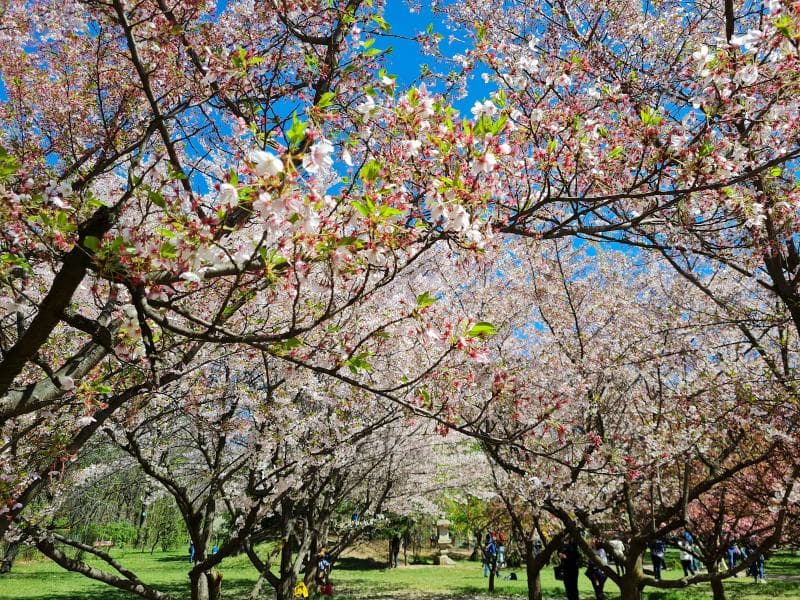
Discover the serene Japanese Garden in King Mihai I Park, Bucharest, Romania. Experience cherry blossoms, traditional design, and cultural tranquility.
Overview
Tucked away within the expansive King Mihai I Park in Bucharest, Romania, lies the serene Japanese Garden, a tranquil oasis offering a glimpse into Eastern horticulture and design. This peaceful corner of the city provides a welcome escape from urban clamor, inviting visitors to immerse themselves in a landscape meticulously crafted with traditional Japanese elements. It is renowned, particularly in springtime, for its stunning cherry blossoms, transforming the garden into a picturesque spectacle of delicate pink and white blooms.
The garden was conceived as a symbol of friendship and cultural exchange between Romania and Japan. It features authentic design principles, including thoughtfully placed water features, graceful bridges, and carefully selected Japanese flora. It offers a unique opportunity to experience a slice of Japanese tranquility right in the heart of the Romanian capital.
History & Cultural Background
The Japanese Garden in King Mihai I Park was officially opened in 1998, a collaborative effort with the direct involvement of the Japanese Embassy in Bucharest and the Japanese World Trade Fair. This creation was not merely an aesthetic addition but a meaningful gesture designed to foster cultural understanding and diplomatic ties. Over the years, the garden has benefited from refurbishments and redesigns, with continued support from the Embassy of Japan, ensuring its authentic spirit and beauty are maintained.
The larger King Mihai I Park, originally known as Herăstrău Park, boasts a rich history itself. What was once a marshy area was drained between 1930 and 1935 to create this significant green space, which officially opened in 1936. The park has witnessed several historical eras, reflected in its successive name changes, from National Park and Carol II Park to I.V. Stalin Park, before returning to Herăstrău Park and finally being renamed King Mihai I Park in 2017 to honor Romania's last monarch.
What Makes It Special
The Japanese Garden stands out for its faithful adherence to traditional Japanese garden design principles, which include asymmetry, enclosure, borrowed scenery, balance, and profound symbolism. Visitors will discover quintessential Japanese architectural elements such as cobbled pathways, gently flowing streams crossed by elegant arched bridges, rustic bamboo fences, and iconic stone lanterns.
Its most celebrated feature, however, is undoubtedly the collection of Japanese cherry trees (sakura). With recent plantings bringing the total to 85 trees, the garden is recognized as Europe's largest Japanese cherry blossom garden. Beyond the sakura, the garden also showcases a variety of other Japanese plant species, including bonsai, maple trees, Japanese quinces, and weeping acacias, creating a diverse and captivating botanical display throughout the seasons.
Stories, Fun Facts & Local Details
Each spring, typically in April, the Japanese Garden becomes the vibrant stage for 'Hanami', the traditional Japanese celebration of cherry blossoms. This cherished custom of 'flower viewing' draws crowds of locals and tourists alike to admire the transient beauty of the blooms. The Japanese Embassy in Romania actively organizes this annual festival, which offers a rich cultural experience.
During Hanami, visitors can partake in a variety of workshops and demonstrations. These often include the intricate art of origami, the graceful strokes of Japanese calligraphy, and displays of traditional Japanese martial arts like kyudo (archery), kendo, and karate. Tea ceremonies and traditional Japanese games also add to the festive atmosphere, inviting a deeper engagement with Japanese culture. It's a common sight to see people spreading blankets beneath the blossoming trees, embracing the 'slow living' philosophy that the garden naturally inspires, a peaceful contrast to the city's usual pace.
Visitor Perspective
For any traveler seeking a moment of peace and reflection, the Japanese Garden offers an idyllic retreat. It is a place designed for quiet contemplation and appreciation of nature's beauty, far removed from the urban clamor of Bucharest. The garden is open year-round with free entry, making it an accessible sanctuary for everyone. While beautiful at any time, visiting during the spring cherry blossom season in April offers the most spectacular and emotionally resonant experience.
Approaching the garden from the Arcul de Triumf (Triumphal Arch) side of King Mihai I Park is often recommended for convenience. The experience is one of immersion: the gentle sounds of water, the intricate landscaping, and the vibrant colors encourage a pause, a breath, and a connection with a culture known for its profound appreciation of nature. Whether you're a photography enthusiast capturing the fleeting beauty of sakura or simply looking for a quiet spot to read, the Japanese Garden provides a uniquely calming and enriching experience in Bucharest.
Coordinates: 26.081417, 44.47806
View on Google Maps💬 How Travelers Describe This Place
Based on community votes
Unique
921Photogenic
831Must See
357Interesting
232Beautiful
147
Traveler Stories
Discover memorable experiences shared by travelers who have visited this place.
No traveler stories yet.
Be the first traveler to share what made this place memorable.

Tour
By
Spot
Discover amazing places around the world. Your journey starts here.
Explore
© 2026 TourBySpot. All rights reserved.