Lakeside Promenade
Bucharest, Romania
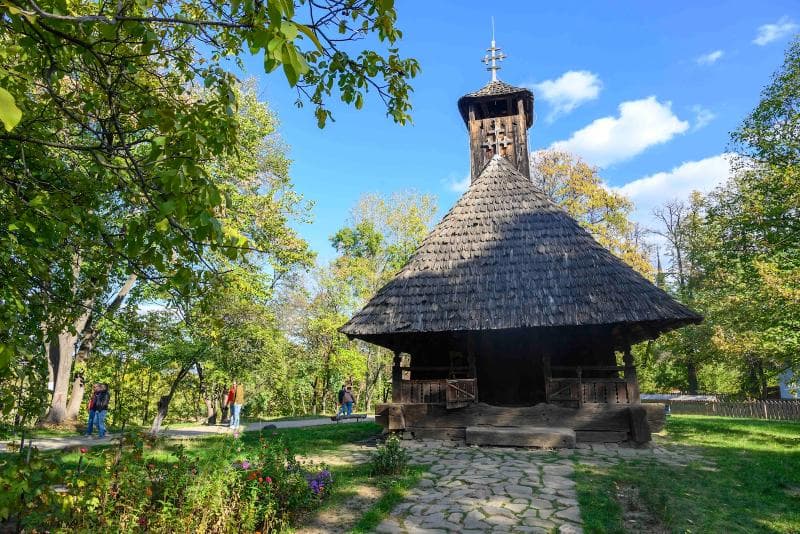
Explore the serene Lakeside Promenade in King Mihai I Park, Bucharest, Romania. Discover its rich history, cultural gems, and scenic lake views.
Overview
Nestled in the northern part of Bucharest, Romania, the Lakeside Promenade of King Mihai I Park offers a serene escape from the city's vibrant pace. This expansive green space, officially known as King Mihai I Park since 2017 but still widely referred to by its former name, Herăstrău Park, centers around the beautiful Lake Herăstrău, one of the lakes formed by the Colentina River. The promenade itself traces the edge of this artificial lake, providing a continuous, scenic pathway that invites visitors to stroll, jog, or cycle amidst lush natural beauty. It's a beloved destination for both locals and tourists seeking tranquility, recreation, and a touch of cultural immersion in the Romanian capital. The park, covering approximately 187 hectares, with 74 hectares dedicated to the lake, is an urban oasis blending manicured gardens with more natural, rustic zones.
History & Cultural Background
The history of King Mihai I Park and its Lakeside Promenade is deeply intertwined with Bucharest's urban development. What is now a picturesque park was once a marshy area surrounding Lake Herăstrău. Extensive drainage work was undertaken between 1930 and 1935, transforming the wetlands into the foundations of a grand public park. Officially opened in 1936, the park was initially conceived as the National Park and designed by notable architects Ernest Pinard and Friedrich Rebhuhn. Over the decades, the park has borne several names, reflecting Romania's tumultuous 20th-century history, including Carol II Park, National Park, and I.V. Stalin Park, before being known as Herăstrău Park. Its renaming in December 2017 honored the last sovereign of Romania, King Michael I, shortly after his passing. By the mid-19th century, the Herăstrău area was already a favored promenade spot for the Romanian elite, highlighting its long-standing appeal as a place for leisurely walks and social gatherings.
What Makes It Special
The Lakeside Promenade stands out for its impressive 7.4-kilometer scenic path that encircles Lake Herăstrău, providing ample space for long walks, leisurely bike rides, and invigorating runs. The views along the promenade are ever-changing, from serene stretches lined with weeping willows to vibrant areas bustling with activity. The lake itself is a focal point, offering opportunities for boating, kayaking, and paddleboating, allowing visitors to experience the park from a different perspective. Beyond the natural allure, the promenade provides direct access to several significant cultural attractions. The Dimitrie Gusti National Village Museum, an open-air ethnographic exhibit showcasing authentic traditional Romanian structures from across the country, is situated along the western side of the park, making the promenade a gateway to Romania's rural heritage. Further enhancing its charm is the beautifully landscaped Japanese Garden, a tranquil spot for reflection and enjoyment, especially during the cherry blossom season. Scattered sculptures, an open-air theater, and various cafes and restaurants along the lakefront add to the rich tapestry of experiences available.
Stories, Fun Facts & Local Details
The name 'Herăstrău' itself carries a piece of local history, originating from a dialectal version of the Romanian word 'ferăstrău,' meaning 'saw' or 'sawmill,' a nod to the water-powered sawmills that once operated along the Colentina River. As you walk the promenade, you might encounter the 'Alley of the Caryatides,' an ensemble of statues representing peasant women from various Romanian regions, holding jugs on their heads, a unique artistic touch adding to the park's character. The park also hosts various cultural events throughout the year, such as the annual Hanami festival in the Japanese Garden, celebrating cherry blossoms with traditional Japanese ceremonies. For those curious about the park's past, a memorial plaque near the Village Museum commemorates the park's creation under King Carol II. An interesting detail is that the lake is man-made and relatively shallow, a testament to the significant engineering effort that went into transforming the marshlands. The promenade provides unique viewpoints, including picturesque reflections of the Romanian Athenaeum's dome in the lake, particularly stunning on clear days.
Visitor Perspective
For visitors, the Lakeside Promenade offers a versatile experience. Early mornings or late evenings are often recommended to avoid crowds and enjoy a more peaceful atmosphere, especially on weekends when the path can become lively with families, joggers, and cyclists. The promenade's long, flat surface is ideal for anyone looking for a leisurely walk or a more intense workout. Bike rentals are readily available, providing a popular way to explore the entire park loop. Numerous cafes and restaurants line the lake, offering perfect spots to relax with a drink or a meal while enjoying the water views. For a deeper cultural dive, allocating time to visit the nearby Village Museum is highly recommended, offering a fascinating glimpse into Romania's rural traditions. The blend of natural beauty, recreational opportunities, and cultural landmarks ensures that a visit to the Lakeside Promenade in King Mihai I Park is a refreshing and enriching experience, whether one seeks active recreation or simply a tranquil moment in nature.
Coordinates: 26.081417, 44.47806
View on Google Maps💬 How Travelers Describe This Place
Based on community votes
Photogenic
446Unique
152Interesting
33Must See
30Beautiful
16
Traveler Stories
Discover memorable experiences shared by travelers who have visited this place.
No traveler stories yet.
Be the first traveler to share what made this place memorable.

Tour
By
Spot
Discover amazing places around the world. Your journey starts here.
Explore
© 2026 TourBySpot. All rights reserved.