Jordaan
Amsterdam, Netherlands
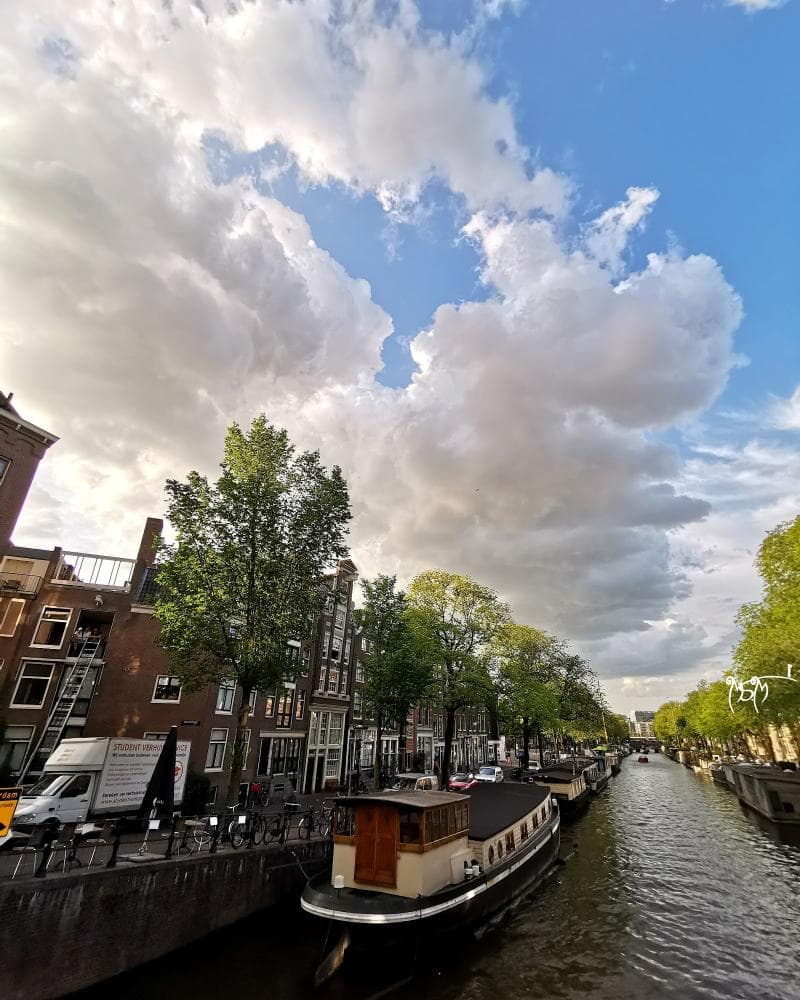
Explore Jordaan, Amsterdam's charming and historic neighborhood. Discover its unique canals, 'hofjes', lively markets, and rich cultural past in the Netherlands.
Overview
The Jordaan, nestled in the heart of Amsterdam, Netherlands, is a neighborhood renowned for its picturesque canals, charming narrow streets, and distinctive character. What was once a working-class area has transformed into one of the city's most sought-after and vibrant districts. It exudes a village-like atmosphere, offering a blend of historic beauty and contemporary life that captivates locals and visitors alike.
History & Cultural Background
The Jordaan's story begins in the early 17th century, during Amsterdam's Golden Age, when it was established to accommodate the city's growing population of artisans, laborers, and immigrants. The origin of its name is debated; some believe it derives from the French word 'jardin,' meaning garden, reflecting the many gardens that once flourished here and the streets named after trees and flowers. Another theory suggests it was named after the Jordan River, given the significant Jewish population that settled in the area. For centuries, the Jordaan was a densely populated and often impoverished district, characterized by cramped housing, open sewers, and a lack of running water, particularly by the 19th and early 20th centuries. Despite these challenging conditions, the area fostered a strong sense of community and was historically a stronghold for left-wing movements, experiencing notable social unrest throughout its past. A significant transformation occurred in the late 20th century, as gentrification revitalized the district, turning it into the vibrant, desirable neighborhood it is today. The Jordaan also holds a poignant connection to World War II history, with the Anne Frank House located on its eastern border.
What Makes It Special
The Jordaan's distinct charm lies in its labyrinthine grid of streets and canals, which were built along old ditches and paths, giving it an unusual orientation compared to the rest of Amsterdam. This layout creates an endlessly explorable and picturesque setting. A standout feature is its high concentration of 'hofjes,' or hidden inner courtyards. These serene, often beautifully maintained gardens surrounded by small houses were originally built by wealthy benefactors to house elderly women as a form of charity. Many have been restored and offer peaceful retreats. The neighborhood masterfully blends its rich history with modern appeal, featuring traditional 'brown cafes'—cozy, historic pubs—alongside contemporary art galleries, unique boutiques, and diverse restaurants. The Jordaan is also a haven for market lovers, hosting various weekly markets such as the Noordermarkt, known for its flea market and organic produce, the Lindengracht Market for food, and the Westerstraat market for textiles. The iconic Westerkerk, with its towering bell tower, and the historic Noorderkerk are prominent landmarks that contribute to the district's unique skyline.
Stories, Fun Facts & Local Details
One fascinating detail you might notice while strolling through the Jordaan is the presence of 'stone tablets' ('gevelstenen') embedded in the facades of many houses. These carved stones often depict the profession or family sign of the original inhabitants, a tradition that dates back to the 16th century, predating house numbering. The Westertoren, the elegant bell tower of the Westerkerk, stands as the tallest church tower in Amsterdam and serves as a beloved visual signature of the Jordaan. The district was also known for its lively music scene in the 20th century, and statues commemorating popular local musicians can be found, reflecting the neighborhood's deep cultural roots and community spirit. The journey of the Jordaan from a crowded, low-income area to a highly desirable and artistic hub is a testament to its enduring spirit and the city's investment in preserving its historical character. Locals affectionately call themselves 'Jordanese' and are known for their pride in maintaining the beauty and unique atmosphere of their neighborhood.
Visitor Perspective
For any curious traveler, exploring the Jordaan is an essential Amsterdam experience. Its compact, pedestrian-friendly layout makes it ideal for discovering on foot or by bicycle, allowing you to fully immerse yourself in its distinctive charm. Visiting the Jordaan offers a more authentic and local perspective of Amsterdam, often feeling like a peaceful escape from the city's more bustling tourist centers. You can delve into history at museums like the Anne Frank House (situated on the edge of the district), explore the unique Houseboat Museum, or visit the charming Pianola Museum. Indulge in the local culinary scene by sampling traditional Dutch dishes in a 'brown cafe' or exploring the diverse offerings in its many restaurants. The markets provide excellent opportunities for shopping for unique souvenirs, local produce, or simply soaking in the lively atmosphere. With its relaxed pace and genuine local life, the Jordaan promises a memorable and culturally enriching journey.
Coordinates: 4.88969, 52.37403
View on Google Maps💬 How Travelers Describe This Place
Based on community votes
Photogenic
915Beautiful
211Interesting
123Unique
74Must See
20
Traveler Stories
Discover memorable experiences shared by travelers who have visited this place.
No traveler stories yet.
Be the first traveler to share what made this place memorable.
Things to see at Jordaan



Tour
By
Spot
Discover amazing places around the world. Your journey starts here.
Explore
© 2026 TourBySpot. All rights reserved.