Cafés
Amsterdam, Netherlands
Discover the authentic café culture of Jordaan, Amsterdam, Netherlands. Explore historic brown cafés, their rich history, and local charm.
Overview
Nestled within Amsterdam's picturesque Jordaan district, the local cafés offer more than just a place to enjoy a drink; they are vibrant social hubs, steeped in history and authentic Dutch culture. This charming neighborhood, famous for its narrow canals and quaint streets, boasts a café scene that beautifully reflects its working-class origins and tight-knit community spirit. Visitors can discover a blend of traditional 'brown cafés' and more contemporary establishments, each contributing to the Jordaan's unique atmosphere. It's a place where time seems to slow down, inviting travelers to immerse themselves in genuine local life.
History & Cultural Background
The Jordaan was established in the 17th century as a district for laborers, immigrants, and small tradespeople, a stark contrast to the grand canal houses of Amsterdam's wealthy merchants. This history forged a strong sense of community and identity, which remains palpable today. The 'brown cafés' emerged as integral parts of this social fabric. The term 'brown café' itself evokes an image of their characteristic interiors: dark wood paneling, dim lighting, and often, walls stained brown from centuries of tobacco smoke (before smoking bans were introduced). These establishments served as living rooms for the locals, places for gossip, camaraderie, and shared experiences. They were, and still are, central to the Jordaan's 'gezelligheid' – a Dutch concept encompassing coziness, conviviality, and a warm, friendly atmosphere.
What Makes It Special
The cafés in Jordaan stand out due to their unwavering authenticity and deep-rooted community connection. Unlike modern, often transient coffee shops, many brown cafés have been operating for centuries, some dating back to the 1600s. They are typically unpretentious spaces where the focus is on conversation, connection, and enjoying a simple beer or a traditional Dutch jenever. You won't often find loud music or televisions; instead, the background hum is usually the chatter of patrons. The interiors often retain historical details, such as antique furnishings, original wooden bars, and even sawdust on the floors in some older establishments, providing a tangible link to the past. This dedication to tradition makes them living museums of Dutch café culture.
Stories, Fun Facts & Local Details
- Café Chris: Established in 1624, Café Chris holds the distinction of being one of the oldest cafés in the Jordaan, famously where builders of the nearby Westerkerk would collect their wages.
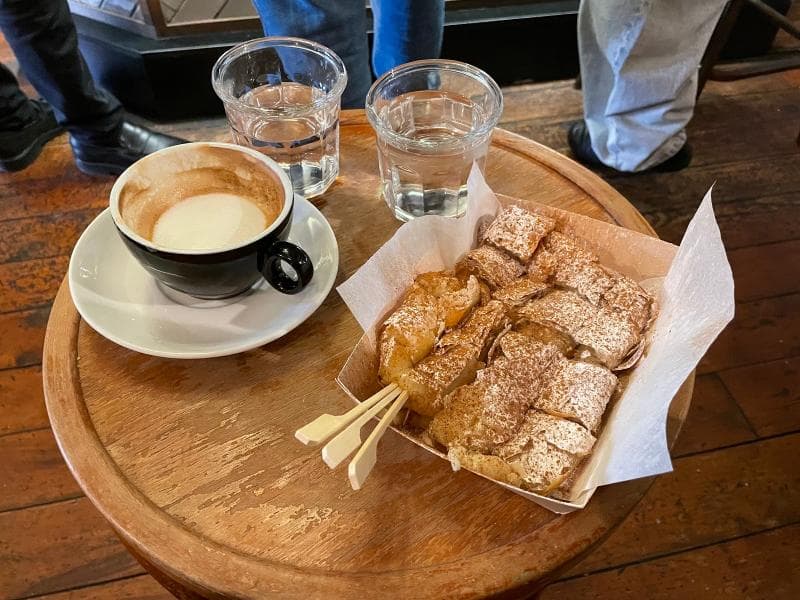
- Café 't Papeneiland: Dating back to 1642, this iconic brown café at Prinsengracht 2 is not only one of the most photographed spots in Amsterdam but also rumored to have a secret tunnel in its basement that once led to a Catholic hidden church across the canal. In 2011, former President Bill Clinton visited the café specifically to try their renowned apple pie.
- Café 't Smalle: Originally a jenever distillery founded in 1780 by Peter Hoppe, this café is cherished for its authentic atmosphere and beautiful waterside terrace along the Egelantiersgracht. It even features a 'drink organ' – a tap specifically for spirits.
- De Twee Zwaantjes: Opened in 1800, this café served as a meeting place for the Dutch resistance during World War II and is now known for its lively music and cozy ambiance, attracting both young and old.
- Café Lowietje: Famously featured in the Dutch TV series 'Baantjer', where detectives Vledder and De Cock often had their breakthroughs, the stools they sat on are reportedly still in place.
- Winkel 43: While not a traditional brown café, Winkel 43 near Noordermarkt is celebrated throughout Amsterdam for serving what many claim is the best apple pie in the city.
- Café Saarein: Originally established in 1978 as the Netherlands' first women's café, it has since evolved into a welcoming space for all queer-minded individuals who appreciate music, pool, and a lively social scene.
- The Eel Revolt: The 1886 'Palingoproer' (Eel Revolt), a significant working-class uprising, reportedly started in front of De Kat in de Wijngaert when authorities banned the traditional, albeit cruel, practice of 'eel-heading'.
Visitor Perspective
For any curious traveler, a visit to the cafés of Jordaan offers a true glimpse into the heart of Amsterdam's local culture. Step inside one of these historic brown cafés, find a spot at the bar or a small table, and order a traditional Dutch beer or a jenever. Observe the locals, perhaps engage in a friendly conversation if the opportunity arises, and simply soak in the 'gezelligheid'. These are places to unwind, reflect, and experience the unhurried pace of authentic Amsterdam life. Don't be surprised if you find yourself lingering longer than planned, charmed by the warmth and genuine character of these beloved neighborhood institutions. It's an experience that offers a profound connection to the city's past and present.
Coordinates: 4.88028, 52.37917
View on Google Maps💬 How Travelers Describe This Place
Based on community votes
Must See
915Unique
873Photogenic
477Interesting
422Beautiful
53
Traveler Stories
Discover memorable experiences shared by travelers who have visited this place.
No traveler stories yet.
Be the first traveler to share what made this place memorable.

Tour
By
Spot
Discover amazing places around the world. Your journey starts here.
Explore
© 2026 TourBySpot. All rights reserved.