Hidden Courtyards
Amsterdam, Netherlands
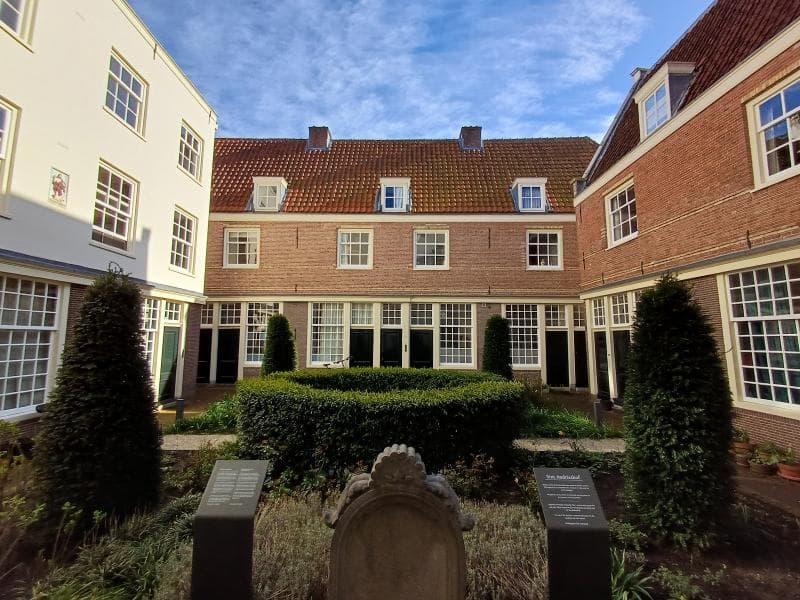
Discover Amsterdam's Hidden Courtyards (Hofjes) in the Jordaan district. Explore tranquil, historic oases with rich cultural stories and unique architecture.
Overview
Tucked away amidst the bustling streets and scenic canals of Amsterdam's Jordaan district lie its enchanting 'Hidden Courtyards', locally known as hofjes. These tranquil oases, veiled behind unassuming wooden doors and narrow passageways, offer a peaceful escape from the city's vibrant energy. The Jordaan, famed for its labyrinthine alleys and distinctive 17th-century architecture, boasts over 20 such historic courtyards, each a residential haven that feels like a secret garden hiding in plain sight.
Stepping into a hofje is like entering a bygone era, where quiet contemplation replaces urban clamor. While most remain private residences, a selection is graciously opened to the public during specific hours, typically between 10:00 AM and 5:00 PM, though often closed on Sundays. These courtyards are not merely architectural features; they are living testaments to Amsterdam's rich social history and enduring community spirit, inviting respectful visitors to discover a deeper, more intimate side of the city.
History & Cultural Background
The origins of Amsterdam's hofjes trace back to the 17th century, a period of significant growth and charitable endeavor in the Dutch Golden Age. These courtyards were conceived as a form of social housing, established by wealthy merchants and religious organizations as acts of philanthropy. They provided free accommodation and a safe haven for the city's most vulnerable: elderly women, widows, and the poor.
The Jordaan, then a densely populated working-class neighborhood outside the main canal belt, became a natural home for many hofjes due to the high demand for social amenities and cheaper land. Each hofje functioned as a self-sufficient community, often governed by strict rules that encouraged good behavior and communal living. Over the centuries, these foundations evolved, reflecting changing societal needs. By the 1970s, many had fallen into disrepair, but subsequent restoration efforts have preserved their unique charm, transforming them into some of Amsterdam's most sought-after residences, often inhabited by artists and students alongside long-term residents.
The very name 'Jordaan' is believed by some to be a derivative of the French word 'jardin', meaning 'garden', a fitting etymology for a district so intertwined with these hidden green spaces. This historical context underscores the hofjes' role not just as buildings, but as vital threads in the social and cultural fabric of Amsterdam.
What Makes It Special
What sets the Jordaan's hidden courtyards apart is their profound sense of serenity and their almost magical ability to transport visitors away from the bustling city. Each hofje is a miniature world, typically featuring a central garden surrounded by small, historic almshouses. These architectural ensembles are not grand or ostentatious; their beauty lies in their understated charm, intimate scale, and well-preserved historical integrity.
They are remnants of a time when community care was paramount, offering a tangible link to Amsterdam's charitable past. The contrast between the lively streets of the Jordaan and the profound quiet within these courtyards is striking, creating an almost meditative experience. Unlike grand public gardens, hofjes maintain an air of exclusivity and discovery, rewarding those who seek them out with an authentic glimpse into local life and history that few other attractions can provide. They embody a unique blend of architectural heritage, social history, and natural beauty, making them truly special destinations.
Stories, Fun Facts & Local Details
Each of the Jordaan's hofjes possesses its own unique story and character. The Karthuizerhof, for instance, is one of the largest and most impressive, built in 1650 on the grounds of a former Carthusian monastery. Its design is even attributed to Daniël Stalpaert, the renowned architect behind the Royal Palace on Dam Square. Another notable example is the Sint Andrieshofje, dating back to 1617, making it one of the oldest in the Jordaan, accessible via a discreet narrow passageway.
The charming Raepenhofje, established in 1648, features a quaint stone plaque above its entrance depicting a turnip ('raap' in Dutch), a delightful nod to its name. These small details are part of the joy of discovery. The community spirit of the Jordaan is legendary; its residents, known as 'Jordanezen', are celebrated for their distinctive accent, directness, and deep love for folk music. While exploring, visitors might notice historic stone tablets on house facades, which once served as visual signs of a resident's profession in an era before house numbers were common.
Visitor Perspective
Exploring the hidden courtyards of the Jordaan is an experience best undertaken with a sense of curiosity and respect. These residential areas are living communities, and visitors are asked to observe specific etiquette: maintaining quiet, refraining from photography of residents or their homes, staying on designated paths, and avoiding large groups. Many hofjes are private, and access is a privilege, often granted only between specific hours like 10:00 AM and 5:00 PM, and typically not on Sundays.
The entrances are often discreet—plain wooden doors or subtle arched gateways—requiring a keen eye and a willingness to wander the winding streets. A weekday morning is often the best time to visit, offering the quietest atmosphere. This respectful approach ensures that these precious historical havens can continue to be enjoyed by both residents and curious travelers. Discovering a hofje offers a unique, tranquil connection to Amsterdam's past, providing an authentic and unhurried perspective away from the more frequented tourist paths.
Coordinates: 4.88969, 52.37403
View on Google Maps💬 How Travelers Describe This Place
Based on community votes
Photogenic
703Unique
521Must See
477Beautiful
157Interesting
28
Traveler Stories
Discover memorable experiences shared by travelers who have visited this place.
No traveler stories yet.
Be the first traveler to share what made this place memorable.

Tour
By
Spot
Discover amazing places around the world. Your journey starts here.
Explore
© 2026 TourBySpot. All rights reserved.