Art Galleries
Amsterdam, Netherlands
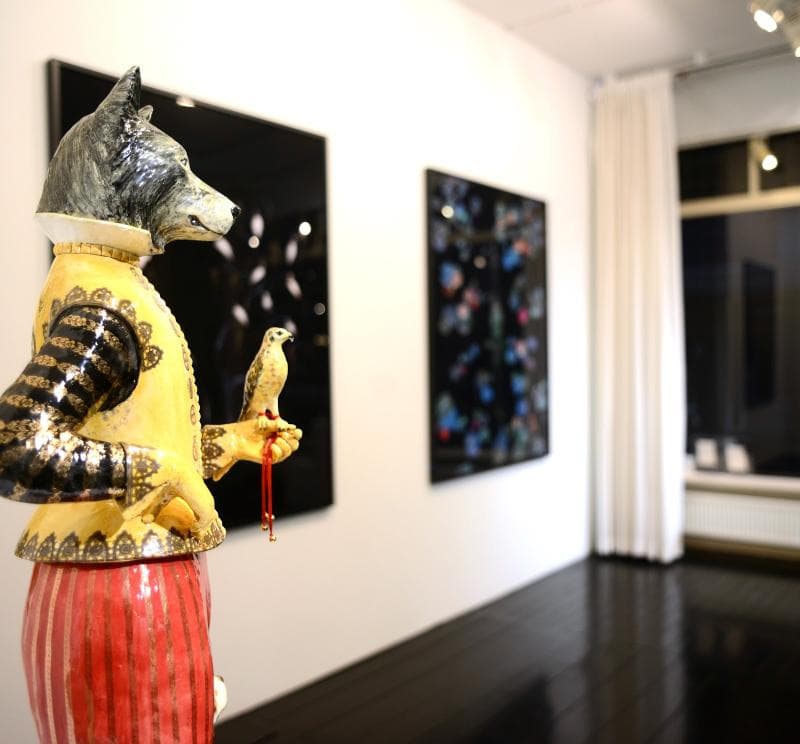
Discover the vibrant art galleries of Jordaan, Amsterdam, Netherlands. Explore diverse collections, historical context, and local artistic charm.
Overview
The Jordaan district in Amsterdam, Netherlands, is a charming and historically rich neighborhood, widely recognized for its vibrant art scene. What was once a working-class area has transformed into a cultural hub, boasting a diverse collection of art galleries. These galleries showcase a wide range of artistic expressions, from traditional Dutch pieces to cutting-edge contemporary and avant-garde installations. Beyond its artistic offerings, the Jordaan provides a picturesque setting with its narrow streets, tranquil canals, and an inviting blend of historic charm and modern creativity, making it a popular destination for art enthusiasts and curious travelers alike.
History & Cultural Background
The Jordaan district began its life in the early 17th century during Amsterdam's Golden Age. It was initially developed as a densely populated area to house artisans, laborers, and immigrants who sought opportunities in the burgeoning city. For centuries, it remained a district characterized by small, crowded houses, and at times, challenging living conditions, with open sewers and a lack of running water. The name 'Jordaan' is widely believed to be derived from the French word 'jardin,' meaning 'garden,' a reference to the many streets and canals in the area that are named after flowers and trees. During its earlier, less affluent periods, the district attracted artists, including the renowned painter Rembrandt van Rijn, who lived there in his later, less successful years due to the lower rents.
By the mid-20th century, the Jordaan underwent significant changes. Starting in the 1960s and 1970s, it experienced extensive renovation and gentrification. This period saw the neighborhood evolve from its working-class roots into a desirable area, attracting a new wave of residents including artists, students, and young professionals. Today, the Jordaan is recognized as a protected cityscape, preserving its unique character while embracing its status as a lively cultural center.
What Makes It Special
The art galleries in the Jordaan are truly a treasure trove for art lovers. The district features a high concentration of independent galleries that pride themselves on showcasing a diverse range of artistic styles. Visitors can explore spaces exhibiting everything from classic Dutch art to innovative contemporary works and avant-garde installations. Prominent galleries such as Galerie Ron Mandos and Galerie Fons Welters are known for featuring both established and emerging Dutch and international artists, contributing significantly to the area's cultural vibrancy. Other notable galleries include Galerie Bart, Galerie Gist Amsterdam, Tegenboschvanvreden, and ROZENSTRAAT – a rose is a rose is a rose, many of which can be found along picturesque canals like Bloemgracht. This rich concentration of artistic venues, combined with the district's distinctive canal-side charm and historical atmosphere, creates a unique and inspiring environment for art exploration.
Stories, Fun Facts & Local Details
One of the delightful aspects of the Jordaan's art scene is the tradition of 'Open Studio Days.' These events, often held monthly, provide a special opportunity for visitors to meet local artists in their creative environments and gain insight into their work processes. Beyond paintings and sculptures, the district also has a 'Jewels in the Jordaan' route, guiding visitors through charming alleyways to discover local gold and silversmiths.
The Jordaan is also home to numerous 'hofjes,' which are tranquil inner courtyards. These were originally built by wealthy citizens to provide housing for elderly women, a form of charitable support. Many of these hofjes, now beautifully restored, are inhabited by artists and occasionally open to the public for 'hofjesconcerten' (courtyard concerts) during the summer. Another fascinating detail of the district's architecture are the historic stone tablets adorning many facades. These carved signs, which date back to the 16th century, once served as visual identifiers, displaying the profession or family sign of the inhabitants, such as a pig for a butcher or scissors for a tailor. Historically, the famous painter Rembrandt van Rijn maintained a studio on the Bloemgracht canal and was eventually buried in the nearby Westerkerk. The spirit of the Jordaan is also encapsulated in the music of Johnny Jordaan, a celebrated local singer whose songs vividly depicted life in this unique Amsterdam neighborhood.
Visitor Perspective
Exploring the art galleries of the Jordaan offers a truly immersive cultural experience. The district's compact size and pedestrian-friendly layout make it ideal for leisurely strolls, allowing visitors to discover galleries nestled among its narrow streets and picturesque canals. Whether you are a seasoned art collector or simply a curious traveler, the Jordaan's diverse art scene, with its blend of established institutions and independent artist studios, promises something to captivate every interest. The serene ambiance and the opportunity to engage with art in a historically rich setting provide a unique contrast to other parts of Amsterdam. It's a place where you can wander aimlessly, soaking in the bohemian atmosphere and unexpectedly encountering artistic gems around every corner.
Coordinates: 4.88969, 52.37403
View on Google Maps💬 How Travelers Describe This Place
Based on community votes
Beautiful
639Unique
569Photogenic
476Interesting
128Must See
93
Traveler Stories
Discover memorable experiences shared by travelers who have visited this place.
No traveler stories yet.
Be the first traveler to share what made this place memorable.

Tour
By
Spot
Discover amazing places around the world. Your journey starts here.
Explore
© 2026 TourBySpot. All rights reserved.