House Of Leaves
Tirana, Albania
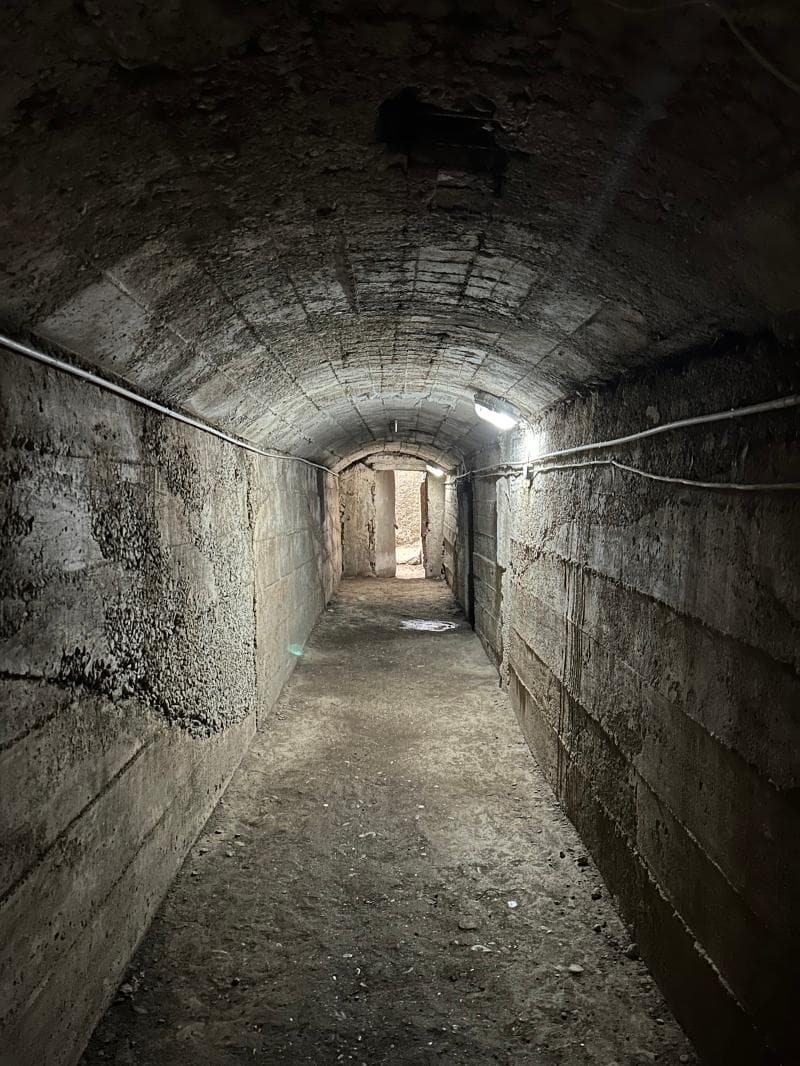
Explore the House of Leaves in Tirana, Albania, the chilling Museum of Secret Surveillance. Uncover the Sigurimi's communist-era espionage.
Overview
In the bustling heart of Tirana, Albania, stands a building shrouded in a chilling past, now transformed into the Museum of Secret Surveillance, famously known as the House of Leaves (Shtëpia me Gjethe). This unique institution offers a profound glimpse into one of the darkest chapters of Albania's 20th-century history. Dedicated to the innocent people who suffered under the communist regime, the museum serves as a poignant reminder of psychological violence and the state's pervasive control over its citizens.
The museum's evocative name, 'House of Leaves,' carries a double meaning. While literally referring to the dense foliage that once covered its facade, it also symbolizes the 'leaves' of countless files and documents compiled on individuals, akin to secrets hidden within a forest. Visiting this site is not merely a tour through a historical building; it's an immersive experience into the mechanics of a totalitarian state, revealing the tools and techniques used to monitor and suppress a nation.
History & Cultural Background
The building's history is as layered as its nickname suggests, reflecting Albania's tumultuous journey through the 20th century. Constructed in 1931, it initially served a benevolent purpose as the country's first private obstetrics clinic. However, its function dramatically shifted with the tides of war and political upheaval. During the German occupation in 1943, the Gestapo, the Nazi secret police, commandeered the villa for their operations.
Following World War II and the establishment of the communist regime in Albania, the building took on its most infamous role. From 1944 until the collapse of communism in 1991, it became the central headquarters of the Sigurimi, the dreaded Albanian secret police. This was the nerve center for electronic surveillance, postal interception, and the systematic monitoring of both Albanian citizens and foreigners. The Sigurimi's pervasive activities were aimed at crushing dissent and enforcing ideological conformity, making the House of Leaves a symbol of fear and oppression for nearly half a century. After decades of silence, the building was transformed into a museum, opening its doors to the public on May 23, 2017, to ensure that the stories of its past are never forgotten.
What Makes It Special
What sets the House of Leaves apart is its raw, authentic presentation of a grim historical reality. Unlike many museums that rely solely on exhibits, this institution utilizes the very spaces where surveillance and repression occurred. The museum retains much of its original infrastructure and equipment, allowing visitors to walk through the actual rooms where decisions were made, and lives were irrevocably altered.
It showcases an extensive collection of surveillance devices, from sophisticated wiretapping equipment to miniature cameras and listening devices, providing a tangible understanding of the Sigurimi's methods. Original documents, archival files, and chilling interrogation transcripts further underscore the regime's reach and ruthlessness. The museum also features reconstructed interrogation rooms and even a darkroom for processing photographic film, offering a stark visual narrative of the past. Its dedication to documenting and preserving the memory of the Sigurimi makes it a powerful, educational experience, providing context to a period often overlooked in broader European history.
Stories, Fun Facts & Local Details
The House of Leaves holds countless untold stories, each room echoing the psychological torment inflicted upon a nation. During the communist era, merely the mention of the building could instill a profound sense of dread in ordinary Albanians. It was a place where privacy evaporated, and suspicion was a constant companion. The museum consciously aims to evoke this atmosphere, prompting visitors to reflect on the fragility of freedom and the importance of human rights.
One poignant aspect is the dual interpretation of its name; beyond the physical leaves, it represents the metaphorical 'leaves' of files on thousands of citizens, each a testament to state-sponsored paranoia. Ironically, while photography is generally banned inside the museum to preserve the integrity of the exhibits, the very ban is enforced by CCTV cameras—a subtle, yet powerful, continuation of the surveillance theme. The museum was recognized internationally for its compelling narrative, receiving the prestigious Council of Europe Museum Prize in 2020. This accolade highlights its success in confronting a difficult past and presenting it in a way that fosters understanding and reflection.
Visitor Perspective
A visit to the House of Leaves is often described as a profoundly moving and thought-provoking experience. Many visitors liken it to the Stasi headquarters in former East Germany, emphasizing its global relevance in understanding totalitarian regimes. Walking through its 31 rooms, travelers can trace the chronological progression of surveillance tactics and the devastating impact they had on society.
The museum's central location in Tirana, across from the Orthodox Cathedral and near the National Bank, makes it easily accessible. It's recommended to allocate at least 90 minutes to fully absorb the exhibits, which are accompanied by clear Albanian and English labels, with audio guides available in multiple languages. The raw, unfiltered portrayal of history leaves a lasting impression, serving as a powerful reminder of the human cost of unchecked power and the enduring spirit of a nation that emerged from the shadows of oppression. It is a vital stop for anyone seeking to understand Albania's complex modern history beyond its beautiful landscapes.
Coordinates: 19.81647, 41.32667
View on Google Maps💬 How Travelers Describe This Place
Based on community votes
Photogenic
639Unique
421Interesting
366Must See
298Beautiful
212
Traveler Stories
Discover memorable experiences shared by travelers who have visited this place.
No traveler stories yet.
Be the first traveler to share what made this place memorable.
Things to see at House Of Leaves



Tour
By
Spot
Discover amazing places around the world. Your journey starts here.
Explore
© 2026 TourBySpot. All rights reserved.