Historical Documents
Tirana, Albania
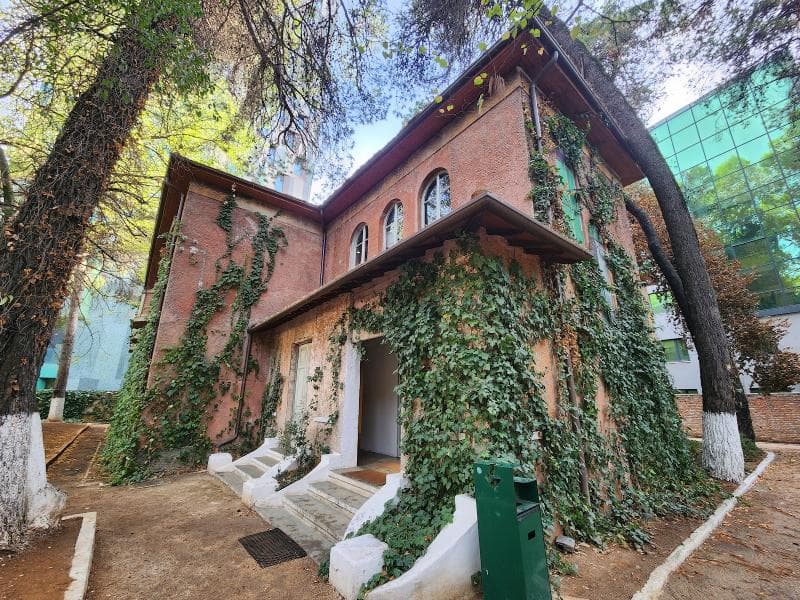
Explore the Historical Documents at the House of Leaves, Museum of Secret Surveillance in Tirana, Albania, revealing the chilling reality of communist-era surveillance.
Overview
Deep within Tirana, Albania's vibrant capital, lies the House of Leaves, officially known as the Museum of Secret Surveillance. This unique institution, nestled in a vine-covered villa, serves as a poignant reminder of Albania's totalitarian past. The 'Historical Documents' aspect of the museum is particularly compelling, offering visitors a stark, unfiltered look into the pervasive surveillance network that governed citizens' lives for nearly half a century. It's a place where the silenced whispers of history are brought to light through thousands of meticulously preserved files and records.
The museum's exhibits include a vast collection of original documents, ranging from detailed surveillance reports to wiretap transcripts, photographs, and archival files. These documents are not merely relics; they are the tangible evidence of a regime's absolute control, revealing the profound impact on individual freedoms and the collective psyche of a nation. Exploring these historical documents offers an unparalleled insight into the mechanisms of state security during the communist era.
History & Cultural Background
The building itself carries a layered history, predating its notorious role. Constructed in 1931, it initially served as Albania's first private obstetrics clinic. During World War II, under German occupation, it was briefly utilized by the Gestapo. However, its most infamous chapter began after the war, from 1944 to 1991, when it became the central headquarters for the Sigurimi, Albania's dreaded secret police.
During this period, Albania was one of the most isolated countries in the world under Enver Hoxha's communist regime. The Sigurimi meticulously monitored, investigated, and suppressed any perceived dissent. The historical documents within the House of Leaves bear witness to this extensive network of informants, wiretaps, and persecutions. The museum, opened on May 23, 2017, is dedicated to the 'innocent people who were spied on, arrested, prosecuted, convicted and executed during the communist regime,' ensuring their stories are never forgotten.
What Makes It Special
What sets the 'Historical Documents' section apart is its raw authenticity. Unlike many museums that rely on reproductions, the House of Leaves presents original surveillance files, records of political trials, and collaborator's reports. These aren't abstract concepts; they are the actual 'leaves'—referencing both the building's ivy-clad exterior and the countless pages of files—that contained the personal information of thousands.
Visitors can examine documents detailing how ordinary conversations, artistic expressions, or even casual meetings were deemed 'hostile activity' by the state. The museum showcases the chilling administrative process behind repression, from the initial suspicion to the detailed documentation of surveillance, interrogation, and often, imprisonment or execution. The sheer volume and detail of these records underscore the regime's ambition for total control over human bodies and souls.
Stories, Fun Facts & Local Details
The museum vividly illustrates how deeply surveillance penetrated everyday life. For instance, the files reveal instances where neighbors reported on neighbors, or how a simple complaint about the country's economic state could lead to severe punishment. One particularly poignant exhibit might showcase the meticulous wiretap transcripts of prominent figures, illustrating the invasion of even the most private moments.
A 'fun fact' here, though tinged with sadness, is the double meaning behind the museum's name. 'House of Leaves' refers both to the dense ivy covering its facade, which once helped conceal its sinister activities, and metaphorically, to the 'leaves' of books and files that contained the secrets and personal data of the Albanian people. Another striking detail is a room displaying the names of over 14,000 individuals imprisoned, tortured, or who died under the regime, emphasizing the human cost recorded within these documents.
Visitor Perspective
Walking through the rooms filled with historical documents at the House of Leaves is an intensely moving experience. The factual, almost clinical presentation of the exhibits, devoid of sensationalism, makes the impact even more profound. The silent presence of these documents—the typewritten reports, handwritten notes, and photographs—forces a deep reflection on human rights, the fragility of freedom, and the consequences of an unchecked authoritarian state.
The documents provide not just historical facts, but a visceral connection to the personal tragedies of those who lived under constant scrutiny. Visitors often leave with a powerful sense of empathy and a renewed appreciation for transparency and freedom. It's a journey that encourages reflection, serving as a vital educational tool for understanding a dark yet critical chapter of Albanian and European history.
Coordinates: 19.81633, 41.32647
View on Google Maps💬 How Travelers Describe This Place
Based on community votes
Must See
897Interesting
657Beautiful
498Unique
481Photogenic
299
Traveler Stories
Discover memorable experiences shared by travelers who have visited this place.
No traveler stories yet.
Be the first traveler to share what made this place memorable.

Tour
By
Spot
Discover amazing places around the world. Your journey starts here.
Explore
© 2026 TourBySpot. All rights reserved.