Spy Technology Collections
Tirana, Albania
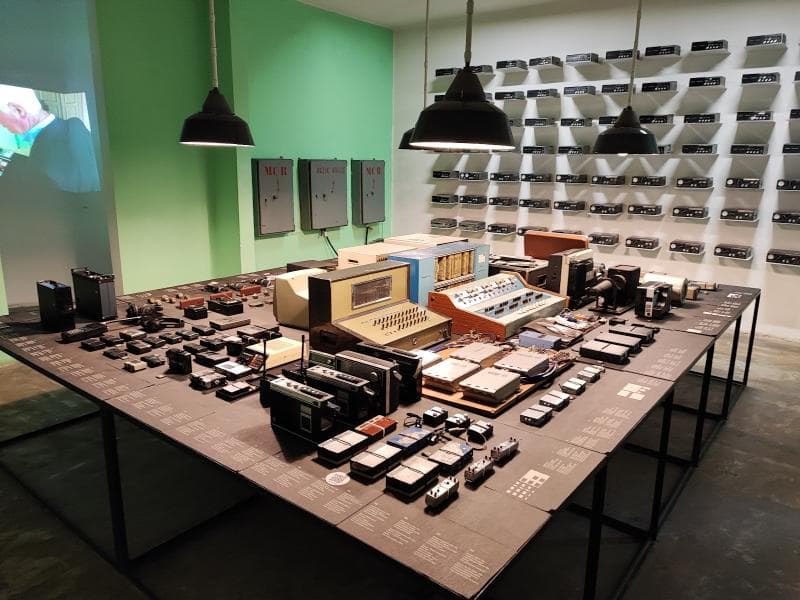
Explore Tirana's House of Leaves, the Museum of Secret Surveillance, and its chilling Spy Technology Collections from Albania's communist era.
Overview
In the vibrant heart of Tirana, Albania, stands a building shrouded in history and intrigue, officially known as the Museum of Secret Surveillance but more commonly referred to as the 'House of Leaves' (Shtëpia me Gjethe). This compelling museum offers a stark, immersive journey into Albania's communist past, particularly focusing on the extensive state surveillance conducted by the Sigurimi, the former secret police. Its evocative nickname, 'House of Leaves,' alludes not only to the creeping plants covering its facade but also to the countless secret files, likened to 'leaves,' that detailed the lives of ordinary Albanians. Dedicated to the innocent victims of the totalitarian regime, the museum meticulously preserves the very spaces and tools used to monitor, control, and oppress a nation for nearly half a century.
History & Cultural Background
The building's history is as complex and layered as the secrets it once held. Constructed in 1931, it initially served a humanitarian purpose as Albania's first private obstetrics clinic. However, its destiny took a dark turn during World War II when it was requisitioned by the German Gestapo in 1943 for intelligence operations. Following the war and the establishment of the communist regime in Albania, the building transformed into the principal headquarters for the Sigurimi's electronic surveillance activities from 1944 until the collapse of communism in 1991. It was here that a vast apparatus of interception, wiretapping, and espionage was orchestrated, extending into every facet of Albanian life. In 2017, this poignant site was finally reopened as a museum, offering the world a rare glimpse into the methods and impact of a ruthless surveillance state. Its profound significance was recognized with the European Museum of the Year Award in 2020 by the Council of Europe.
What Makes It Special
The true essence of the 'House of Leaves' lies in its extraordinary collection of spy technology and its remarkably preserved operational spaces. The museum's 31 rooms are filled with original surveillance equipment, documents, and interactive exhibits that reveal the chilling ingenuity of the Sigurimi. Visitors can explore rooms showcasing an array of microphones, hidden cameras, and numerous tape recorders, including East German Uher recording machines, used to tap phone lines and record private conversations. The collection vividly illustrates how everyday objects, from clothing to household items, were ingeniously bugged to listen in on citizens. The museum also features a darkroom for developing surveillance film and a laboratory for processing chemicals and fingerprints, offering a tangible connection to the meticulous and pervasive nature of the secret police's work. Beyond the gadgets, the museum displays transcripts of intercepted communications and archival files, underscoring the human cost of such widespread control.
Stories, Fun Facts & Local Details
The 'House of Leaves' is more than a display of historical artifacts; it is a repository of countless untold stories and a powerful symbol of a nation's struggle. The museum's name itself carries a dual symbolism – the physical ivy covering the building, making it inconspicuous, and the metaphorical 'leaves' representing the millions of meticulously cataloged files and intercepted conversations that once filled its rooms. The institution serves as a powerful reminder of a time when 'living microphones,' or human informants, were as crucial as technological devices in maintaining the regime's grip on power. The atmosphere within the museum is often described as quiet, methodical, and deeply unsettling, designed to evoke the constant fear and suspicion that permeated Albanian society. The chilling experience draws parallels to the Stasi headquarters in East Germany, highlighting a shared chapter of totalitarian surveillance in 20th-century Europe.
Visitor Perspective
A visit to the 'House of Leaves' is a profoundly moving experience, inviting introspection and reflection on human rights and freedom. Travelers often spend between one to two hours exploring its 31 rooms, each offering a unique perspective on the surveillance state. The museum is designed to be accessible, featuring ramps, an accessible entrance, and an elevator, ensuring a wide range of visitors can engage with this crucial historical narrative. While labels are available in Albanian and English, audio guides in French and Italian further enhance the visitor experience. As you walk through the recreated spaces, the oppressive atmosphere of constant observation is palpable, offering an educational and emotional journey into a period of extreme isolation and lack of freedom. It stands as a vital monument, ensuring that the dark lessons of its past are remembered and understood by present and future generations.
Coordinates: 19.81647, 41.32667
View on Google Maps💬 How Travelers Describe This Place
Based on community votes
Unique
539Photogenic
517Must See
424Interesting
251Beautiful
234
Traveler Stories
Discover memorable experiences shared by travelers who have visited this place.
No traveler stories yet.
Be the first traveler to share what made this place memorable.

Tour
By
Spot
Discover amazing places around the world. Your journey starts here.
Explore
© 2026 TourBySpot. All rights reserved.