Harpa Concert Hall
Reykjavik, Iceland
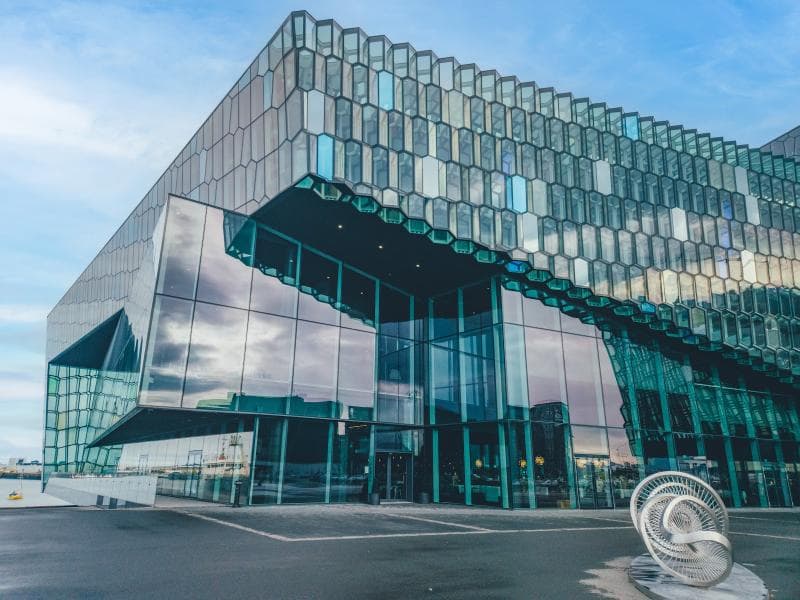
Discover Harpa Concert Hall in Reykjavik, Iceland – an architectural marvel and cultural hub known for its stunning glass facade and resilient history.
Overview
Perched gracefully on the waterfront of Reykjavik, Iceland, Harpa Concert Hall and Conference Centre stands as a striking testament to contemporary architecture and a vibrant hub for culture and music. This iconic glass building serves as a national concert hall, housing the esteemed Iceland Symphony Orchestra and the Icelandic Opera, while also functioning as a dynamic conference center. Its distinctive presence, reflecting the ever-changing Nordic skies and the surrounding Faxaflói Bay, has made it an unmissable landmark in the Icelandic capital.
Harpa is more than just a venue; it is a symbol of Iceland's resilience and a beacon for its thriving arts scene, drawing visitors from across the globe to experience its architectural grandeur and diverse cultural offerings.
History & Cultural Background
The vision for a purpose-built concert hall in Reykjavik had been a long-standing dream, dating back over a century. Construction of Harpa officially began in January 2007, envisioned as a key component of a larger redevelopment project for the Austurhöfn area, aimed at revitalizing the city's harbor. However, this ambitious project faced an unforeseen challenge with the onset of the 2008 global financial crisis, which severely impacted Iceland.
For a period, construction was halted, leaving the half-built concrete structure as a stark reminder of the economic downturn. Yet, demonstrating an unwavering commitment to culture and the arts, the Icelandic government and the City of Reykjavik made the pivotal decision in 2008 to fully fund the completion of Harpa. For several years, it stood as the sole major construction project in Iceland, becoming a powerful national symbol of hope, perseverance, and recovery from the crisis.
The building was officially named 'Harpa' on Icelandic Music Day in December 2009, a name chosen through a public competition that garnered over 4,000 proposals. The name 'Harpa' carries multiple meanings: it is the Icelandic word for the musical instrument 'harp' and also signifies the first month of spring in the old Nordic calendar, symbolizing the arrival of brighter times. Harpa officially opened its doors with its inaugural concert on May 4, 2011, and was formally inaugurated on May 13, 2011.
What Makes It Special
Harpa's most captivating feature is its mesmerizing glass facade, a collaborative masterpiece by Danish-Icelandic artist Ólafur Elíasson and Danish firm Henning Larsen Architects, in conjunction with Icelandic firm Batteríið Architects. This facade is inspired by Iceland's dramatic natural landscapes, particularly the country's iconic hexagonal basalt columns. It comprises 714 (or 711) individually shaped and colored glass panels, arranged in a modular 'quasi-brick' pattern, originally conceived by geometer Einar Thorsteinn.
This crystalline shell constantly transforms with the Nordic daylight, reflecting and refracting its surroundings—the sea, sky, and city—in a dazzling kaleidoscope of colors. At night, embedded LED lights illuminate the facade, creating a dynamic and ethereal light show visible across the city. Inside, Harpa boasts four main performance halls, each meticulously designed for exceptional acoustics by Artec Consultants, a renowned firm specializing in concert hall acoustics. The largest, Eldborg, meaning 'Fire Mountain', seats up to 1,800 guests and features adaptable acoustic systems to suit various performances.
Stories, Fun Facts & Local Details
Harpa's very existence is a story of national determination. Its construction continued despite the severe financial downturn, becoming a focal point for national pride and a tangible sign of the country's ability to overcome adversity. The building's connection to Iceland's natural environment is deeply ingrained, not just in its facade's inspiration from basalt but also in how it frames the views of the sea and mountains, integrating the external landscape with the internal experience.
The interplay of light and glass means Harpa never looks the same twice; its appearance shifts with the weather, the time of day, and the seasons, from the soft glow of the midnight sun to the vibrant dance of the aurora borealis. This dynamic quality makes it a living artwork that engages with its environment. Harpa has garnered international acclaim, receiving prestigious awards such as the Mies van der Rohe Award in 2013, recognizing its architectural excellence and cultural significance.
Visitor Perspective
Harpa is exceptionally welcoming to visitors, whether they are attending a world-class concert or simply exploring its architectural wonders. Entry to the public areas, including the expansive foyer, shops, and cafes, is free, allowing anyone to experience its unique atmosphere and design. Visitors can wander through the building, admiring its geometric patterns and the breathtaking views of the harbor and Mount Esja through the glass facade.
For those seeking a deeper understanding, guided tours are available, offering behind-the-scenes access to areas not typically open to the public, including insights into the design, acoustics, and history. Harpa also features restaurants offering Icelandic cuisine with scenic views, and gift shops showcasing local design and crafts. The building is fully accessible with ramps and elevators, ensuring that all guests can enjoy its offerings. It truly serves as a cultural nexus, inviting locals and travelers alike to connect with Iceland's artistic spirit in a visually stunning environment.
Coordinates: -21.9325, 64.15028
View on Google Maps💬 How Travelers Describe This Place
Based on community votes
Unique
794Interesting
562Photogenic
492Must See
466Beautiful
155
Traveler Stories
Discover memorable experiences shared by travelers who have visited this place.
No traveler stories yet.
Be the first traveler to share what made this place memorable.
Things to see at Harpa Concert Hall



Tour
By
Spot
Discover amazing places around the world. Your journey starts here.
Explore
© 2026 TourBySpot. All rights reserved.