Viewing Areas
Reykjavik, Iceland
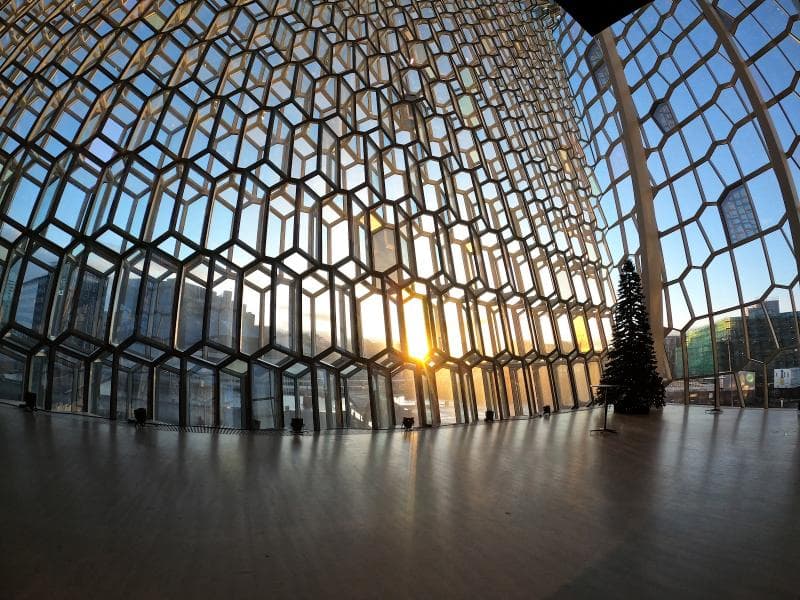
Discover Harpa Concert Hall's Viewing Areas in Reykjavik, Iceland. Marvel at its basalt-inspired glass facade and panoramic views of the harbor and Mount Esja.
Overview
The Viewing Areas within Harpa Concert Hall in Reykjavik, Iceland, offer visitors a captivating journey through light, architecture, and breathtaking Nordic scenery. Harpa, an architectural marvel situated on Reykjavik's vibrant waterfront, serves as both a premier concert hall and a dynamic conference center. While primarily a cultural hub, it is its accessible public spaces, particularly the glass-encased viewing areas, that draw curious travelers seeking unique perspectives of the city and its natural surroundings. From these vantage points, guests can immerse themselves in the building's striking design while enjoying panoramic vistas of the Old Harbour, Faxaflói Bay, and the majestic Mount Esja across the water.
History & Cultural Background
Harpa's story is one of resilience and cultural aspiration for Iceland. The dream of a dedicated concert hall in Reykjavik had been nurtured for over a century, with discussions dating back to 1881. Construction began in 2007, but the project faced significant challenges and was temporarily halted due to the 2008 financial crisis. However, the Icelandic government and the people made a bold decision to complete it, transforming what could have been a symbol of economic downturn into a beacon of national recovery and artistic ambition. Harpa officially opened in 2011, becoming a proud home for the Iceland Symphony Orchestra and the Icelandic Opera. The name 'Harpa' itself holds deep cultural meaning, referring to both the musical instrument and, in the old Nordic calendar, the first month of spring, symbolizing new beginnings and brighter times.
What Makes It Special
The true magic of Harpa's Viewing Areas lies within its extraordinary facade, a collaborative masterpiece by Danish firm Henning Larsen Architects and renowned Danish-Icelandic artist Ólafur Elíasson. Inspired by Iceland's dramatic volcanic landscapes and the geometric basalt columns found across the country, the facade is composed of thousands of irregularly shaped, multi-colored glass 'quasi-bricks'. Each panel is designed to reflect and refract light in unique ways, creating a dazzling, ever-changing display that mirrors the surrounding sea, sky, and urban environment. As daylight shifts, so does Harpa's appearance, transitioning from a sparkling crystal to a shimmering mirror. At night, embedded LED lights within the glass panels illuminate the building with vibrant colors and patterns, transforming it into a luminous sculpture that glows against the Reykjavik skyline. The spacious foyers and upper levels, acting as natural viewing galleries, allow visitors to fully appreciate this architectural marvel from within, offering different perspectives through the kaleidoscopic glass.
Stories, Fun Facts & Local Details
Harpa has quickly gained international acclaim for its innovative design and cultural impact. It was honored with the prestigious Mies van der Rohe Award for Contemporary Architecture in 2013, a testament to its groundbreaking aesthetics and functionality. Architectural Digest Magazine even recognized it as one of the top ten best-designed buildings in the world. A charming detail for music lovers is that Harpa's largest auditorium, Eldborg, is named after a prominent volcanic crater in Iceland, with 'Eldborg' translating to 'Fire Mountain', linking the building's musical heart to the nation's geological essence. Beyond its visual appeal, Harpa incorporates sustainable features, including geothermal heating and optimized natural light, reflecting Iceland's commitment to environmental consciousness. Moreover, access to Harpa's public viewing areas, lobbies, shops, and cafes is free, making it an accessible cultural experience for all.
Visitor Perspective
For visitors, the Viewing Areas inside Harpa Concert Hall provide a tranquil yet dynamic experience, a perfect blend of art, nature, and urban life. Walking through the open spaces, guests are encouraged to look out and connect with the dramatic Icelandic scenery. The interplay of light and reflection through the geometric glass creates unique photographic opportunities, making it a favorite spot for capturing the beauty of Reykjavik. Whether you spend a quiet moment observing fishing boats in the harbor, watching the clouds drift over Mount Esja, or simply marveling at the ever-changing colors of the glass as the day progresses, the experience is deeply immersive. Many suggest timing a visit for late afternoon or 'blue hour' to witness the facade's most striking reflections and illuminations. The accessible layout, with elevators and ample space, ensures that everyone can enjoy these stunning perspectives, making Harpa's viewing areas an unmissable highlight of any trip to Reykjavik.
Coordinates: -21.93286, 64.1504
View on Google Maps💬 How Travelers Describe This Place
Based on community votes
Beautiful
852Photogenic
645Interesting
244Must See
146Unique
80
Traveler Stories
Discover memorable experiences shared by travelers who have visited this place.
No traveler stories yet.
Be the first traveler to share what made this place memorable.

Tour
By
Spot
Discover amazing places around the world. Your journey starts here.
Explore
© 2026 TourBySpot. All rights reserved.