Art Installations
Reykjavik, Iceland
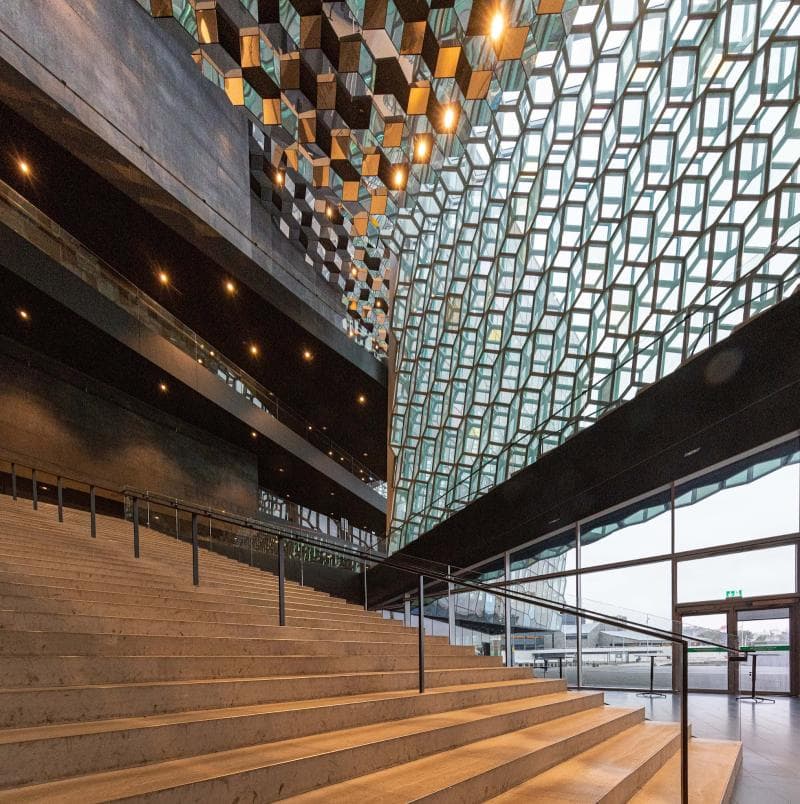
Explore Harpa Concert Hall's captivating art installations in Reykjavik, Iceland, including Ólafur Elíasson's iconic glass facade and the Himinglæva sound sculpture. Discover its unique blend of architecture, light, and Icelandic nature.
Overview
Stepping into Harpa Concert Hall and Conference Centre in Reykjavik, Iceland, is akin to entering a magnificent art installation itself. While Harpa is celebrated for its world-class acoustics and vibrant cultural life, its true artistic heart lies within its breathtaking architecture and the integrated art installations that define its identity. The most prominent of these is the iconic glass facade, a collaborative masterpiece that transforms with Iceland's dynamic light. Beyond this shimmering exterior, subtle yet profound artistic elements, such as the 'Himinglæva' sound sculpture, enrich the visitor's experience, weaving a narrative of Icelandic nature and culture throughout the building. These installations are not merely decorative; they are integral to Harpa's soul, offering a sensory journey that connects visitors to the very essence of the Icelandic landscape and its artistic spirit.
History & Cultural Background
Harpa's journey began with a vision to create a cultural landmark that would resonate with Iceland's unique geological formations. The building's design was a collaboration between the Danish firm Henning Larsen Architects, Icelandic firm Batteríið Architects, and the internationally acclaimed Danish-Icelandic artist Ólafur Elíasson. Elíasson, known for his large-scale installations that often incorporate light, water, and air, was the creative force behind the building's distinctive glass facade. His inspiration was drawn directly from Iceland's dramatic basalt columns – hexagonal rock formations found across the country, as well as the ethereal dance of the Northern Lights. Construction commenced in 2007 but faced significant challenges due to the 2008 financial crisis in Iceland. Despite the economic downturn, the Icelandic government's commitment to culture ensured its completion in 2011, transforming Harpa into a powerful symbol of national resilience and optimism. The name 'Harpa' itself, meaning 'harp' in Icelandic, also signifies the beginning of spring in the old Nordic calendar, reflecting hope and new beginnings.
What Makes It Special
What truly sets Harpa's art installations apart is their profound integration with the building's architecture and the natural environment. The glass facade, Elíasson's signature contribution, is composed of thousands of uniquely shaped 'quasi-bricks' – a modular, twelve-sided polyhedron design originally developed by mathematician Einar Thorsteinn. These glass bricks, some of which feature color-effect filter glass, react dramatically to the external light. During the day, they create a kaleidoscopic effect, reflecting the ocean, the sky, and the majestic Esjan mountain range, allowing natural light to flood the interior spaces. At night, embedded LED lights illuminate each quasi-brick, transforming the facade into a dynamic, ever-changing light show reminiscent of the aurora borealis. This intricate design ensures that the building is never static; its appearance shifts constantly with the weather, time of day, and the viewer's movement, blurring the lines between art, architecture, and nature. The play of light and reflection creates an immersive experience that is both visually stunning and deeply connected to the Icelandic landscape.
Stories, Fun Facts & Local Details
The design of Harpa's facade is not just a visual spectacle; it is a narrative deeply rooted in Icelandic geology and cultural pride. The 'quasi-bricks' directly reference the country's iconic basalt columns, bringing a piece of Iceland's raw, volcanic landscape into the urban fabric of Reykjavik. Ólafur Elíasson himself expressed his pride in creating a surface that would 'reflect and become part of the Icelandic environment,' envisioning Harpa as a beacon for the country's future. A less visible but equally fascinating art installation is 'Himinglæva' by Icelandic artist Elín Hansdóttir. This stainless-steel sound sculpture, gifted to Harpa on its 10th anniversary, is an Aeolian harp designed to produce sonic overtones as the wind passes through it. The artwork's name, 'Himinglæva,' refers to a mythical figure in Norse mythology associated with the sea and waves, metaphorically attuning visitors to the natural forces around them through sound. These artistic elements speak to Iceland's profound connection to its natural surroundings and its innovative spirit in blending art with functionality.
Visitor Perspective
Experiencing the art installations at Harpa is an accessible and enriching part of any visit to Reykjavik. The most immediate impact comes from simply walking around the exterior and through the expansive foyer. The ever-changing reflections and colors of the glass facade offer a different visual experience with each visit, whether under the bright midday sun, during a dramatic Icelandic sunset, or illuminated at night. Many visitors find themselves captivated by the interplay of light and shadow, and the way the building seems to breathe with the surrounding environment. Guided tours of Harpa are available daily, providing deeper insights into the architecture, the artistic vision behind the facade, and often granting access to areas not typically open to the public. These tours often explain how the Icelandic landscape and the Northern Lights inspired the design, enhancing the appreciation for the building's artistic complexity. The interior public spaces are designed to encourage interaction and contemplation, allowing guests to pause and absorb the artistic atmosphere that permeates Harpa, making it a cultural hub where art and daily life seamlessly intertwine.
Coordinates: -21.9329, 64.1465
View on Google Maps💬 How Travelers Describe This Place
Based on community votes
Interesting
848Unique
830Photogenic
797Beautiful
410Must See
136
Traveler Stories
Discover memorable experiences shared by travelers who have visited this place.
No traveler stories yet.
Be the first traveler to share what made this place memorable.

Tour
By
Spot
Discover amazing places around the world. Your journey starts here.
Explore
© 2026 TourBySpot. All rights reserved.