Grand Place
Brussels, Belgium
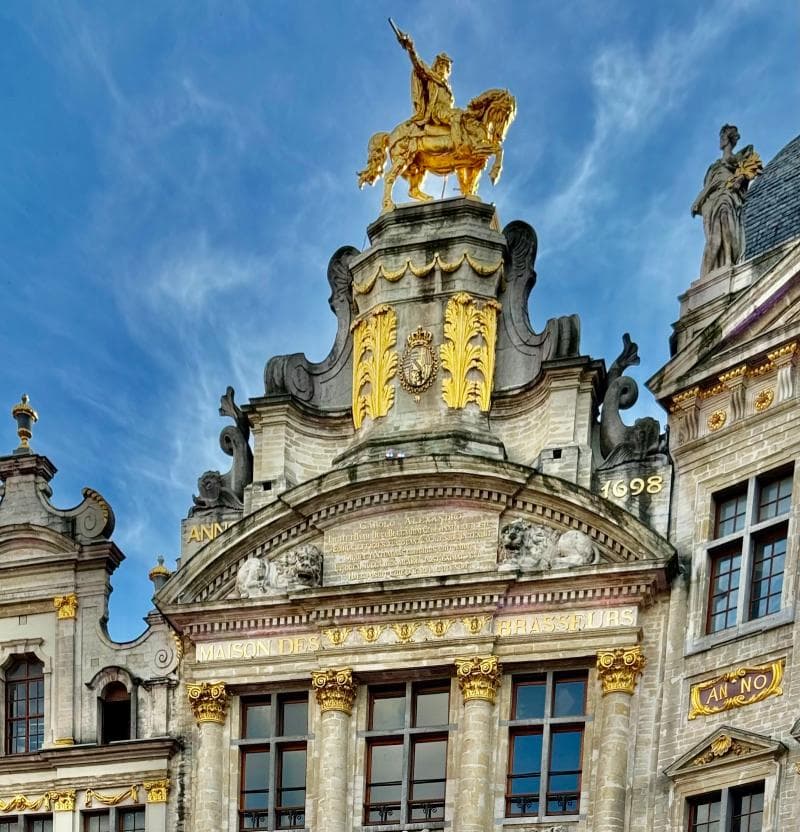
Discover the Grand Place in Brussels, Belgium – a UNESCO World Heritage site renowned for its stunning Gothic and Baroque architecture.
Overview
The Grand Place, known as Grote Markt in Dutch, is the vibrant, historical, and geographical heart of Brussels, Belgium. This iconic central square is renowned globally for its exceptional architectural ensemble, making it one of the world's most beautiful squares. Measuring approximately 68 by 110 meters, its cobblestoned expanse is surrounded by opulent Baroque guildhalls, the majestic Gothic Town Hall, and the neo-Gothic King's House, which now houses the Brussels City Museum. Its universal value was recognized when it was inscribed as a UNESCO World Heritage Site in 1998, acknowledging its outstanding blend of architectural styles and its historical significance as a symbol of Brussels' mercantile success.
History & Cultural Background
The origins of the Grand Place trace back to the 11th century when it was first mentioned as the 'Nedermarckt' or 'lower market,' located on a dried-up swamp near the Senne river. This market quickly evolved into the city's commercial and political hub. The construction of the Brussels Town Hall, a masterpiece of Brabantine Gothic architecture, began in 1401 and was largely completed by 1455, establishing the square as the seat of municipal power.
The square's appearance was dramatically altered during the Nine Years' War. In August 1695, Brussels suffered a devastating bombardment by French troops under Marshal de Villeroy. Most of the buildings surrounding the Grand Place were destroyed, with only the facade and tower of the Town Hall and some stone walls resisting the incendiary cannonballs. Remarkably, the citizens and guilds of Brussels undertook a rapid and ambitious reconstruction project. Within just a few years, the square's buildings were rebuilt in stone, often grander and more elaborate than before, following strict architectural guidelines set by the city magistrate. This swift and coherent rebuilding effort resulted in the harmonious Baroque facade that largely defines the Grand Place today, reflecting the pride and prosperity of Brussels' bourgeois society.
Throughout its history, the Grand Place has been a stage for numerous significant events, both festive and tragic. It witnessed the burning of the first Protestant martyrs in 1523 by the Inquisition and the beheadings of the Counts of Egmont and Horn in 1568, underscoring its role in pivotal moments of European history.
What Makes It Special
What truly sets the Grand Place apart is its extraordinary architectural unity and aesthetic richness, particularly considering its tumultuous history. The square presents a unique synthesis of different styles, predominantly the Flamboyant Gothic of the Town Hall and the opulent Baroque of the guildhalls, along with the neo-Gothic King's House.
- The Town Hall (Hôtel de Ville): Dominating the square, its Gothic spire rises 96 meters high, topped by a 2.7-meter-tall gilded statue of Saint Michael slaying a demon, the patron saint of Brussels. Its facade is adorned with countless sculptures of local nobility, saints, and allegorical figures.
- The King's House (Maison du Roi / Broodhuis): This elegant neo-Gothic building, situated opposite the Town Hall, despite its name, never housed a king. It was originally built to house ducal administrative services and was known as the 'Bread House' due to the market it replaced. Today, it hosts the Brussels City Museum.
- The Guildhalls: These magnificent buildings, each a work of art, line the other sides of the square. Rebuilt after 1695, they showcase rich sculptural decoration, pilasters, balustrades, and lavishly designed gables, embodying the wealth and influence of Brussels' powerful guilds, such as the Brewers' Guild, which now houses a museum.
The collective impact of these structures creates an almost theatrical space, designed to impress and reflect the city's power and prosperity.
Stories, Fun Facts & Local Details
The Grand Place is alive with local traditions and captivating tales. One of its most famous biennial events is the 'Flower Carpet' (Tapis de Fleurs), where, in August of even-numbered years, the entire square is covered with an immense, intricate design made from over half a million begonias, creating a breathtaking floral mosaic.
Another significant cultural event is the Ommegang, a historical procession that commemorates the tribute created in 1549 during the arrival of Emperor Charles V in Brussels. This vibrant spectacle brings medieval history to life with colorful costumes, floats, and music.
Visitors often seek out the statue of Everard t'Serclaes, located near the Town Hall. Legend has it that rubbing the arm of this statue, which marks the spot where the rebellious Brussels native died, brings good luck and ensures a return trip to Brussels. The famous French writer Victor Hugo, who lived in exile in Brussels, was so enchanted by the square that he declared it 'the most beautiful square in the world.'
Visitor Perspective
Experiencing the Grand Place is a must for any traveler to Brussels. Day or night, the square offers a different but equally mesmerizing atmosphere. During the day, the intricate details of the architecture, from the gilded facades to the statues and carvings, can be admired up close. The Brussels City Museum in the King's House provides deeper insights into the city's history, while the Brewers Museum offers a taste of Belgium's brewing heritage.
As evening falls, the buildings are expertly illuminated, transforming the square into an extraordinarily romantic and dramatic setting. It's a place for quiet contemplation, people-watching, or simply soaking in centuries of history and architectural grandeur. The Grand Place is easily accessible from Brussels Central Station and serves as an excellent starting point for exploring other nearby attractions like Manneken Pis. Whether it's for historical appreciation, cultural immersion, or simply to marvel at its beauty, the Grand Place promises an unforgettable experience.
Coordinates: 4.3525, 50.8467
View on Google Maps💬 How Travelers Describe This Place
Based on community votes
Photogenic
1.0kUnique
869Must See
416Interesting
309Beautiful
33
Traveler Stories
Discover memorable experiences shared by travelers who have visited this place.
No traveler stories yet.
Be the first traveler to share what made this place memorable.
Things to see at Grand Place



Tour
By
Spot
Discover amazing places around the world. Your journey starts here.
Explore
© 2026 TourBySpot. All rights reserved.