Maison Du Roi
Brussels, Belgium
Explore Maison du Roi, also known as Broodhuis, in Brussels' Grand Place. Discover the Museum of the City of Brussels and its fascinating history.
Overview
Nestled within the magnificent Grand Place of Brussels, Belgium, stands a striking architectural gem known as the Maison du Roi. Despite its regal French name, meaning 'King's House,' no monarch ever resided within its walls. In stark contrast, its Dutch name, Broodhuis or 'Bread House,' offers a more accurate glimpse into its humble 13th-century origins as a bustling bread market. Today, this imposing neo-Gothic structure houses the Museum of the City of Brussels, serving as a rich repository of the city's vibrant history and cultural heritage.
Standing directly opposite the majestic Town Hall, the Maison du Roi commands attention with its intricate facade, which has evolved through centuries of rebuilding and restoration. It is a central element of the Grand Place, a UNESCO World Heritage site, reflecting Brussels' enduring spirit and architectural prowess. Visitors to this iconic building embark on a fascinating journey through time, exploring everything from medieval city models to the extraordinary wardrobe of Brussels' most famous little resident, Manneken Pis.
History & Cultural Background
The story of the Maison du Roi begins in the early 13th century, when a simple wooden hall known as the Broodhuis served as the city's bread market, a vital hub for daily life. Over time, this functional structure was replaced by a stone building around 1405. As Brussels flourished, the building transitioned from a mere marketplace to an administrative center. It became known as the 'Duke's House' under the Dukes of Brabant. The name 'King's House' emerged in the early 16th century when Charles V, who was the Duke of Brabant, was crowned King of Spain, elevating the building's perceived status, even though it never functioned as a royal residence.
Tragedy struck in 1695 during the bombardment of Brussels by French troops under Louis XIV, which devastated much of the Grand Place, leaving the Maison du Roi severely damaged. Though crudely restored shortly after, and again in 1767, the building's condition deteriorated significantly by the 19th century. Between 1873 and 1895, architect Victor Jamaer undertook a grand reconstruction, transforming it into the flamboyant neo-Gothic masterpiece we admire today. This meticulous rebuilding effort not only paid homage to its historical grandeur but also ensured its structural integrity for centuries to come.
What Makes It Special
The Maison du Roi is special not only for its breathtaking neo-Gothic architecture but also for its profound connection to Brussels' identity. It stands as a testament to the city's resilience, having risen from the ashes of bombardment to become a symbol of civic pride. The building's dual identity, reflected in its French and Dutch names, captures the linguistic and cultural tapestry of Brussels itself.
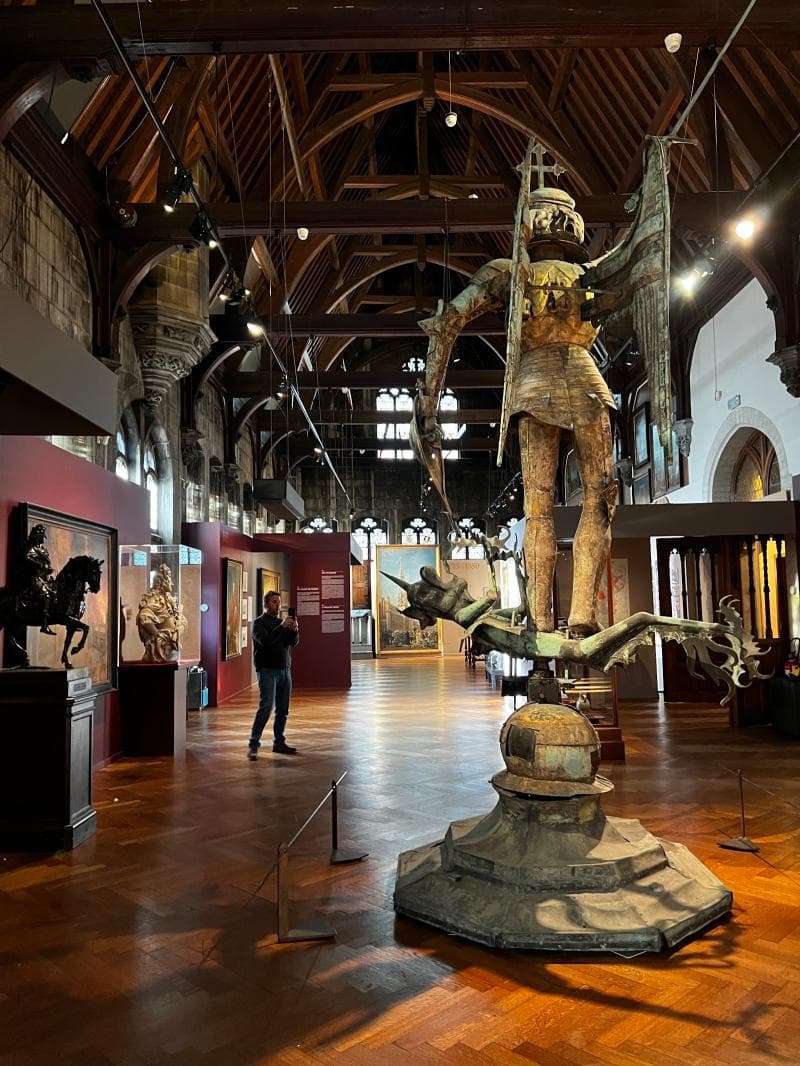
Inside, the Museum of the City of Brussels offers an unparalleled journey through the urban evolution of the capital. With a collection of over 7,000 items, including intricate tapestries, historical paintings, and detailed scale models, the museum provides a comprehensive narrative of Brussels' past and present. Perhaps its most charming and universally beloved exhibit is the extensive collection of costumes for Manneken Pis.
Stories, Fun Facts & Local Details
One of the most amusing paradoxes of the Maison du Roi is its very name. Locals often point out with a chuckle that despite being called the 'King's House,' no king ever actually lived there. The name simply reflects the ownership by a sovereign Duke of Brabant who also held a royal title elsewhere. This distinction between its grand French title and its practical Dutch name (Broodhuis) perfectly encapsulates Brussels' pragmatic yet proud character.
The museum is home to the original Manneken Pis statue, with the famous peeing boy visible outside being a replica. On the second floor, visitors can marvel at the impressive collection of over 600 outfits gifted to Manneken Pis by world leaders, organizations, and countries across the globe. This quirky tradition highlights a unique aspect of Brussels' folklore and its playful spirit, turning a simple fountain into an international cultural ambassador.
Visitor Perspective
For any traveler exploring the Grand Place, the Maison du Roi is an unmissable landmark. Its facade, with its numerous historical statues and ornate details, invites admiration from every angle. It provides a striking visual counterpoint to the more flamboyant Town Hall across the square, forming an integral part of the square's harmonious beauty.
Stepping inside the Museum of the City of Brussels offers a deeper understanding of the city beyond its stunning architecture. The meticulously curated exhibits and models transport you through Brussels' medieval foundations to its modern-day vibrancy. Exploring the detailed historical narratives and, of course, witnessing the whimsical Manneken Pis wardrobe, provides a delightful and enriching experience that connects visitors to the heart and soul of this European capital. The building's status as a UNESCO World Heritage site underscores its global importance and makes it a profound cultural destination.
Coordinates: 4.35278, 50.84694
View on Google Maps💬 How Travelers Describe This Place
Based on community votes
Unique
995Photogenic
839Beautiful
603Must See
581Interesting
388
Traveler Stories
Discover memorable experiences shared by travelers who have visited this place.
No traveler stories yet.
Be the first traveler to share what made this place memorable.

Tour
By
Spot
Discover amazing places around the world. Your journey starts here.
Explore
© 2026 TourBySpot. All rights reserved.