Cobblestone Plaza
Brussels, Belgium
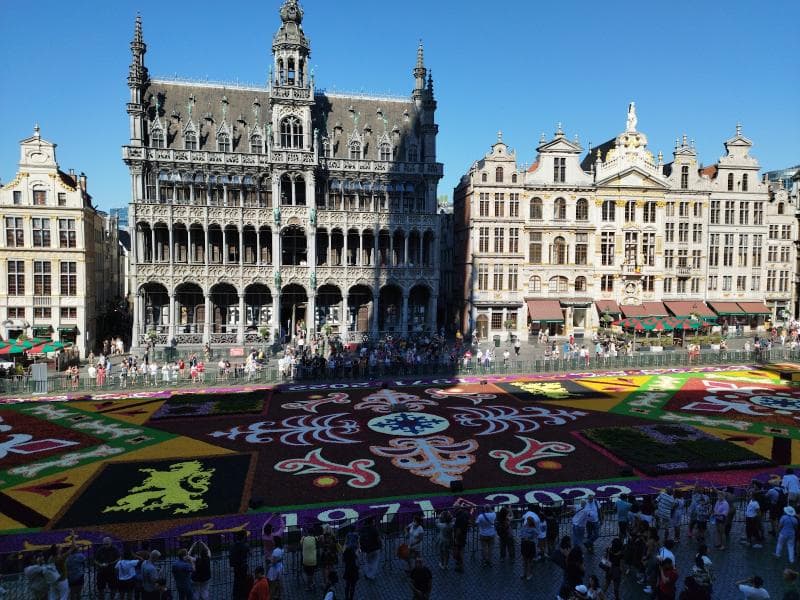
Discover the Grand Place in Brussels, Belgium – a UNESCO World Heritage site known for its stunning cobbled square, guildhalls, and rich history.
Overview
The Grand Place, or Grote Markt in Dutch, stands as the central and historic heart of Brussels, Belgium. This iconic square, measuring approximately 68 by 110 meters, is a masterpiece of urban architecture and a UNESCO World Heritage Site since 1998. It is renowned globally for its exceptional aesthetic appeal, framed by opulent Baroque guildhalls, the soaring Gothic Town Hall, and the neo-Gothic King's House (Maison du Roi/Broodhuis), which now houses the Brussels City Museum.
The entire expanse of the Grand Place is a carefully laid cobbled surface, forming a historical stage for centuries of Brussels' vibrant life. Visitors are greeted by a breathtaking panorama of ornate facades, richly decorated with sculptures, ornaments, and gilding, creating a harmonious architectural ensemble that leaves a lasting impression.
History & Cultural Background
The Grand Place's origins trace back to the 11th century, when it served as a 'Nedermerkt' or 'Lower Market,' an open-air marketplace on a drained marshy area. Over the centuries, it evolved into the city's commercial and political hub, with the construction of the Town Hall between 1401 and 1455 solidifying its importance as the seat of municipal power.
A pivotal moment in its history occurred in August 1695. During the Nine Years' War, French troops bombarded Brussels, destroying nearly all the wooden buildings surrounding the Grand Place. Miraculously, the Town Hall's facade and tower largely survived. The rapid and meticulous reconstruction that followed, spearheaded by Brussels' guilds, transformed the square into the Baroque masterpiece visible today. Guilds rebuilt their headquarters in stone, adhering to strict architectural guidelines imposed by the City Magistrate, ensuring a coherent and magnificent aesthetic. This rebuilding effort was a testament to the city's resilience and civic pride.
What Makes It Special
What truly sets the Grand Place apart is its unparalleled architectural unity and the quality of its stone craftsmanship. The square is an exceptional example of an architectural and urban ensemble, where individual buildings coalesce to form a 'coherent, monumental room' in the city.
The hard grey cobblestones covering the Grand Place are made from Belgian granite, quarried in Wallonia, contributing to the square's historic character and durability. These stones have withstood centuries of footfall, weather, and numerous events, embodying the city's enduring spirit. Beyond its visual grandeur, the Grand Place is a living testament to the social and cultural life of Brussels from the Middle Ages onwards, reflecting the city's economic prosperity and the artistic prowess of its guilds.
Stories, Fun Facts & Local Details
The Grand Place is steeped in stories and local lore. The renowned French writer Victor Hugo, during his exile in Brussels, declared it 'the most beautiful square in the world,' a sentiment echoed by countless visitors since.
The cobbled surface has witnessed numerous historical events, from the public executions of Protestant martyrs in the 16th century to festive celebrations that continue to this day. Every two years in August (even years), the square is transformed by an immense 'Flower Carpet,' created from hundreds of thousands of begonias, turning the utilitarian cobblestones into a vibrant, ephemeral work of art. During the Christmas and New Year period, a grand Christmas tree adorns the square, adding to its festive atmosphere.
For those seeking a touch of luck, rubbing the statue of Everard t'Serclaes, located in the square, is said to grant wishes and ensure a return to Brussels.
Visitor Perspective
As a visitor, stepping onto the cobbled expanse of the Grand Place is an immersive experience. It's a place to pause, look up at the intricate facades of the guildhalls, and imagine the centuries of history that have unfolded here. The square is pedestrianized, offering a serene environment despite its popularity. It is accessible 24 hours a day, allowing for different perspectives throughout the day and night, when the buildings are expertly illuminated.
Whether you're exploring the architectural details, enjoying a meal at one of the surrounding cafes, or simply sitting on the cobblestones to absorb the atmosphere, the Grand Place offers a unique window into Brussels' past and present. It serves as a natural starting point for further exploration of the city, with the City Museum and Town Hall offering deeper insights into its heritage.
Coordinates: 4.3525, 50.8467
View on Google Maps💬 How Travelers Describe This Place
Based on community votes
Photogenic
869Beautiful
445Unique
416Must See
141Interesting
33
Traveler Stories
Discover memorable experiences shared by travelers who have visited this place.
No traveler stories yet.
Be the first traveler to share what made this place memorable.

Tour
By
Spot
Discover amazing places around the world. Your journey starts here.
Explore
© 2026 TourBySpot. All rights reserved.