Grand Bazaar
Istanbul, Turkey
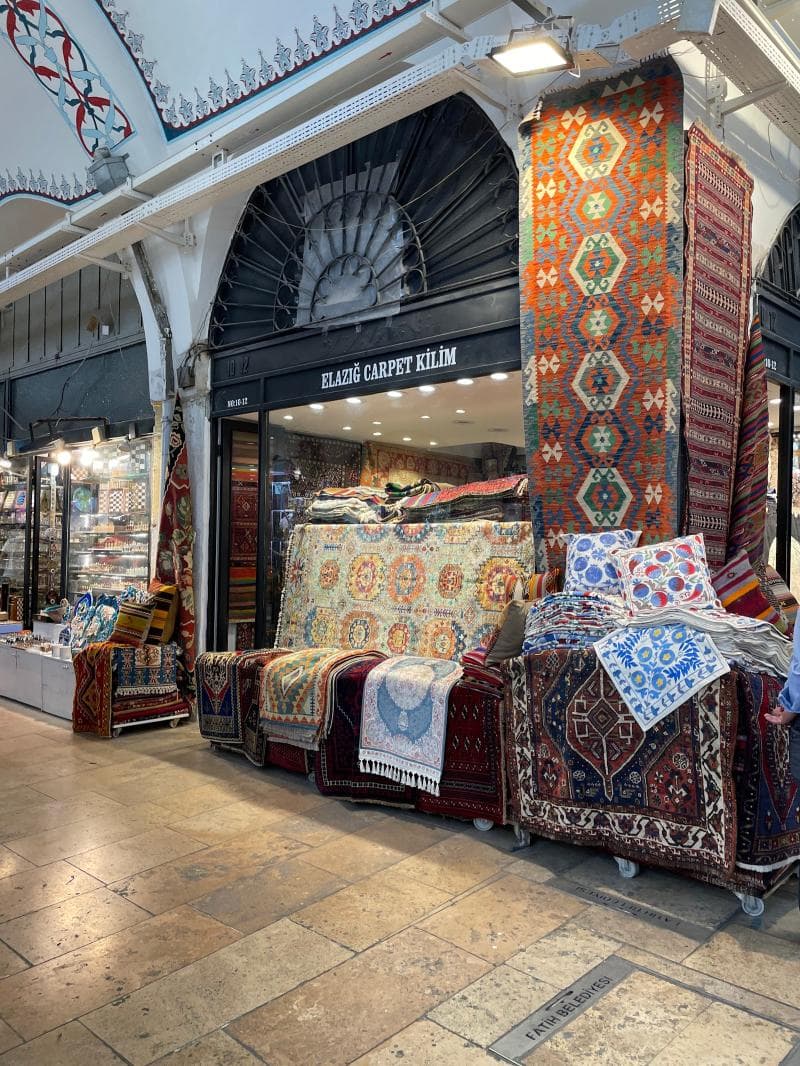
Explore Istanbul's Grand Bazaar, one of the world's oldest and largest covered markets. Discover its rich history, unique crafts, and vibrant atmosphere in Turkey.
Overview
The Grand Bazaar, known locally as Kapalıçarşı (meaning 'Covered Bazaar'), stands as one of the largest and oldest covered markets in the world, an iconic symbol nestled in the heart of Istanbul, Turkey. This sprawling marketplace is more than just a place to shop; it is a vibrant labyrinth of history, culture, and commerce, often referred to as a 'city within a city'. Comprising approximately 60 to 61 covered streets and housing between 3,000 and 4,000 shops, it attracts a staggering 250,000 to 400,000 visitors daily. Its sheer scale and enduring appeal have made it a global landmark, even ranking as the world's most-visited tourist attraction in 2014.
Located strategically in Istanbul's historic Fatih district, between the Beyazıt, Nuruosmaniye, and Mercan neighborhoods, the Grand Bazaar continues to be a bustling hub where traditional craftsmanship meets the pulse of modern-day Istanbul. Visitors step into a sensory explosion, where the blended aromas of spices and Turkish tea intertwine with the dazzling sight of carpets, ceramics, gold, and leather goods.
History & Cultural Background
The origins of the Grand Bazaar trace back to the mid-15th century, commissioned by Sultan Mehmed II, famously known as Mehmed the Conqueror, shortly after the Ottoman conquest of Constantinople in 1453. Construction began in 1455, with the primary goal of stimulating economic prosperity in the newly acquired capital and generating revenue for the maintenance of the Hagia Sophia.
The market's initial core consisted of two bedestens – robust, vaulted stone structures designed for the secure trade of valuable goods. The first was the Cevahir Bedesten (also known as İç Bedesten or Old Bedesten), followed by the Sandal Bedesten. Over the subsequent centuries, the bazaar expanded organically, as merchants built adjacent hans (caravanserais) and covered the interconnecting streets, gradually forming the sprawling, labyrinthine complex seen today. This continuous growth and evolution reflect Istanbul's own story of transformation, wealth, and resilience.
Historically, the Grand Bazaar served as a crucial financial and banking center during the Ottoman Empire, and a pivotal hub for Mediterranean trade, effectively bridging communication and commerce between Asia and Europe. It endured numerous fires and devastating earthquakes throughout its long history, but each time, it rose from its ashes, meticulously rebuilt and restored, preserving its authentic spirit and architectural grandeur.
What Makes It Special
What truly sets the Grand Bazaar apart is its remarkable fusion of historical depth, architectural marvel, and vibrant commercial activity. It is not merely a market but a living testament to Ottoman culture and the enduring spirit of Turkish hospitality. The labyrinthine layout, with its thousands of shops neatly organized into specialized sections, offers an unparalleled experience. Here, one can find entire streets dedicated to specific trades, from dazzling gold and intricate jewelry to hand-woven carpets and kilims, exquisite ceramics, and fine leather goods.
The two original bedestens, Cevahir and Sandal, remain central to its allure, serving as historical anchors within the bustling complex. The Grand Bazaar's historical significance is particularly profound in the evolution of gold and jewelry craftsmanship, a legacy that continues to thrive within its walls. It embodies centuries of global trade, reflecting Istanbul's role as a meeting point for diverse cultures and traditions.
Stories, Fun Facts & Local Details
Stepping into the Grand Bazaar is akin to stepping back in time, where echoes of ancient trade customs still resonate. It is often cited as one of the world's first shopping malls, a testament to its early innovation and comprehensive commercial structure. A fascinating local detail is how many streets within the bazaar are still named after the specific wares once sold there, such as the 'Helmet Makers' or 'Quilt Makers' streets.
Bargaining is not just a transaction here; it is a cherished cultural dance, an integral part of the Grand Bazaar experience. Shopkeepers engage politely, offering tea as part of the negotiation, making the interaction as rewarding as the eventual purchase. The open-front design of many shops blurs the boundary between the merchant and the passerby, fostering a unique sense of engagement. Historically, the bazaar was a self-sufficient entity, housing not only shops but also hammams (bathhouses), inns for travelers, mosques, and fountains. Even today, an inscription above the Beyazıt Gate, bearing Sultan Abdülhamit II's imperial sign, declares, 'God loves the merchants,' encapsulating the market's deep-rooted commercial ethos. Its cinematic charm has not gone unnoticed, featuring in Hollywood productions like 'Argo' and 'Golden Fist in Istanbul'.
Visitor Perspective
For any curious traveler, a visit to Istanbul's Grand Bazaar is an essential and unforgettable experience. It promises a captivating journey through a maze of vibrant culture and commerce, offering more than just shopping opportunities. The key to a fulfilling visit lies in embracing the atmosphere and allowing oneself to wander without a strict agenda, soaking in the sights, sounds, and scents. While the sheer volume of goods and the lively sales pitches can feel overwhelming at first, engaging with the friendly shopkeepers and participating in the art of polite negotiation can be a highlight of the trip.
Planning your entrance can enhance your experience, as different gates often lead into areas specializing in particular goods. Remember that the Grand Bazaar is closed on Sundays and public holidays, so plan your visit accordingly. Many seasoned travelers recommend arriving with some extra space in your luggage, as it's almost impossible to leave this treasure trove without a unique souvenir or a piece of Turkish artistry.
Coordinates: 28.9679333, 41.0105806
View on Google Maps💬 How Travelers Describe This Place
Based on community votes
Beautiful
747Must See
399Unique
302Photogenic
172Interesting
79
Traveler Stories
Discover memorable experiences shared by travelers who have visited this place.
No traveler stories yet.
Be the first traveler to share what made this place memorable.
Things to see at Grand Bazaar



Tour
By
Spot
Discover amazing places around the world. Your journey starts here.
Explore
© 2026 TourBySpot. All rights reserved.