Sandal Bedesten
Istanbul, Turkey
Explore Sandal Bedesten, a historic core of Istanbul's Grand Bazaar. Discover its ancient architecture, rich history in textile trade, and unique cultural significance in Turkey.
Overview
Tucked away within the sprawling maze of Istanbul's Grand Bazaar, a monumental structure known as Sandal Bedesten stands as a testament to centuries of bustling trade and architectural ingenuity. Often referred to as the 'New Bedesten' or 'Small Bedesten', it is one of the original, robust covered market buildings that formed the very foundation of what would become one of the world's largest and oldest covered markets.
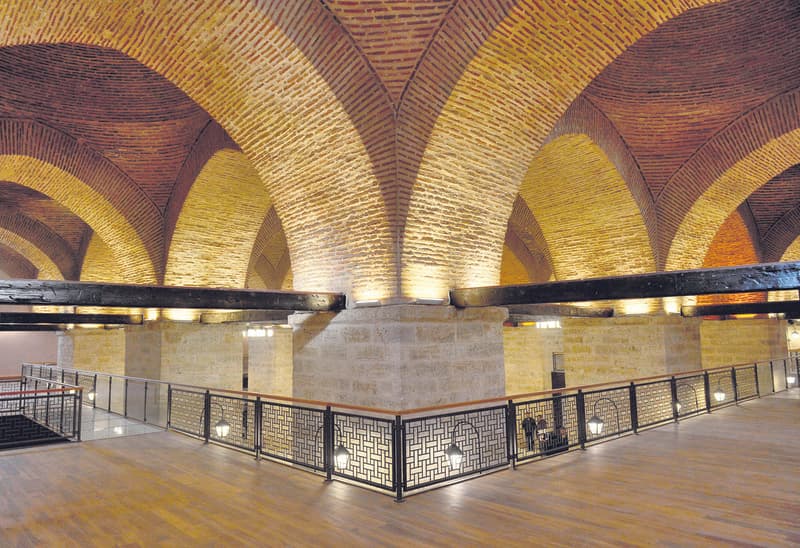
A rectangular, domed edifice, Sandal Bedesten is distinctive for its sturdy construction. It features twelve substantial pillars centrally placed, supporting an impressive canopy of twenty brick domes, meticulously arranged in four rows. This formidable design was not merely for aesthetic appeal; it served the crucial purpose of safeguarding the highly valuable goods traded within its walls.
While the surrounding Grand Bazaar pulses with vibrant energy and countless visitors, Sandal Bedesten often offers a quieter, more contemplative experience. This relative tranquility allows a unique opportunity to appreciate its intricate architectural details, from the elegant brickwork of its domes to its arched galleries. Its historical function, particularly as a hub for the textile trade, casts a long shadow, inviting modern-day explorers to connect with Istanbul's rich mercantile past.
History & Cultural Background
The story of Sandal Bedesten is deeply intertwined with the rise of Ottoman Istanbul. Following Sultan Mehmed II's conquest of Constantinople in 1453, a concerted effort was made to stimulate economic prosperity in the new capital. This vision led to the construction of core market structures known as 'bedestens'. The Grand Bazaar, or Kapalıçarşı, began to take shape with the building of two such fortified market halls: first the Cevahir Bedesten, and shortly after, the Sandal Bedesten.
While precise dates vary, its construction is widely attributed to Sultan Mehmed II, with some sources pointing to around 1472, while others suggest the 1540s during the reign of Sultan Suleiman the Magnificent. The name 'Sandal' itself is derived from a fine, luxurious Indian cloth—a blend of cotton and silk—that was a prominent commodity traded here. Other accounts suggest it refers to a Bursa-woven thread with the color of sandalwood.
Initially, Sandal Bedesten was the bustling center for the textile and silk trade, a vital part of the Ottoman economy. Beyond commerce, bedestens also served as early financial institutions, functioning as safe deposit boxes where citizens and merchants could securely store their most valuable possessions, guarded by watchmen day and night. Over centuries, as trade patterns evolved, Sandal Bedesten transitioned. By the early 20th century, specifically 1914, it was repurposed as an auction hall, predominantly for carpets, a role it maintained until the 1980s.
What Makes It Special
Sandal Bedesten's allure lies in its unique blend of historical significance, architectural grandeur, and its evolving narrative within the Grand Bazaar. Architecturally, it stands out as one of the largest structures of its kind in Turkish architecture, distinguished by its impressive total of twenty domes. The interior's brick domes, robust arched galleries, and a small, almost odeon-like stage area, invite closer inspection, revealing the craftsmanship of Ottoman builders.
Historically, its role as the primary center for the silk and textile trade defined its initial importance, contrasting with the Cevahir Bedesten's focus on jewels and precious metals. This specialization was critical to the organized commerce of the early Grand Bazaar. Moreover, the 'bedesten' concept itself was pioneering, effectively acting as an early form of a secure commercial bank or stock exchange, ensuring the safety of goods and wealth for merchants and the public alike.
Today, Sandal Bedesten offers a rare pocket of relative calm amidst the Grand Bazaar's constant flurry. While the main thoroughfares can be overwhelming, stepping into the Sandal Bedesten provides a momentary respite, allowing visitors to absorb its ancient atmosphere and imagine the centuries of transactions that took place under its formidable domes.
Stories, Fun Facts & Local Details
The very word 'bedesten' carries a fascinating etymology, originating from the Persian 'bazzazestan,' meaning 'place of drapers.' This linguistic root perfectly encapsulates its initial purpose as a textile market.
Security was paramount in these early commercial hubs. The bedestens were built with six-meter-thick walls and iron doors, which were locked nightly. More than a hundred soldiers or watchmen guarded the premises, making them the safest places in the city. It was even common practice for people to store their most valuable possessions, like money and deeds, in special underground chambers with vaults, transforming the bedestens into precursors of modern-day safety deposit boxes.
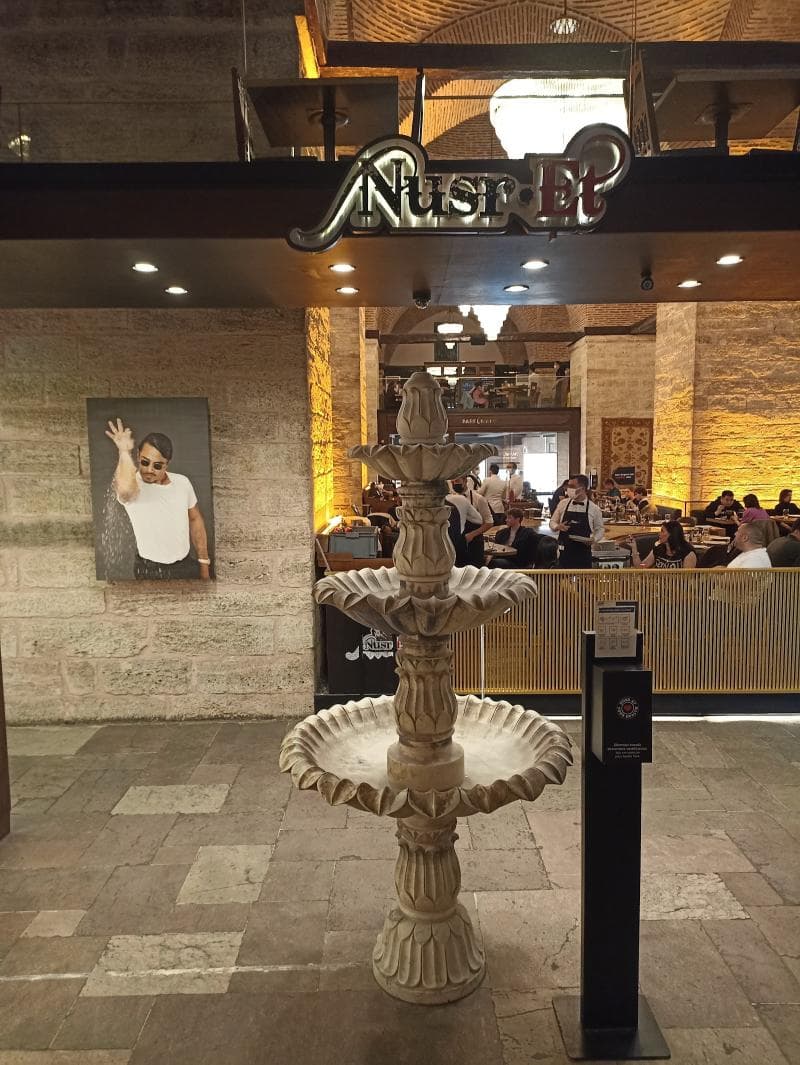
A particularly poignant detail is how the Sandal Bedesten transformed over time. After its golden age as a textile market, it gained a new life as a carpet auction house in the early 20th century. This echoes the Grand Bazaar's organic growth, where different trades found their niche. More recently, some parts of the Sandal Bedesten have been rented to the private sector and house establishments like a restaurant, though this contemporary use has sparked discussions about preserving its monumental architectural integrity.
Visitor Perspective
For the curious traveler exploring the vastness of the Grand Bazaar in Istanbul, Sandal Bedesten presents a compelling, often overlooked, experience. Unlike the high-energy main corridors filled with souvenir shops and constant haggling, the Sandal Bedesten offers a chance for a more reflective encounter with history.
Visitors can wander through its domed halls, admiring the strong, unadorned architecture that speaks volumes about its enduring purpose. It's a place where the echoes of silk traders and auctioneers still seem to linger, inviting one to imagine the vibrant commerce that once thrived here. While some areas now feature more modern retail or dining, the underlying structure and historical ambiance remain palpable. Seeking out Sandal Bedesten offers a deeper appreciation for the historical layers of the Grand Bazaar, moving beyond just shopping to understanding its profound cultural and commercial legacy. It's a journey into a part of Istanbul's past that shaped its present.
Coordinates: 28.9679333, 41.0105806
View on Google Maps💬 How Travelers Describe This Place
Based on community votes
Unique
980Must See
963Interesting
389Photogenic
340Beautiful
201
Traveler Stories
Discover memorable experiences shared by travelers who have visited this place.
No traveler stories yet.
Be the first traveler to share what made this place memorable.

Tour
By
Spot
Discover amazing places around the world. Your journey starts here.
Explore
© 2026 TourBySpot. All rights reserved.