Cevahir Bedesten
Istanbul, Turkey
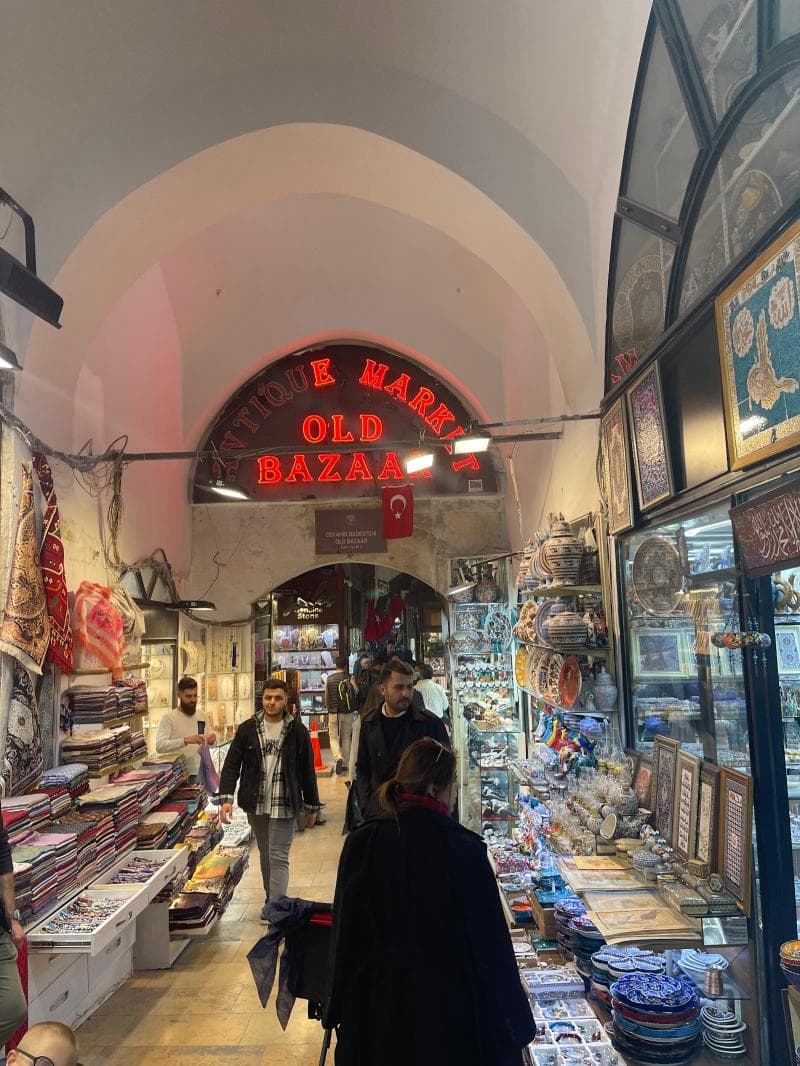
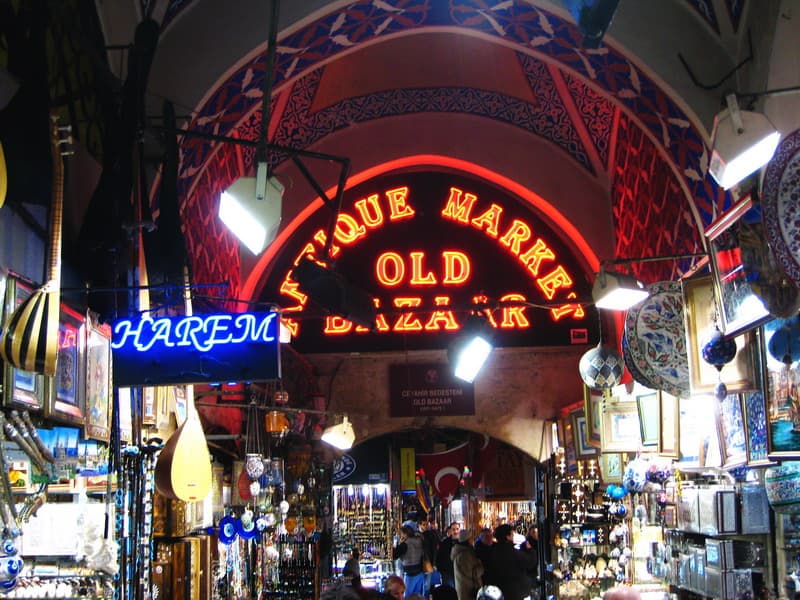
Discover Cevahir Bedesten, the historic heart of Istanbul's Grand Bazaar. Explore its ancient walls, dazzling jewelry, and rich Ottoman history in Turkey.
Overview
Deep within the labyrinthine passages of Istanbul's Grand Bazaar lies the Cevahir Bedesten, a historical treasure often referred to as the 'Inner Bedesten' or 'Old Bedesten'. It stands as the oldest and arguably the most significant section of this vast marketplace, originally conceived as a secure, fortress-like stronghold for the empire's most valuable commodities. Today, its sturdy stone walls and domed ceilings continue to house a captivating array of precious items, from glittering jewelry to rare antique artifacts, inviting curious travelers to step back in time.
History & Cultural Background
The story of Cevahir Bedesten begins shortly after the Ottoman conquest of Constantinople. Commissioned by Sultan Mehmed the Conqueror, its construction commenced in 1461. This makes it the foundational core around which the Grand Bazaar gradually expanded. Initially, the Bedesten (a vaulted, fireproof structure for valuable goods) served as a hub for the trade of fine cloth, but it quickly evolved to become the primary marketplace for gold, silver, precious stones, and rare antiques. More than just a marketplace, it functioned as an essential economic institution, including a depot for goods, a retail sales point, a logistical base for caravans, and even a bank where merchants could safely store their wealth and documents. Architecturally, the Cevahir Bedesten is characterized by its impressive 15 domes and thick stone walls, designed to ensure the utmost security for the treasures within.
What Makes It Special
What sets Cevahir Bedesten apart is its remarkable historical continuity and architectural integrity. While the broader Grand Bazaar grew organically around it, the Bedesten has maintained its original citadel-like atmosphere, serving as a constant through centuries of change. Its enduring presence made it the commercial heart of the city, a place where major transactions took place and where the most sought-after goods exchanged hands. Even today, it remains a focal point for those seeking truly unique and high-value items, offering a tangible connection to Istanbul's rich trading past. The transition from a pure commercial center to a significant tourist attraction has allowed its historical essence to be preserved and appreciated by a global audience.
Stories, Fun Facts & Local Details
The deep history of Cevahir Bedesten has inevitably given rise to intriguing legends and cultural nuances. One such tale speaks of a 'time portal' hidden within its ancient walls, believed by some to be a secret passage to different dimensions known only to members of an esoteric order. While likely folklore, it adds a mystical layer to the Bedesten's already rich tapestry of stories. Historically, the Bedesten was a melting pot of cultures, with Jewish, Rum (Ottoman Greek), Armenian, and European merchants contributing to its vibrant commercial life. The Bedesten was also an early form of a 'vault' or 'safe deposit box', where merchants rented cupboards and safes to protect their gold, silver, money, and important documents, long before modern banking systems were widespread.
Visitor Perspective
A visit to Cevahir Bedesten is a true sensory and historical journey. As you navigate its vaulted passages, you are enveloped by an atmosphere distinct from the rest of the bustling Grand Bazaar. The dim lighting, the weight of history in the air, and the specific focus on exquisite, often antique, items create an archaeological experience. Here, you can expect to find a curated selection of some of the Grand Bazaar's most valuable offerings: intricately designed jewelry, rare antique copperware, historical weapons, ancient coins, stunning calligraphy artworks, and beautifully crafted Iznik tiles. While bargaining is a part of the Grand Bazaar experience, the prestige of items within Cevahir Bedesten often means a slightly different approach. It's a place for careful consideration and appreciating the artistry and provenance of each piece, offering a memorable encounter with Istanbul's enduring heritage.
Coordinates: 28.96793, 41.01058
View on Google Maps💬 How Travelers Describe This Place
Based on community votes
Beautiful
980Photogenic
396Unique
389Interesting
340Must See
201
Traveler Stories
Discover memorable experiences shared by travelers who have visited this place.
No traveler stories yet.
Be the first traveler to share what made this place memorable.

Tour
By
Spot
Discover amazing places around the world. Your journey starts here.
Explore
© 2026 TourBySpot. All rights reserved.