Çarşı Street
Istanbul, Turkey
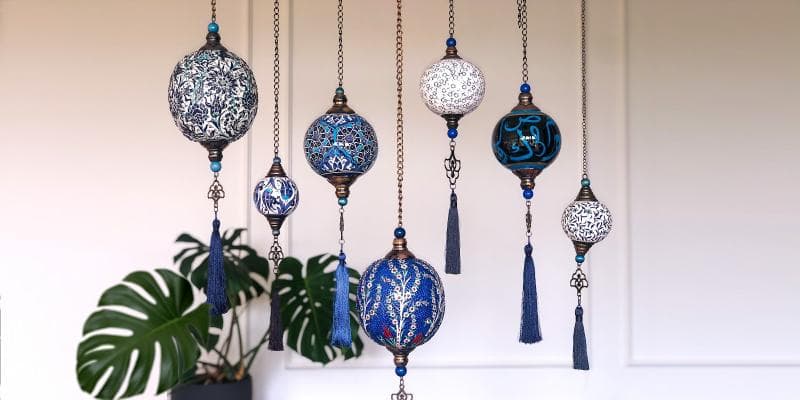
Explore Çarşı Street in Istanbul's historic Grand Bazaar, a vibrant artery showcasing centuries of Turkish trade, culture, and craftsmanship. Discover unique treasures and immerse yourself in this ancient marketplace.
Overview
Deep within the labyrinthine heart of Istanbul's Grand Bazaar lies Çarşı Street, one of the primary arteries of this historic marketplace. The Grand Bazaar, known in Turkish as Kapalıçarşı, meaning 'Covered Market', is not just a collection of shops, but a bustling city within a city, reflecting centuries of trade and culture. Çarşı Street, along with the bazaar's other 60-plus covered streets, offers a vibrant tapestry of sights, sounds, and scents, inviting travelers to step back in time and immerse themselves in a unique shopping and cultural experience.
As you navigate Çarşı Street, you're traversing a pathway steeped in history, where the echoes of ancient trade routes blend with the lively chatter of modern commerce. It's a place where tradition and contemporary life merge, offering everything from exquisite handcrafted goods to daily necessities, all beneath an impressive canopy of vaulted arches and domes.
History & Cultural Background
The story of the Grand Bazaar, and by extension, its prominent thoroughfares like Çarşı Street, begins shortly after the Ottoman conquest of Constantinople. Sultan Mehmed II initiated the construction of the bazaar in 1455/56, with its core being two bedestens—vaulted, fireproofed structures for storing precious goods. The earliest, Cevahir Bedesten, was built to generate revenue for the Hagia Sophia. Over centuries, the bazaar expanded organically around these initial structures, evolving into the sprawling complex it is today, with its numerous streets, including Çarşı Street.
Originally, each street within the bazaar was often dedicated to specific trades or guilds, fostering specialized craftsmanship and commerce. While the strict guild system has evolved, the tradition of certain areas specializing in particular goods subtly persists. Çarşı Street, as a main passage, historically would have been central to this commercial life, witnessing the exchange of goods from across three continents and serving as a vital hub along the Silk Road. The bazaar has endured numerous fires and earthquakes, always rebuilt and restored, testament to its enduring importance to Istanbul's economy and culture.
What Makes It Special
What makes Çarşı Street special is its role as a central vein within one of the world's oldest and largest covered markets. It’s a dynamic microcosm of the entire Grand Bazaar, presenting a concentrated experience of its diverse offerings. Here, the sheer volume and variety of goods are astounding, from sparkling jewelry and intricate carpets to vibrant textiles, leather goods, and ceramics.
The street's architecture, with its ornate domes, arches, and occasionally visible hand-painted motifs, contributes to an immersive atmosphere that transports visitors. Unlike a modern shopping mall, Çarşı Street offers an authentic historical setting where the art of traditional trade, including the playful ritual of bargaining, is still very much alive.
Stories, Fun Facts & Local Details
Imagine the sounds of merchants calling out their wares, the clinking of teacups, and the lively banter of negotiation echoing through Çarşı Street for over 500 years. One interesting aspect of the Grand Bazaar's past is that shops, until the 19th century, often didn't have names or signboards; merchants sat on wooden divans in stalls, with precious goods kept in cabinets rather than openly displayed.
Historically, an entire city's worth of infrastructure existed within the bazaar's walls, including mosques, fountains, and even hans (caravanserais) where travelers and goods could find lodging. Çarşı Street would have been a witness to all of this daily life, from the early morning opening of its numerous gates to the evening closure. Today, the bazaar is still a significant employer and a major landmark, attracting hundreds of thousands of visitors daily.
Visitor Perspective
Visiting Çarşı Street means preparing for a sensory adventure. The sheer scale and vibrant atmosphere can be overwhelming, yet utterly captivating. It's advisable to wear comfortable shoes, as exploring the interconnected streets, including Çarşı Street, involves a good deal of walking. Many shops on Çarşı Street specialize in jewelry, showcasing sparkling gold and silver pieces, while nearby side alleys might lead to carpet sellers or ceramic artists.
Don't hesitate to engage with the shopkeepers; a friendly chat often precedes the age-old tradition of bargaining, which is considered part of the experience. Many vendors will invite you for a glass of traditional Turkish tea, offering a moment of hospitality amidst the vibrant trade. While some perceive the bazaar as touristy, approaching it with an open mind and a willingness to explore allows for discovering genuine treasures and experiencing Istanbul's enduring commercial spirit.
Coordinates: 28.9674, 41.0063
View on Google Maps💬 How Travelers Describe This Place
Based on community votes
Interesting
733Unique
642Must See
409Photogenic
375Beautiful
12
Traveler Stories
Discover memorable experiences shared by travelers who have visited this place.
No traveler stories yet.
Be the first traveler to share what made this place memorable.

Tour
By
Spot
Discover amazing places around the world. Your journey starts here.
Explore
© 2026 TourBySpot. All rights reserved.