Nuruosmaniye Gate
Istanbul, Turkey
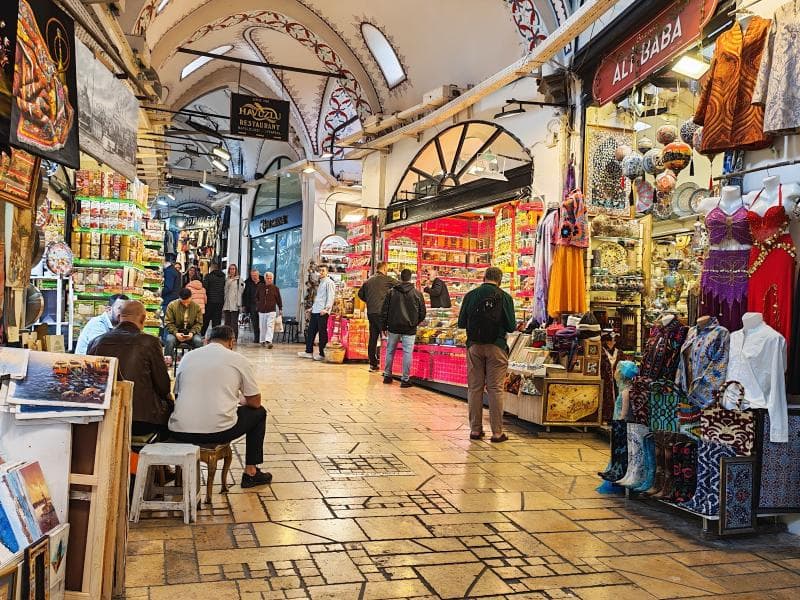
Discover Nuruosmaniye Gate, a historic entrance to Istanbul's Grand Bazaar, rich in Ottoman history and unique Baroque architecture.
Overview
Step through time and tradition as you approach the Nuruosmaniye Gate, a grand and historically significant entrance to Istanbul’s legendary Grand Bazaar. Nestled in the bustling Fatih district, this gateway is more than just an entry point; it's a threshold connecting the vibrant modern city to centuries of Ottoman commerce and culture. Situated conveniently beside the exquisite Nuruosmaniye Mosque, the gate stands as a silent sentinel to a place that has been the beating heart of trade and craftsmanship for over five centuries. Often considered the main entry for many curious travelers, the Nuruosmaniye Gate immerses you directly into the sprawling, labyrinthine world of one of the oldest and largest covered markets on Earth.
As you pass under its arch, you are not merely entering a marketplace but stepping into a living narrative where history echoes in every alleyway and vibrant souk. This gate, along with its mosque, serves as a prominent landmark in the area, offering a perfect starting point for exploring the Grand Bazaar's 61 covered streets and thousands of shops. Its strategic location makes it an essential stop for anyone seeking to unravel the rich tapestry of Istanbul's mercantile past and present.
History & Cultural Background
The story of the Nuruosmaniye Gate is interwoven with the grand history of two colossal Istanbul landmarks: the Grand Bazaar and the Nuruosmaniye Mosque. The Grand Bazaar, or Kapalıçarşı, traces its origins back to the mid-15th century, with construction beginning shortly after the Ottoman conquest of Constantinople in 1455-1461 under the decree of Sultan Mehmed II. What started as a few modest structures dedicated to textile and jewel trading soon blossomed into an immense commercial complex. Over the centuries, it evolved from wooden structures into the stone and brick marvel we see today, enduring countless fires and earthquakes, yet always rising anew from its ashes.
Adjacent to this ancient marketplace stands the Nuruosmaniye Mosque, a structure of profound architectural importance. Commissioned by Sultan Mahmud I in 1748-1749 and brought to completion by his brother Sultan Osman III in 1755, this mosque marked a revolutionary departure from classical Ottoman architectural norms. It stands as Istanbul's first imperial mosque to boldly embrace the Western Baroque style, setting a new trend in Ottoman art and design. The Nuruosmaniye Gate itself was reportedly added during repairs following the devastating 1766 earthquake, incorporating elements characteristic of the 'Tulip Era', further blending historical resilience with artistic innovation.
What Makes It Special
What sets the Nuruosmaniye Gate apart is its symbolic and literal connection to two distinct yet harmonious architectural eras and cultural narratives. On one side, it ushers you into the centuries-old, organically grown Grand Bazaar, a testament to enduring trade traditions. On the other, it stands in direct conversation with the Nuruosmaniye Mosque, a pioneering example of Ottoman Baroque.
The mosque's striking design, with its horseshoe-shaped or semi-oval courtyard and curved lines, represents a significant shift from the more rectilinear classical Ottoman mosques. Its name, 'Nuruosmaniye,' meaning 'Light of Osman,' is not only a tribute to Sultan Osman III but also a poetic nod to its 174 windows, which flood the interior with an abundance of natural light – a characteristic feature of Baroque aesthetics. This innovative use of light and curvilinear forms makes both the mosque and, by extension, its adjacent gate, a unique showcase of cultural synthesis, where Eastern and Western artistic expressions beautifully converge.
Stories, Fun Facts & Local Details
The name 'Nuruosmaniye' is a wonderful blend of meaning, signifying 'the light of Osman,' honoring Sultan Osman III, and playfully referencing the mosque's remarkably bright interior, illuminated by 174 windows. Imagine a time when the Grand Bazaar, into which this gate leads, was not just a marketplace but a bustling nexus of the Silk and Spice Roads, connecting continents and cultures. Merchants from far-flung lands converged here, turning Istanbul into a true bridge between East and West.
A fascinating detail about the Grand Bazaar's resilience is its ability to rebuild after devastating fires and earthquakes throughout its long history. Each reconstruction not only restored the market but often brought new architectural elements, such as the Nuruosmaniye Gate itself, which integrated Tulip Era characteristics during repairs in the late 18th century. Entering through Nuruosmaniye Gate, you'll often find yourself on Kalpakçılar Street, historically known as the 'Street of the Hatmakers,' now a prominent area for jewelry. The adjacent Nuruosmaniye Mosque was built as part of a larger complex, or külliye, which historically included a madrasa (religious school), an imaret (soup kitchen), a library, and a tomb, serving as a vital community hub. These layers of history and function add depth to every step within this historic district.
Visitor Perspective
For the curious traveler, approaching the Grand Bazaar through the Nuruosmaniye Gate is often the first step into a truly immersive Istanbul experience. Stepping through this iconic archway is like crossing a threshold into another dimension, leaving the modern city behind for a sensory explosion of sights, sounds, and scents. The initial impression is one of organized chaos – a vibrant tapestry of human activity where traders call out their wares and shoppers haggle for treasures. This gate is particularly popular, making it a bustling entry point that immediately plunges you into the heart of the bazaar's energy.
From the Nuruosmaniye Gate, you are well-positioned to explore the renowned Kalpakçılar Caddesi, known for its dazzling array of jewelry. Navigating the bazaar's intricate pathways can be a delightful challenge; a common tip is to make a mental note of your entrance gate or even snap a quick photo of its number. This simple act can provide a sense of orientation in what can feel like a labyrinth, ensuring a smooth exit after a day of discovery. The close proximity of the Nuruosmaniye Mosque also offers an opportunity for a tranquil respite from the market's hustle, allowing visitors to appreciate its unique Baroque architecture before rejoining the lively atmosphere of the Grand Bazaar.
Coordinates: 28.970389, 41.010328
View on Google Maps💬 How Travelers Describe This Place
Based on community votes
Interesting
944Photogenic
638Unique
396Must See
389Beautiful
340
Traveler Stories
Discover memorable experiences shared by travelers who have visited this place.
No traveler stories yet.
Be the first traveler to share what made this place memorable.

Tour
By
Spot
Discover amazing places around the world. Your journey starts here.
Explore
© 2026 TourBySpot. All rights reserved.