Fram Museum
Oslo, Norway
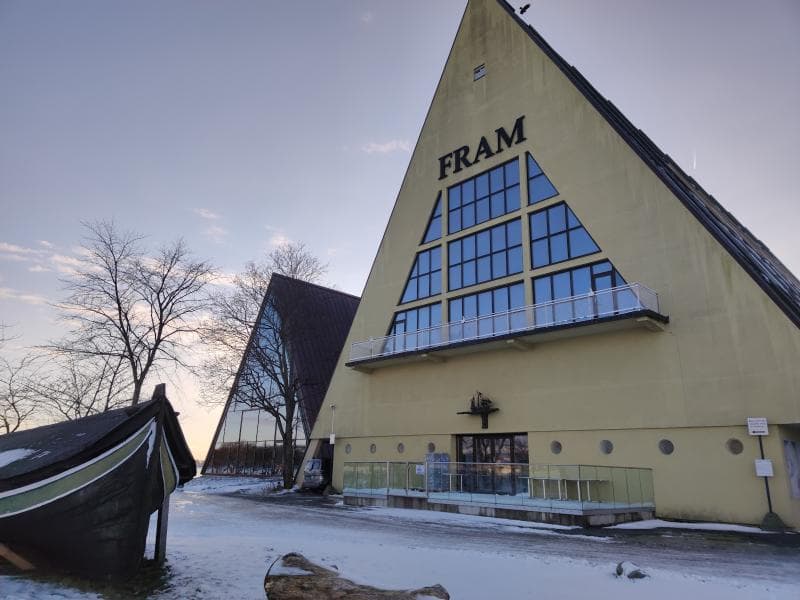
Explore the Fram Museum in Oslo, Norway, home to the legendary polar ships Fram and Gjøa, detailing heroic Arctic and Antarctic expeditions.
Overview
The Fram Museum, nestled on the scenic Bygdøy peninsula in Oslo, Norway, offers a captivating journey into the heroic age of polar exploration. It stands as a tribute to Norway's significant contributions to discovering the Arctic and Antarctic regions. The museum primarily showcases two legendary polar exploration vessels: the Fram and the Gjøa. Visitors to this unique museum can immerse themselves in the stories of daring expeditions and the lives of iconic Norwegian explorers like Fridtjof Nansen, Otto Sverdrup, and Roald Amundsen.
History & Cultural Background
The Fram Museum was officially inaugurated on May 20, 1936, with the core mission of preserving and celebrating Norway's rich polar exploration heritage. Its centerpiece, the polar ship 'Fram', was commissioned by the renowned Arctic explorer Fridtjof Nansen. Designed and built by the Scots-Norwegian shipbuilder Colin Archer between 1891 and 1892, the 'Fram' was ingeniously crafted with a rounded hull intended to rise above ice pressure, preventing it from being crushed. This innovative design proved crucial during Nansen's groundbreaking 1893-1896 expedition, which aimed to drift across the Arctic Ocean. The 'Fram' later carried Otto Sverdrup on his extensive Arctic mapping voyages from 1898 to 1902 and, most famously, transported Roald Amundsen to the Antarctic for his historic South Pole conquest in 1910-1912. After its return in 1914, the 'Fram' faced neglect until polar veterans, notably Otto Sverdrup, championed its preservation, leading to the museum's establishment.
A significant expansion occurred in 2013 with the opening of the Gjøa Building, connected to the main hall by an underground tunnel. This new wing houses the 'Gjøa', the first ship to successfully navigate the entire Northwest Passage between 1903 and 1906 under the command of Roald Amundsen. The 'Gjøa' became fully accessible to visitors after its careful restoration in 2017.
What Makes It Special
The Fram Museum offers an unparalleled opportunity to step aboard and explore the original polar ships, 'Fram' and 'Gjøa'. The 'Fram' holds impressive records for sailing farther north and farther south than any other wooden vessel in history, showcasing its exceptional strength and design. Inside the 'Fram', visitors can wander through its restored interiors, peering into the crew's cabins, the engine room, and the hold, experiencing the authentic conditions faced by the explorers.
Beyond the ships themselves, the museum provides a range of interactive and immersive experiences. An introductory film offers a 'crash course' in polar history, setting the stage for the exhibits. Visitors can enjoy a 270-degree film experience, including a storm sequence, and interact with multi-touch screens that delve into specific stories. A popular feature is the polar simulator, which recreates the extreme cold and dangers of polar expeditions. Adding to the thrill, a new 4D polar flight simulator, installed in 2025, allows guests to virtually join Roald Amundsen's daring 1926 flight over the North Pole, complete with moving seats and wind effects.
Stories, Fun Facts & Local Details
One fascinating aspect of the Fram Museum's construction is that it was literally built around the 'Fram' ship. The vessel was sailed to its current location, and the museum's distinctive triangular building was erected to enclose it, accommodating its massive mast. The museum's dedication to historical accuracy means the 'Fram's' interiors are meticulously restored to reflect its appearance during Otto Sverdrup's 1890s expedition, with many original objects on display. You can find personal belongings in the crew's cabins, offering a glimpse into their daily lives in the icy wilderness.
The preservation of the 'Fram' itself is a story of perseverance. After its final return, the ship was left exposed to the elements for years. It was through the tireless campaign led by polar explorer Otto Sverdrup and a dedicated committee in the 1920s that funds were raised for its restoration and the eventual creation of the museum. The 'Fram's' unique hull, designed by Colin Archer, was not meant to cut through ice but to be lifted by it, preventing it from being crushed—a testament to innovative thinking in extreme conditions.
Visitor Perspective
The Fram Museum is conveniently located on the Bygdøy peninsula, a short distance west of central Oslo, making it easily accessible for travelers. Public transport options include bus line 30, which runs frequently from downtown Oslo directly to the museum's vicinity. During the summer months, a scenic ferry service from Oslo's City Hall pier offers a pleasant 10-minute ride to Bygdøy, just a short walk from the museum entrance.
Bygdøy is often referred to as the 'museum peninsula' due to its cluster of cultural institutions. The Fram Museum's immediate neighbors include the Kon-Tiki Museum and the Norwegian Maritime Museum, allowing visitors to explore multiple significant sites within a small area. The museum is committed to accessibility, being wheelchair friendly and offering explanations in ten languages, catering to a diverse international audience.
Coordinates: 10.6995, 59.9033
View on Google Maps💬 How Travelers Describe This Place
Based on community votes
Interesting
826Beautiful
800Unique
387Photogenic
242Must See
90
Traveler Stories
Discover memorable experiences shared by travelers who have visited this place.
No traveler stories yet.
Be the first traveler to share what made this place memorable.
Things to see at Fram Museum



Tour
By
Spot
Discover amazing places around the world. Your journey starts here.
Explore
© 2026 TourBySpot. All rights reserved.