Expedition Cabins
Oslo, Norway
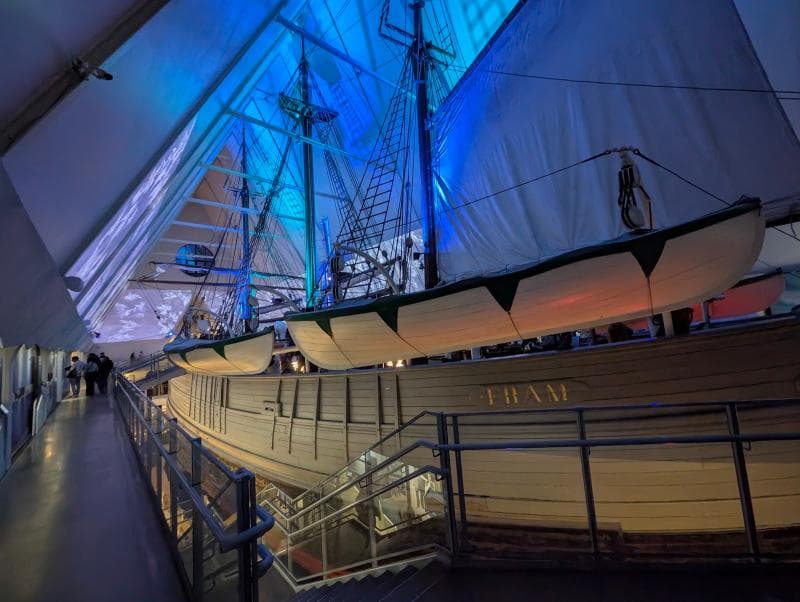
Explore the historic Expedition Cabins inside the Fram Museum in Oslo, Norway, and experience the challenging lives of polar explorers.
Overview
The Fram Museum in Oslo, Norway, is a captivating tribute to polar exploration, centered around the magnificent polar ship, Fram. More than just a static display, the museum invites visitors to step aboard this legendary vessel and delve into the lives of the intrepid explorers who sailed her. Among the most evocative parts of this experience are the Expedition Cabins found within the Fram, offering an intimate glimpse into the challenging and often harsh realities of life during groundbreaking Arctic and Antarctic voyages. These preserved quarters allow a rare connection to the past, illustrating the sheer determination and resilience required for journeys to the world's most extreme regions.
History & Cultural Background
The Fram, meaning 'Forward' in Norwegian, was specifically designed by Colin Archer to withstand the crushing pressures of polar ice, making her the strongest wooden ship ever built. She embarked on three monumental expeditions with celebrated Norwegian explorers: Fridtjof Nansen's Arctic drift (1893-1896), Otto Sverdrup's extensive mapping of the Canadian Arctic (1898-1902), and Roald Amundsen's historic race to the South Pole (1910-1912). The ship's interior, including its cabins, evolved over these expeditions. After Nansen's first journey, an extra deck was added to improve living conditions, creating a more comfortable saloon flanked by single cabins. To combat the brutal cold, additional paneling was installed 30 centimeters from the ship's sides, with the space filled with cork for superior insulation, a testament to the crew's relentless pursuit of survival and a semblance of comfort in an unforgiving environment. These small, yet vital, spaces housed men who would change the course of exploration history.
What Makes It Special
What truly sets the Expedition Cabins apart is their unparalleled authenticity and immersive presentation. Visitors are not merely looking at artifacts behind glass; they are walking through the actual living quarters where polar heroes ate, slept, and planned their next moves. In 2018, the Fram exhibition underwent a significant overhaul, reimagining the ship's interior as if 'ready for expedition'. This redesign brought open cabins, meticulously recreated workshops, and lifelike mannequins that populate the ship, offering a vivid sense of the crew's presence. Original objects from the expeditions are carefully placed, further enhancing the historical accuracy and emotional resonance. The ability to touch the wooden walls, peer into bunks, and imagine the rocking of the ship amidst the ice provides a profound sense of connection to these historic voyages, a quality recognized by the Fram Museum's prestigious Outstanding Achievement THEA award in 2020.
Stories, Fun Facts & Local Details
The cabins aboard the Fram are replete with fascinating stories, each corner hinting at the daily lives and extraordinary resilience of its occupants. One poignant detail is the specific mention of Oscar Wisting's cabin. Wisting, a veteran of both Amundsen's South Pole expedition and his later North Pole attempt, was deeply involved in the Fram's preservation. Tragically, he passed away in his old cabin aboard the Fram at the museum in 1936, a testament to his lifelong bond with the ship and its legacy. These cabins illustrate the ingenious ways explorers adapted to confinement and isolation. Despite the brutal conditions outside, Nansen, for instance, insisted on maintaining a 'civilized life' onboard, with the galley and dining saloon serving as the ship's heart, where the crew would gather, play cards, celebrate, and even publish their own newspaper to preserve their sanity during long Arctic winters. The meticulous cork insulation within the cabin walls highlights the critical importance of even small improvements in comfort and survival during voyages where every degree made a difference.
Visitor Perspective
Stepping into the Expedition Cabins of the Fram is an intensely personal and reflective experience. The low ceilings, narrow bunks, and compact spaces immediately convey the challenging living conditions faced by the explorers. It allows visitors to truly grasp the scale of their endurance and the sacrifices made in the name of discovery. The interactive and audio-visual enhancements integrated into the ship's interior create an immersive atmosphere, with soundscapes that evoke the creaking of the hull and the harshness of a polar storm, making one feel truly present on an Arctic journey. Beyond the ship itself, the museum extends the 'cabin' concept to its Framheim Café, designed as a series of cozy wooden huts inspired by historic polar wintering shelters. These café cabins, each adorned with themed expedition photos and featuring LCD 'windows' displaying the Northern Lights or expedition footage, offer a moment of contemporary comfort while still immersing visitors in the spirit of polar exploration. Ultimately, exploring the Fram's cabins is a profound journey through history, offering a deep appreciation for the human spirit's capacity for adventure and perseverance.
Coordinates: 10.698463, 59.90319
View on Google Maps💬 How Travelers Describe This Place
Based on community votes
Must See
886Beautiful
564Unique
201Interesting
121Photogenic
87
Traveler Stories
Discover memorable experiences shared by travelers who have visited this place.
No traveler stories yet.
Be the first traveler to share what made this place memorable.

Tour
By
Spot
Discover amazing places around the world. Your journey starts here.
Explore
© 2026 TourBySpot. All rights reserved.