Botanical Garden Of The National Academy Of Sciences
Bishkek, Kyrgyzstan
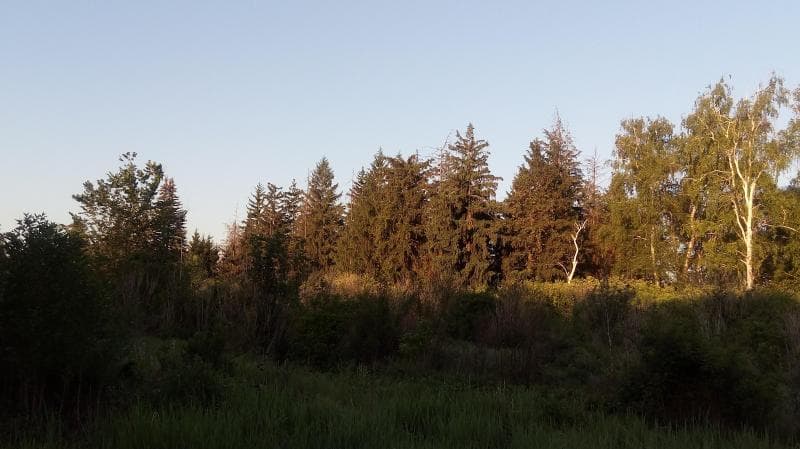
Explore the Botanical Garden of the National Academy of Sciences in Bishkek, Kyrgyzstan – a vast oasis of diverse flora, scientific research, and serene escape.
Overview
Nestled in the vibrant city of Bishkek, Kyrgyzstan, the Botanical Garden of the National Academy of Sciences offers a tranquil escape and a living testament to botanical diversity. Known also as the E. Gareev Botanical Garden, this expansive green space functions as both a peaceful retreat for locals and visitors, and a critical scientific institution. Established in the foothills of the picturesque Chui Valley, near the Alamedin and Ala-Archa Rivers, it stands at an elevation of approximately 800 to 920 meters above sea level. Its sprawling grounds, encompassing about 124 hectares with 36 hectares accessible to the public, house an extraordinary collection of flora, making it one of the largest and most diverse botanical gardens in Central Asia and the CIS countries.
History & Cultural Background
The garden's story began in 1938, founded by a decree from the Council of People's Commissars of the Kyrgyz SSR. Its initial purpose was to study and enrich Kyrgyzstan's local flora, a mission it continues to uphold today. In 1964, it achieved the significant status of a research institution, solidifying its role in scientific inquiry. Later, in 1996, the garden was officially named after the distinguished Kyrgyz biologist Enver Gareyev, honoring his contributions. As a vital part of the National Academy of Sciences of the Kyrgyz Republic, it has played a pivotal role in the region's scientific and environmental landscape. A testament to its ecological importance, the garden was granted the status of a specially protected natural area in January 2025, ensuring its long-term preservation and continued scientific work.
What Makes It Special
What truly sets this botanical garden apart is its remarkable biodiversity and its dual function as a public park and a cutting-edge research facility. It boasts an impressive collection that includes approximately 2,500 species of trees and shrubs, 3,500 species of flowers and greenhouse plants, and over 8,000 species of fruit plants. This makes it a leading center for the study and conservation of plant diversity in Central Asia. The garden's dedication to research is evident in its four laboratories, focusing on woody and shrubby plants, flower and ornamental plants, the biology of fruit plants, and the physiology of plant resistance. These scientific efforts are crucial for the introduction, acclimatization, and genetic study of plants, including rare and endemic species from Kyrgyzstan's rich natural flora. For instance, its collections include 170 species of native flora, with 37 classified as rare and protected, and 16 listed in the Red Book of Kyrgyzstan. This commitment to both scientific advancement and biodiversity preservation makes it an invaluable natural heritage site.
Stories, Fun Facts & Local Details
Over the decades, the Botanical Garden has interwoven itself into the fabric of Bishkek life. It has served as a place of quiet reflection and lively activity, witnessing countless strolls, family picnics, and jogging sessions. It's often said that the best times to experience its full splendor are during spring, when new leaves unfurl and flowers are in vibrant bloom, and in autumn, when the foliage transforms into a spectacular palette of red and gold. While much of the garden offers well-maintained paths and serene landscapes, some areas retain a wilder, more natural charm, with local reports even mentioning the presence of an apiary in its southern section. The garden has faced challenges, including funding issues and a need for infrastructure upgrades, but ongoing reconstruction efforts, supported by government initiatives, aim to revitalize its pathways, irrigation systems, and overall visitor experience, while preserving its core scientific mission.
Visitor Perspective
For visitors, the Botanical Garden provides a unique opportunity to connect with nature right within the city. It's a sanctuary for those seeking clean air, open space, and a break from urban bustle. Whether you're interested in a leisurely walk, a refreshing jog or bike ride, or simply finding a peaceful spot for contemplation, the garden caters to diverse preferences. The organized zones with different plant families make a walk both educational and visually stimulating, while the presence of laboratories hints at the deeper scientific work happening behind the scenes, turning the grounds into a living laboratory for traditional remedies and plant adaptation. With ongoing improvements and its newly protected status, the garden is poised to offer an even more enriching experience, inviting travelers to explore its thematic sections and appreciate Kyrgyzstan's botanical heritage for generations to come.
Coordinates: 74.612222, 42.874722
View on Google Maps💬 How Travelers Describe This Place
Based on community votes
Unique
995Photogenic
839Beautiful
603Must See
581Interesting
388
Traveler Stories
Discover memorable experiences shared by travelers who have visited this place.
No traveler stories yet.
Be the first traveler to share what made this place memorable.
Things to see at Botanical Garden Of The National Academy Of Sciences



Tour
By
Spot
Discover amazing places around the world. Your journey starts here.
Explore
© 2026 TourBySpot. All rights reserved.