Walking Trails
Bishkek, Kyrgyzstan
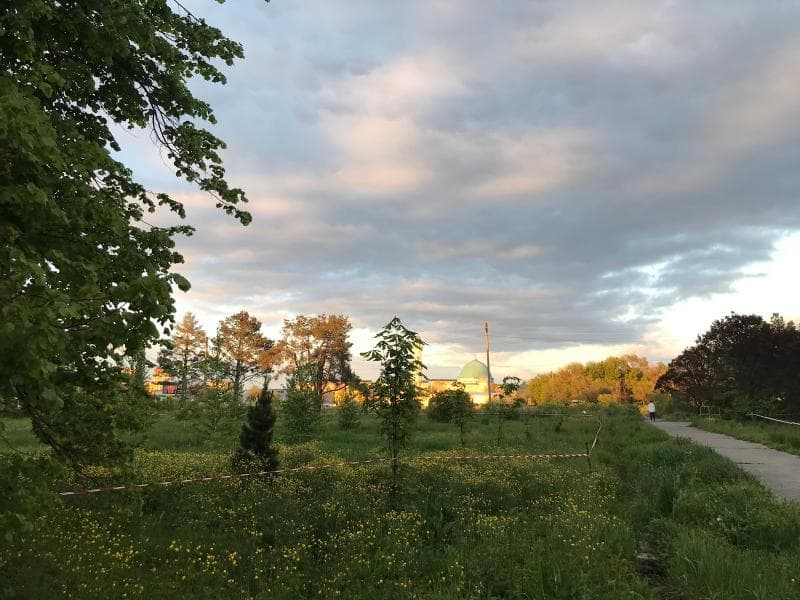
Explore the peaceful walking trails of Bishkek's Botanical Garden of the National Academy of Sciences, Kyrgyzstan. Discover diverse flora.
Overview
The Walking Trails within the Botanical Garden of the National Academy of Sciences in Bishkek, Kyrgyzstan, offer a serene escape into nature's embrace. Often referred to as the E.Z. Gareev Botanical Garden, this expansive green space is far more than just a park; it is a vital scientific research institution and the sole botanical garden of its kind in Kyrgyzstan. Established in 1938, the garden spans a remarkable 124 hectares, with 36 hectares thoughtfully cultivated and opened to the public, inviting locals and travelers alike to explore its diverse botanical wonders. As one of Central Asia's largest and most varied botanical collections, it houses an astonishing array of plant life, including approximately 2,500 species of trees and shrubs, 3,500 types of flowers and greenhouse plants, and over 8,000 varieties of fruit plants. The trails wind through carefully organized sections, presenting a rich tapestry of flora, from indigenous Kyrgyz species to exotic specimens gathered from across the globe. Whether seeking a leisurely stroll, a refreshing jog, or a peaceful spot for a picnic, the walking trails provide a tranquil sanctuary amid the urban vibrancy of Bishkek.
History & Cultural Background
The Botanical Garden's origins trace back to 1938, a period when scientific institutions were gaining prominence across the Soviet Union. It was later named after Gareev, a distinguished Kyrgyz biologist, honoring his contributions to the study of the region's flora. The garden's establishment was not merely for aesthetic pleasure but with a clear scientific mandate, transforming it into a significant research center under the National Academy of Sciences. This dual role as both a public green space and a scientific facility has shaped its development and purpose for decades. Over the years, it has grown to become one of the most substantial and diverse botanical gardens in Central Asia and the Commonwealth of Independent States (CIS) countries. While some accounts suggest varying levels of maintenance over time, the garden's enduring existence is a testament to its intrinsic value and the dedication of local enthusiasts and students who contribute to its upkeep, ensuring its legacy as a living laboratory and a cherished natural asset for Bishkek.
What Makes It Special
What truly sets the Botanical Garden's Walking Trails apart is the sheer scale and scientific depth of its plant collection. Visitors can immerse themselves in a living encyclopedia of over 2,500 species of trees and shrubs, 3,500 flower and greenhouse varieties, and more than 8,000 fruit plant types, representing both Kyrgyzstan's native vegetation and exotic introductions from distant lands. Its status as the only botanical garden in Kyrgyzstan underscores its unique importance for biodiversity conservation and scientific study. The garden is an active participant in the international scientific community, notably through its involvement with Botanic Gardens Conservation International for seed exchange, highlighting its global significance in plant research. Beyond its scientific prowess, the garden offers a unique ecological advantage to Bishkek. It acts as a vital green lung for the city, providing a considerable expanse of clean air and a much-needed respite from urban noise and pollution. The trails are thoughtfully laid out across distinct zones, allowing for an educational and visually stimulating journey through different plant families and ecosystems, further enhanced by laboratories dedicated to studying local medicinal plants and their applications.
Stories, Fun Facts & Local Details
The Botanical Garden's trails tell a story of nature's resilience and human dedication. Named in honor of the Kyrgyz biologist Gareev, the garden reflects a deep respect for natural sciences within the local culture. For a truly immersive experience, plan your visit during spring, when the air fills with the fragrant scent of blooming flowers and new leaves unfurl, or in autumn, when the foliage transforms into a vibrant palette of yellow and red hues. This seasonal spectacle offers ever-changing backdrops for your walks. Many locals consider the garden a part of their daily routine, using its expansive network of paths for regular walks and invigorating jogs. A general exploration of the main alleys and picturesque sections typically takes about two to three hours, providing a pleasant introductory experience. However, for those keen on delving deeper into specific collections, such as the arboretum or specialized themed displays, significantly more time can be happily spent. A fun, yet practical, local detail to note, particularly for joggers, is that while the perimeter paths are often well-suited for running, some interior paths might be less maintained and could feature bees due to an on-site apiary; it's always wise to stick to the more frequented routes. Admission to this botanical treasure is free, making it an accessible and enriching destination for everyone.
Visitor Perspective
From a visitor's perspective, the Walking Trails within the Botanical Garden of the National Academy of Sciences are an invitation to unwind and reconnect with nature. The atmosphere is one of profound tranquility and serenity, offering a welcome contrast to the city's dynamic pace. Travelers often describe it as a peaceful retreat, a place where the clean, fresh air invigorates the senses and the diverse plant life captivates the eye. The well-defined paths and shaded alleys make for comfortable leisurely strolls, allowing visitors to simply enjoy the beauty around them or engage in more active pursuits like jogging and cycling. It's an ideal spot for quiet contemplation, educational observations of plant diversity, or simply finding inspiration amidst the natural beauty. While pets are generally not permitted to preserve the garden's delicate environment, photography for personal use is encouraged, capturing memories of its lush landscapes. For those interested in a more structured learning experience, guided tours can be arranged upon request, providing deeper insights into the garden's collections and scientific work. The garden truly offers a rewarding experience, whether you're seeking a moment of peace, a breath of fresh air, or an educational journey through the plant kingdom.
Coordinates: 74.637, 42.83
View on Google Maps💬 How Travelers Describe This Place
Based on community votes
Unique
995Photogenic
839Beautiful
603Must See
581Interesting
388
Traveler Stories
Discover memorable experiences shared by travelers who have visited this place.
No traveler stories yet.
Be the first traveler to share what made this place memorable.

Tour
By
Spot
Discover amazing places around the world. Your journey starts here.
Explore
© 2026 TourBySpot. All rights reserved.