Rare Plant Collections
Bishkek, Kyrgyzstan
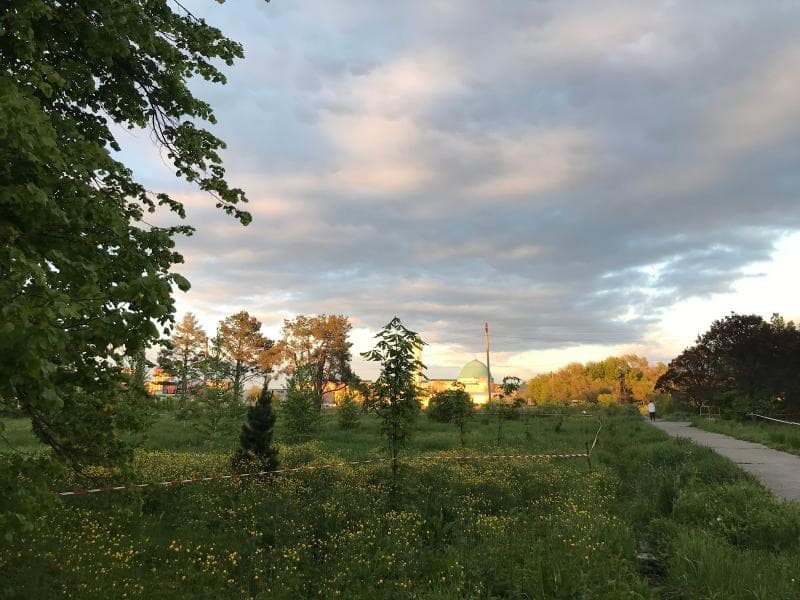
Explore the rare plant collections at the E. Gareev Botanical Garden of the National Academy of Sciences in Bishkek, Kyrgyzstan.
Overview
The E. Gareev Botanical Garden of the National Academy of Sciences in Bishkek, Kyrgyzstan, is not merely a park but a vibrant living museum and a critical scientific institution. Spanning an impressive 124 hectares, with 36 hectares openly accessible to the public, it stands as one of Central Asia's largest and most diverse botanical gardens. This extensive green space serves a dual purpose: a serene escape for city dwellers and a vital research hub dedicated to the study and preservation of plant life, especially its precious rare plant collections.
History & Cultural Background
Established in March 1938, the Botanical Garden holds a rich history intertwined with Kyrgyzstan's scientific development. It is proudly named in honor of the renowned Kyrgyz biologist, E. Gareev, a testament to his contributions to the region's botanical understanding. In 1964, its significance was further cemented when it was granted the official status of a research institute, becoming an integral part of the National Academy of Sciences of the Kyrgyz Republic. More recently, in January 2025, the garden achieved the crucial designation of a 'specially protected natural area,' underscoring its immense value for both scientific research and national heritage, ensuring its preservation for future generations.
What Makes It Special
What truly sets the E. Gareev Botanical Garden apart are its exceptional and extensive rare plant collections. It boasts an astonishing diversity, housing over 2,500 species of trees and shrubs, 3,500 varieties of flowers and greenhouse plants, and a remarkable collection of over 8,000 fruit plant species. Within its living collections, an estimated 5,500 taxa thrive, forming a unique gene pool crucial for biodiversity. A particular highlight is its dedicated focus on the native flora of Kyrgyzstan. Researchers meticulously cultivate and study species endemic or subendemic to the region, including 14 species of Eremurus, 16 species of Tulipa, 12 species of Allium, and 13 species of Iris. Many of these are listed in the Red Data Book of the Kyrgyz Republic, signifying their rarity and protected status. The garden also maintains a significant collection of the Iridaceae family, with species like Iridodictyum kolpakowskianum and Juno zenaidae (a type of Iris) specifically noted for their inclusion in the Red Book. Beyond outdoor displays, a greenhouse shelters delicate exotic plants, from towering bananas to diverse succulents, offering a glimpse into tropical ecosystems. The garden's four laboratories actively engage in plant introduction, resistance studies, and the biology of fruit plants, cementing its role as a premier center for botanical research in Central Asia.
Stories, Fun Facts & Local Details
The dedication to these rare collections isn't without its challenges. A poignant event in 2018 highlighted the fragility of such botanical treasures when a heating system failure during a severe frost led to significant damage of the tropical plants in the greenhouse, including ficus, bananas, and monsteras. This incident painfully underscored the constant vigilance and immense effort required by the garden's staff to preserve these vulnerable species. Despite such setbacks, the garden remains a beloved local spot, a verdant sanctuary where Bishkek residents come to unwind, connect with nature, and enjoy moments of peace. Its ongoing research contributes invaluable knowledge to the global understanding of Central Asian biodiversity, making it a quiet hero in the world of conservation.
Visitor Perspective
For the curious traveler, the E. Gareev Botanical Garden offers a tranquil and enriching experience. The best times to visit are during spring and autumn when the garden bursts with the vibrant colors of new blossoms or transforms into a painter's palette of reds and golds. Its expansive grounds feature numerous pathways perfect for leisurely strolls, invigorating jogs, or even cycling, providing ample space to breathe fresh air away from the city's hustle. While some sections are impeccably maintained, others embrace a more natural, slightly wilder aesthetic, reflecting the authentic character of a working scientific institution. Bringing a picnic to enjoy amidst the diverse flora is a popular local pastime, allowing visitors to fully immerse themselves in this botanical haven.
Coordinates: 74.619082, 42.853037
View on Google Maps💬 How Travelers Describe This Place
Based on community votes
Beautiful
839Photogenic
445Must See
388Unique
289Interesting
141
Traveler Stories
Discover memorable experiences shared by travelers who have visited this place.
No traveler stories yet.
Be the first traveler to share what made this place memorable.

Tour
By
Spot
Discover amazing places around the world. Your journey starts here.
Explore
© 2026 TourBySpot. All rights reserved.