Tree Collections
Bishkek, Kyrgyzstan
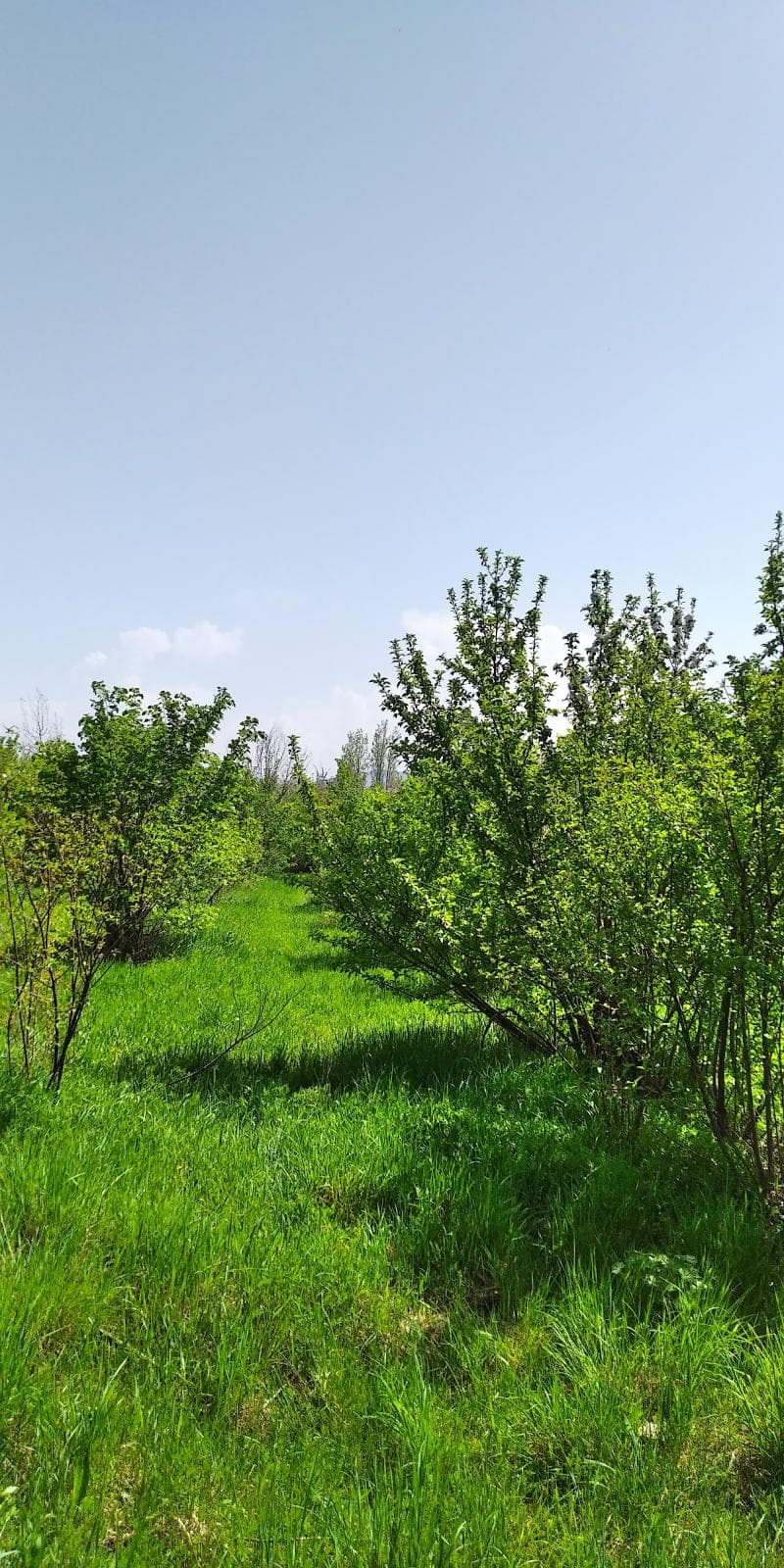
Explore the diverse Tree Collections at Bishkek's E.Z. Gareev Botanical Garden, Kyrgyzstan, a vast oasis for nature lovers and researchers.
Overview
Nestled in the vibrant city of Bishkek, Kyrgyzstan, the E.Z. Gareev Botanical Garden of the National Academy of Sciences stands as a verdant sanctuary, renowned for its extensive and diverse Tree Collections. More than just a park, this sprawling green space serves as a vital research institution dedicated to the study, preservation, and introduction of plant species. Spanning approximately 124 to 160 hectares, it is recognized as one of the largest and most diverse botanical gardens across Central Asia and the CIS countries. While its total area is vast, about 36 hectares are openly accessible to the public, offering a peaceful escape from urban life. Visitors can immerse themselves in a rich tapestry of flora, with the Tree Collections forming a significant part of its botanical treasures.
The Botanical Garden is situated in the picturesque foothills of the Chui Valley, near Bishkek, at an elevation of approximately 800 meters above sea level, providing a unique environment for its varied plant life. Its strategic location allows it to host species adapted to different climates and elevations, making it an invaluable living laboratory. The Tree Collections, an arboretum component, showcase an impressive array of woody plants, inviting curious travelers to explore the sheer diversity of arboreal wonders found within this scientific and recreational haven.
History & Cultural Background
The history of the E.Z. Gareev Botanical Garden dates back to March 13, 1938, when it was officially established by a decree of the Council of People's Commissars of the Kirghiz SSR. From its inception, it was designed to be Kyrgyzstan's first research center focused on studying and enriching the local flora through the introduction of plants from across the globe. This foundational role solidified its importance not only as a place of natural beauty but also as a pillar of scientific inquiry.
A significant milestone occurred in 1964, when the Botanical Garden gained official status as a research institute and became an integral part of the National Academy of Sciences of the Kyrgyz Republic. It was named in honor of the distinguished Kyrgyz biologist Gareev, whose legacy is intertwined with the garden's enduring mission. Over the decades, the garden has continually expanded its collections and research capabilities, playing a crucial role in environmental protection and the sustainable use of biological diversity.
What Makes It Special
The Tree Collections within the E.Z. Gareev Botanical Garden are truly exceptional due to their sheer scale and diversity. The living collection boasts an impressive 495 woody and shrub taxa, encompassing 48 families and 121 genera. This includes a significant number of both coniferous (80 taxa) and deciduous (415 taxa) trees and shrubs. Beyond exotic introductions, the garden is a guardian of native Kyrgyz flora, featuring 63 native tree and shrub taxa, including rare subendemic and endemic species.
What makes these collections particularly special is their dual role: they are not only a source of aesthetic pleasure but also a critical resource for scientific research. The garden’s laboratories conduct long-term studies on plant introduction, adaptation, and conservation, providing invaluable data for urban landscaping and sustainable development in Bishkek. This dedication to both scientific rigor and public appreciation ensures that the Tree Collections are a living library of arboreal knowledge, a green lung for the city, and a serene retreat for all who visit.
Stories, Fun Facts & Local Details
Visiting the Botanical Garden offers more than just a stroll among trees; it offers a connection to Kyrgyzstan's natural heritage and the dedicated individuals who have nurtured this ecological treasure. Imagine the stories held within the ancient trees, some of which have witnessed decades of scientific discovery and seasonal changes since the garden's founding in 1938. The garden's involvement in the Botanic Gardens Conservation International for seed exchange highlights its global contribution to plant conservation, linking Bishkek's green oasis to a worldwide network of botanical expertise.
A fun detail for visitors is how the garden actively contributes to Bishkek's urban development, with its research informing the city's Master Plan for tree and shrub planting. This means that the beautiful trees you see gracing Bishkek's streets may well have their origins or research background in this very garden. Locals often use the garden for leisurely strolls, jogging, and picnics, reflecting its role as a beloved community space where nature and urban life harmoniously coexist. It's a place where you can truly feel the pulse of the city's green heart, enjoying clean air and tranquil paths away from the bustling streets.
Visitor Perspective
For the curious traveler, exploring the Tree Collections of the Botanical Garden provides a profoundly refreshing experience. The best times to visit are during spring, when new leaves unfurl and flowers bloom, or in autumn, when the foliage transforms into a spectacular palette of yellows and reds. These seasons offer the most vibrant display and pleasant weather for wandering through the shaded alleys and diverse sections of the arboretum. You can spend a relaxing 2-3 hours enjoying a general overview, or considerably longer if you wish to delve deeper into specific plant sections.
Entry to the Botanical Garden is free of charge, making it an accessible natural retreat for everyone. While pets are generally not allowed to maintain the serene environment, photography for personal use is welcome, allowing you to capture the stunning beauty of the plant life. The garden offers tranquil pathways perfect for leisurely walks, opportunities for quiet reflection, and even spots for a peaceful picnic amidst nature's splendor. It's an ideal destination for those seeking a deeper connection with the natural world and an appreciation for the scientific efforts behind its preservation.
Coordinates: 74.637, 42.83
View on Google Maps💬 How Travelers Describe This Place
Based on community votes
Unique
998Photogenic
903Interesting
481Must See
472Beautiful
92
Traveler Stories
Discover memorable experiences shared by travelers who have visited this place.
No traveler stories yet.
Be the first traveler to share what made this place memorable.

Tour
By
Spot
Discover amazing places around the world. Your journey starts here.
Explore
© 2026 TourBySpot. All rights reserved.