Flower Gardens
Bishkek, Kyrgyzstan
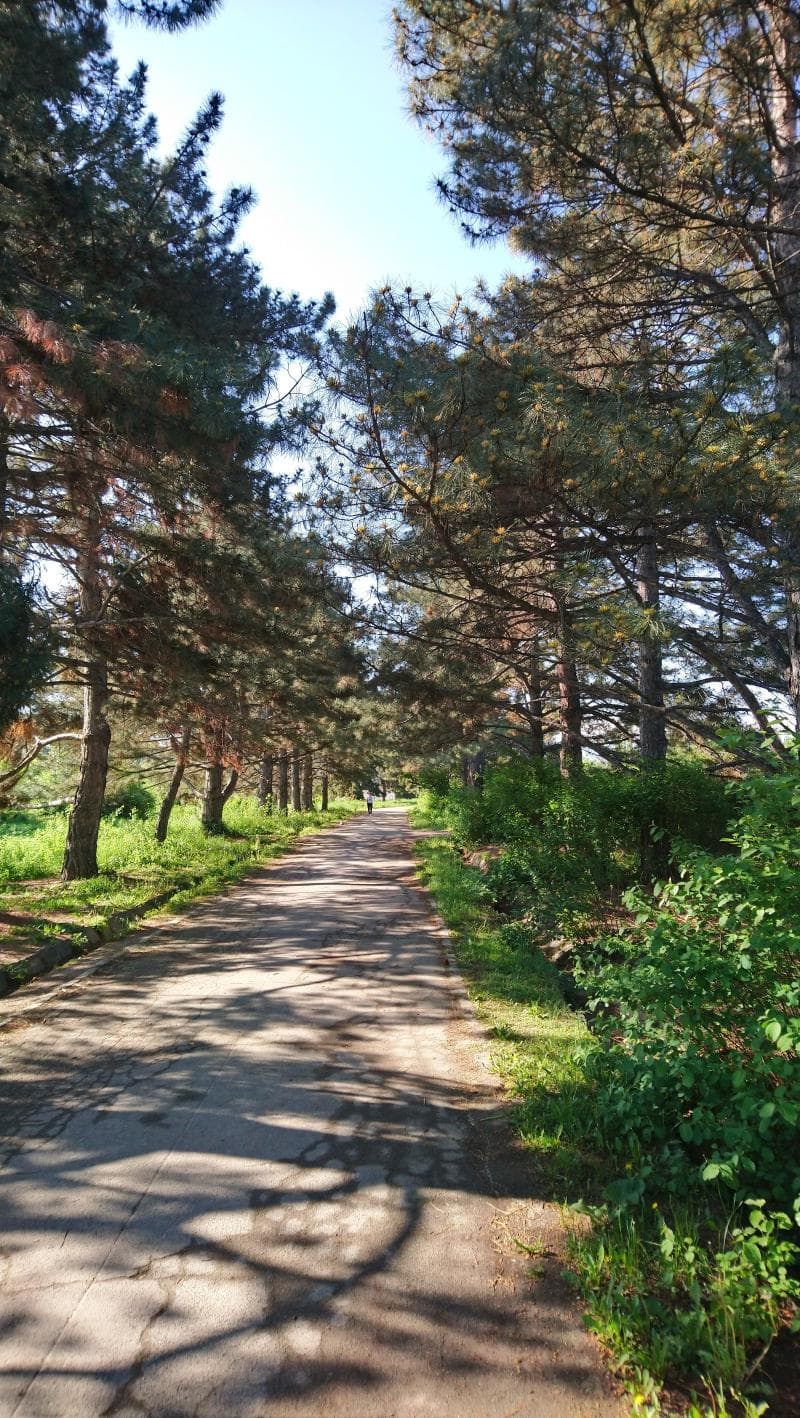
Explore the vibrant flower collections at the Botanical Garden of the National Academy of Sciences in Bishkek, Kyrgyzstan – a scientific oasis.
Overview
Nestled in the heart of Bishkek, Kyrgyzstan, the Botanical Garden of the National Academy of Sciences offers a tranquil escape, showcasing an impressive array of flora that thrives within its expansive grounds. While not formally segmented into a 'Flower Gardens' section, the botanical garden itself is a vibrant tapestry of flowering plants, boasting over 3,500 species of flowers and greenhouse varieties among its vast collections. This green oasis serves as both a public park and a vital scientific research institution, dedicated to the study and preservation of plant life.
Established in 1938, this garden is a prominent landmark, recognized as one of Central Asia's largest and most diverse botanical collections. It spans approximately 124 hectares, with a significant portion, about 36 hectares, accessible to the public, inviting visitors to explore its diverse ecosystems. The garden provides a serene setting for leisurely strolls, educational experiences, and peaceful contemplation amidst nature's beauty. Its status as a specially protected natural area underscores its importance for biodiversity and environmental conservation.
History & Cultural Background
The Botanical Garden of the National Academy of Sciences, also known as the Enver Gareyev Botanical Garden, carries a rich history intertwined with the scientific and cultural development of Kyrgyzstan. Founded in 1938, its inception was a testament to a deep-seated belief in progress and nature's value, even during challenging times. The garden is named in honor of Enver Gareyev, a renowned Kyrgyz biologist whose legacy is deeply embedded in the institution's mission.
Initially conceived as a public park, the garden evolved significantly, gaining the status of a research institute in 1964. This transformation cemented its role beyond mere aesthetics, establishing it as a crucial center for plant introduction, gene pool collection, and environmental protection. Over the decades, it has served as a living laboratory, contributing to the understanding of both local medicinal plants and global botanical diversity. The enduring presence of such an institution reflects Kyrgyzstan's commitment to scientific inquiry and the appreciation of its natural heritage.
What Makes It Special
What truly sets the Botanical Garden apart is its extraordinary biodiversity and its dual role as a scientific research hub and a public sanctuary. It houses an astonishing collection of approximately 5,500 taxa in its living collections, making it one of the richest botanical gardens in Central Asia. Visitors can encounter 2,500 species of trees and shrubs, alongside the spectacular 3,500 species of flowers and greenhouse plants. The garden also boasts over 8,000 species of fruit plants, highlighting Kyrgyzstan's rich agricultural traditions.
Beyond its impressive plant inventory, the garden is a site of active scientific work, featuring four specialized laboratories focusing on woody plants, ornamental flowers, fruit biology, and plant resistance. This scientific rigor informs the careful cultivation and presentation of its floral displays, ensuring that what visitors see is not just beautiful, but also scientifically significant. The changing seasons bring new wonders; spring ushers in a fragrant explosion of blossoms and fresh foliage, while autumn transforms the landscape into a canvas of vivid yellows and reds.
Stories, Fun Facts & Local Details
A stroll through the Botanical Garden is more than just a walk; it is an immersion into a living story. Imagine the dedication of the gardeners and scientists who have tirelessly nurtured these plants for decades, many working 'laboriously on each plant' to preserve its diversity. The garden's establishment during the 1930s, a period of global upheaval, speaks to the resilient spirit and forward-thinking vision of its founders, who believed in building for the future even when the present was uncertain.
Locals often refer to the garden as a 'tranquil escape' and a 'vast green oasis,' utilizing its paths for jogging, cycling, or simply enjoying a peaceful picnic. It represents a beloved civic space where city dwellers can reconnect with nature. Despite challenges in maintenance over the years, recent initiatives to grant it 'specially protected natural area' status and plans for 'reconstruction and restoration' underscore a renewed appreciation for its ecological and social value. It's a place where history, science, and community converge, offering a unique glimpse into Kyrgyzstan's natural heritage.
Visitor Perspective
Visiting the Botanical Garden of the National Academy of Sciences is an experience best savored at a leisurely pace. While spring offers the most vibrant floral displays and intoxicating scents, autumn provides a spectacular show of foliage, making both seasons ideal for a visit. The garden's extensive pathways invite exploration, whether you seek a brisk walk, a bike ride, or a quiet spot for reflection. Finding a secluded bench amidst the diverse plant collections offers a perfect opportunity to unwind from the city's hustle and bustle.
Though some areas may show signs of natural growth, the sheer scale and variety of plant life are consistently impressive. It is a place where you can witness the dedicated work of conservationists and scientists firsthand. While specific 'flower gardens' may not be demarcated with signs, the entire park blooms with countless varieties, especially in warmer months when flowers are most visible. Allow ample time to wander and discover the subtle beauty of its many sections, from vibrant herbaceous borders to collections of trees and shrubs, each contributing to the garden's overall floral splendor.
Coordinates: 74.637, 42.83
View on Google Maps💬 How Travelers Describe This Place
Based on community votes
Beautiful
685Interesting
472Must See
446Unique
399Photogenic
92
Traveler Stories
Discover memorable experiences shared by travelers who have visited this place.
No traveler stories yet.
Be the first traveler to share what made this place memorable.

Tour
By
Spot
Discover amazing places around the world. Your journey starts here.
Explore
© 2026 TourBySpot. All rights reserved.