Bogyoke Aung San Market
Yangon, Myanmar
Explore Bogyoke Aung San Market in Yangon, Myanmar. Discover colonial architecture, Burmese handicrafts, exquisite gems, and local flavors in this historic bazaar. Find visitor tips.
Overview
The Bogyoke Aung San Market, widely recognized as one of Yangon, Myanmar's most iconic destinations, is far more than just a shopping venue; it is a vibrant tapestry woven with history, culture, and daily life. Nestled in the heart of central Yangon's Pabedan township, this sprawling market stands as a testament to colonial-era architecture and continues to be a bustling hub for both locals and international visitors. Its distinctive inner cobblestone streets and covered arcade define a shopping experience unlike any other, inviting exploration into a treasure trove of Myanmar's finest crafts, dazzling gems, and authentic cultural artifacts.
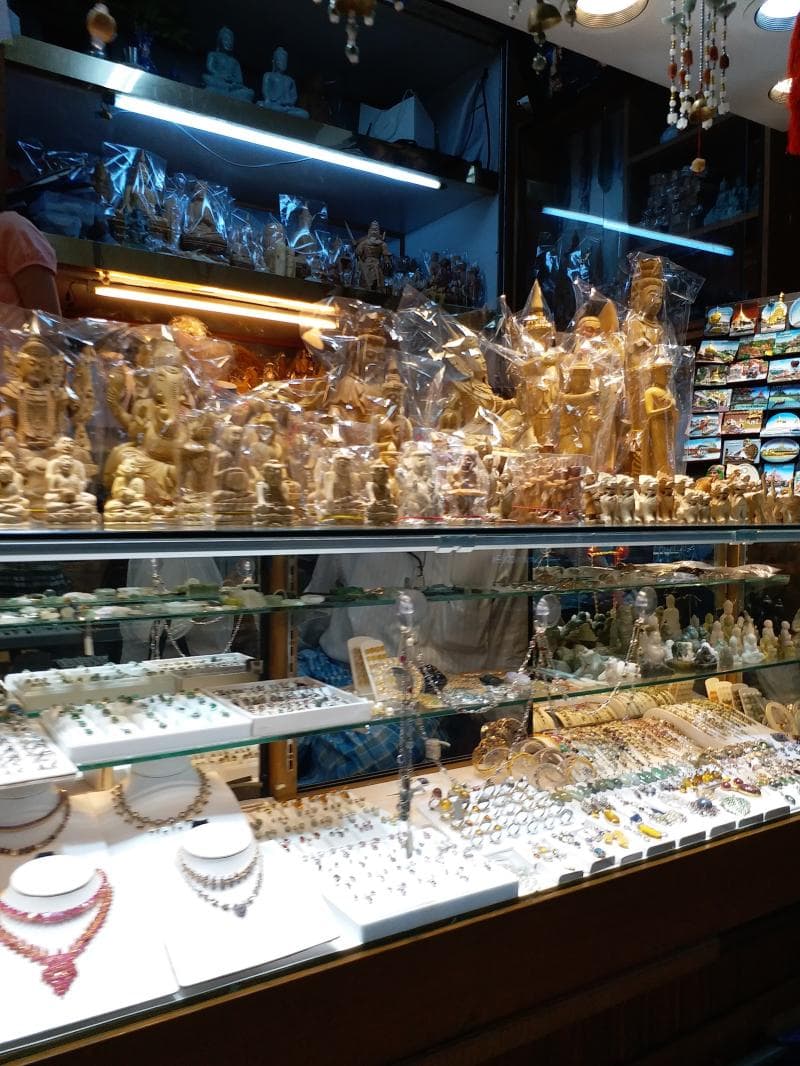
Renowned for its lively atmosphere and diverse offerings, the market features a plethora of shops, estimated to be over 1,000 to 2,000 stalls, selling everything from traditional handicrafts and exquisite jewelry to clothing, antiques, and local delicacies. It serves as Myanmar's single richest source of souvenirs, making it an essential stop for anyone wishing to take a piece of the country's vibrant heritage home.
History & Cultural Background
The market's origins trace back to British colonial rule, with its construction completed in 1926. Initially, it was named Scott Market, honoring Gavin C. Scott, the Municipal Commissioner at the time, who played a significant role in the development of Rangoon (as Yangon was then known). Contrary to a common misconception, it was not named after James George Scott, a journalist often incorrectly credited.
Following Myanmar's independence in 1948, the market was patriotically renamed Bogyoke Aung San Market. This renaming was a profound tribute to General Aung San, Myanmar's revered national hero who was instrumental in the country's struggle for independence. The market's structure itself is a recognized heritage site, listed on the Yangon City Heritage List, preserving its unique colonial charm amidst the evolving cityscape.
What Makes It Special
Bogyoke Aung San Market is special due to its exceptional blend of history, architecture, and commerce. Its colonial-era architecture, characterized by covered walkways and inner cobblestone streets, creates an enchanting ambiance that transports visitors to a bygone era. This historic setting houses an unparalleled collection of Burmese products, making it a premier destination for discovering Myanmar's treasures.
The market is particularly famous for its dazzling array of gems and jewelry, including Burmese jade, rubies, pearls, gold, silver, and other precious stones, many sourced from local mines. Beyond precious stones, visitors can find exquisite Burmese handicrafts such as intricately woven textiles from ethnic minority states like Chin and Shan, fine lacquerware from Bagan, wood carvings, and traditional paintings. It's a place where traditional craftsmanship flourishes, showcasing skills passed down through generations.
Moreover, the market caters to all senses, with a vibrant food section offering local Burmese, Chinese, and other Asian delicacies. From traditional sweets and snacks to hearty noodle dishes and refreshing drinks, the culinary offerings provide a delightful break from shopping.
Stories, Fun Facts & Local Details
The market carries fascinating stories, such as the initial debate over its naming. In 1940, a Burmese nationalist proposed changing 'Scott Market' to 'Mingala Market' ('auspicious' in Pali), arguing that public institutions should bear Burmese names. While that proposal was defeated, the market was eventually renamed to honor General Aung San after independence, cementing its place in Myanmar's national identity.
Historically, the market was also known as a popular spot for black market currency exchange, though its focus has shifted. A truly unique cultural aspect is its role as a venue for the pre-Thingyan festival, known as Zay Thingyan (meaning 'market's water festival'), usually held around April 11th or 12th. During this time, the market comes alive with festive clothes, and shops offer free traditional foods like Mont Lone Yay Paw, Thargu, and Shwe Yin Aye.
For shoppers, bargaining is not just accepted but expected. Vendors anticipate negotiations, and engaging in friendly haggling is part of the authentic market experience. When purchasing high-value items like raw gems or antiques, it's advisable to ensure the shop provides legal invoices to avoid issues with customs.
Visitor Perspective
Visiting Bogyoke Aung San Market offers an immersive cultural experience. To fully appreciate its charm and avoid the warmest parts of the day, arriving shortly after its opening at 9:00 AM is recommended. Most shops operate from Tuesday to Sunday, typically closing around 5:00 PM or 5:30 PM, and the market is closed on Mondays and public holidays.
Expect to spend several hours wandering through its labyrinthine corridors, discovering hidden gems, and interacting with local vendors. The market is conveniently located in downtown Yangon, within a 10-15 minute walk from landmarks like Sule Pagoda. Taxis are readily available, and navigating there is straightforward. Beyond shopping, the market is an excellent place for photography, capturing the essence of an ancient building alive with modern commerce. Whether you are seeking a unique souvenir, admiring intricate crafts, or simply soaking in the vibrant atmosphere, Bogyoke Aung San Market provides a memorable glimpse into the heart of Yangon.
Coordinates: 96.1555977, 16.7802604
View on Google Maps💬 How Travelers Describe This Place
Based on community votes
Interesting
981Photogenic
617Beautiful
565Must See
157Unique
28
Traveler Stories
Discover memorable experiences shared by travelers who have visited this place.
No traveler stories yet.
Be the first traveler to share what made this place memorable.
Things to see at Bogyoke Aung San Market



Tour
By
Spot
Discover amazing places around the world. Your journey starts here.
Explore
© 2026 TourBySpot. All rights reserved.