Jewelry Section
Yangon, Myanmar
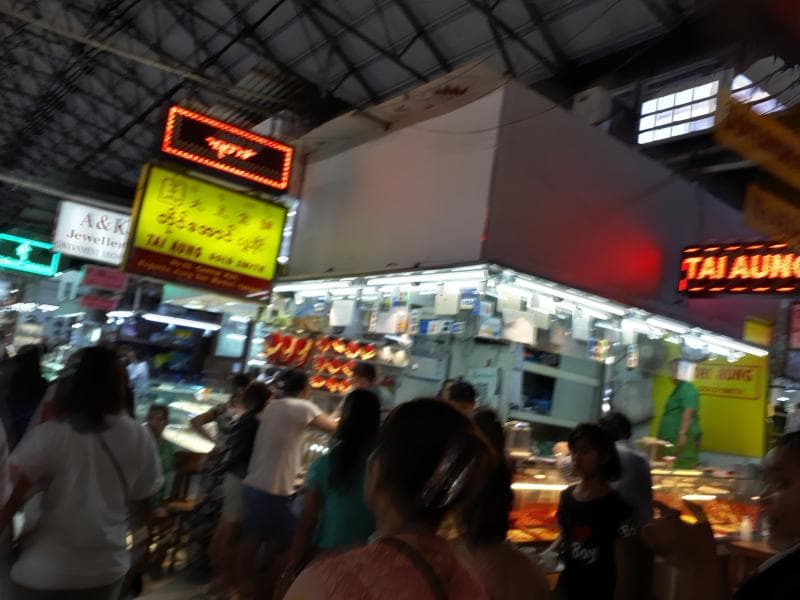
Explore the vibrant Jewelry Section at Bogyoke Aung San Market in Yangon, Myanmar, for exquisite Burmese gems and handcrafted treasures.
Overview
Nestled within the colonial charm of Yangon's historic Bogyoke Aung San Market, the Jewelry Section stands as a shimmering testament to Myanmar's rich mineral wealth and artistic heritage. This vibrant sub-spot, a significant draw for both locals and international visitors, showcases a breathtaking array of precious and semi-precious stones, alongside expertly crafted gold and silver pieces. As you wander through its dedicated aisles, the air often hums with quiet negotiation and the soft clink of gems, inviting a deeper appreciation for the country's renowned jewel-making traditions. The market, formerly known as Scott Market, is a major bazaar located in Pabedan township in central Yangon, Myanmar, known for its colonial architecture and inner cobblestone streets.
The Jewelry Section is more than just a marketplace; it is a living exhibition where hundreds of shops proudly display Myanmar's most prized natural treasures. Visitors can explore a vast selection of jade, rubies, sapphires, pearls, and amber, often set in intricate designs that reflect centuries of Burmese artistry. It serves as a primary destination for jewelry shopping in Yangon, housing well over 200 shops specializing in handcrafted jewelry and gems.
History & Cultural Background
Bogyoke Aung San Market, home to this distinguished Jewelry Section, was originally constructed in 1926 during British colonial rule and was known as Scott Market. It was later renamed after General Aung San, Myanmar's national hero and independence leader, following the country's independence in 1948. This historical backdrop imbues the market with a unique character, blending colonial architectural grandeur with a deep-rooted Burmese commercial spirit. The market itself is listed on the Yangon City Heritage List, preserving its architectural significance.
Myanmar, historically known as the 'Golden Land,' possesses vast reserves of gold and a global reputation for its exceptional gemstones, particularly rubies, jade, sapphires, and pearls. The craft of jewelry making is deeply embedded in Burmese culture, with traditions passed down through generations. The market's Jewelry Section, therefore, represents a continuous thread of this cultural narrative, where traditional craftsmanship meets the demands of contemporary taste. Each piece often tells a story, reflecting the country's rich cultural heritage.
What Makes It Special
What truly sets the Jewelry Section apart is the sheer concentration and diversity of high-quality gemstones and the artisanal skill on display. It is Yangon's top spot for handcrafted jewelry and gems, with over 200 shops under one heritage roof. Myanmar's rubies are particularly celebrated worldwide for their intense 'pigeon's blood' color, while its jade is highly revered, especially in East Asian cultures, for its beauty and perceived spiritual qualities. Unlike mass-produced items, much of the jewelry found here is painstakingly crafted, reflecting a blend of traditional Burmese techniques and contemporary designs.
The market provides an authentic glimpse into the gemstone trade, where visitors can observe vendors examining stones with precision and jewelers working with their tools. The presence of laboratories within or near the market that can authenticate purchases adds a layer of reassurance for buyers, highlighting the serious nature of the gem business here.
Stories, Fun Facts & Local Details
A fun fact about the wider Bogyoke Aung San Market is its historical association with currency exchange, acting as a popular black market location in the past, though its primary function today is legitimate trade. For the Jewelry Section, the true 'stories' lie within the gems themselves. Many of Myanmar's precious stones originate from remote, often challenging-to-access regions, each carrying tales of mining endeavors and the hands that brought them to market. For instance, the jade trade, while fascinating, also comes with complex ethical considerations regarding its sourcing.
Locally, shopping here is an experience of engagement. It's common practice, and indeed part of the fun, to engage in polite bargaining with vendors to arrive at a fair price. This interaction is not just about cost; it's a cultural exchange that adds a personal touch to your purchase. The atmosphere in the jewelry halls is one of concentrated, quiet appraisal amidst the general market murmur, with rows of glass cases glowing under focused lights, showcasing the deep crimson of Burmese rubies, the cool green of jade, and the warm sparkle of sapphires.
Visitor Perspective
For the curious traveler, a visit to the Jewelry Section is an immersive journey into Myanmar's sparkling soul. It offers a chance to acquire a unique and meaningful souvenir – a tangible piece of the country's natural beauty and artistic legacy. Stepping into the market's colonial-era building, with its high windows and vaulted, iron-trimmed roof, creates a sense of stepping back in time. The Jewelry Section is often located in the western wings and the central hall, easily navigable within the market's layout.
While exploring, take your time. Observe the craftsmanship, compare the quality of stones, and engage with the vendors. This is where you can find everything from woven gold pendants to brass neck rings, alongside lacquerware and textiles. Remember that the market operates from Tuesday to Sunday, typically between 9:00 AM and 5:00 PM or 5:30 PM, closed on Mondays and public holidays. Whether you're a serious collector or simply admiring the artistry, the Jewelry Section promises a memorable and enlightening experience, reflecting the enduring allure of Myanmar's precious treasures.
Coordinates: 96.1556, 16.7803778
View on Google Maps💬 How Travelers Describe This Place
Based on community votes
Must See
981Photogenic
921Beautiful
617Unique
357Interesting
147
Traveler Stories
Discover memorable experiences shared by travelers who have visited this place.
No traveler stories yet.
Be the first traveler to share what made this place memorable.

Tour
By
Spot
Discover amazing places around the world. Your journey starts here.
Explore
© 2026 TourBySpot. All rights reserved.