Art Galleries
Yangon, Myanmar
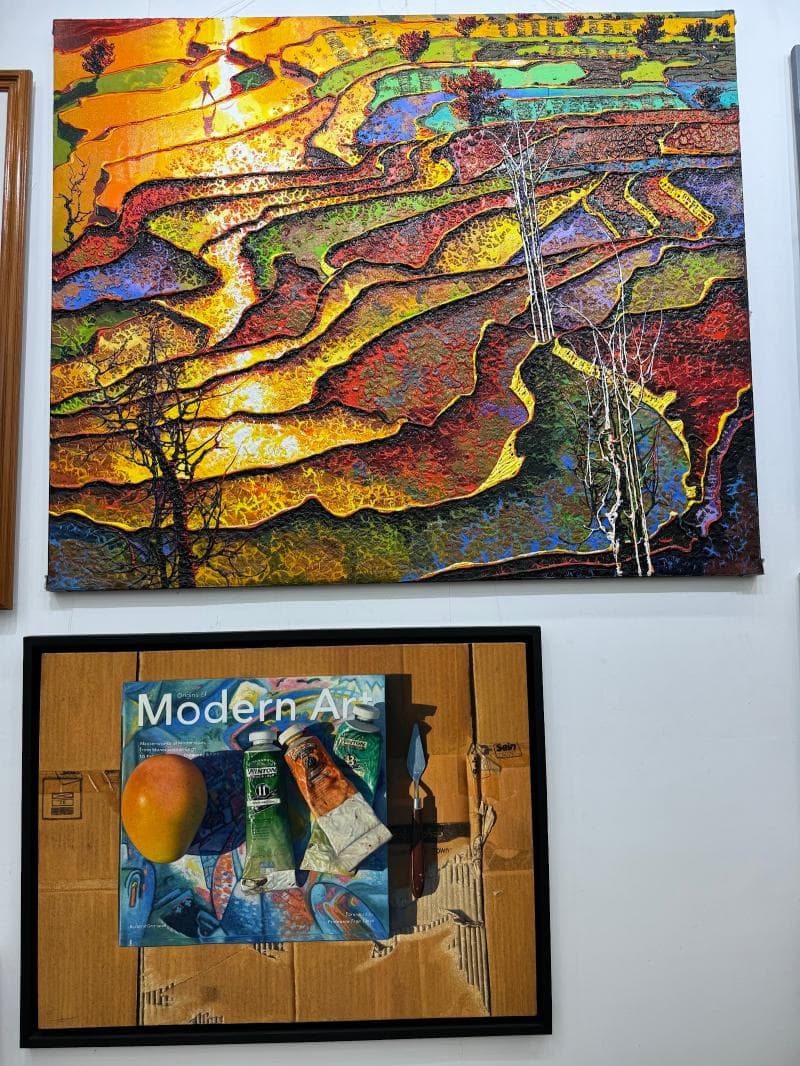
Discover the vibrant art galleries within Bogyoke Aung San Market, Yangon, Myanmar. Explore traditional and contemporary Burmese art, from local talent to historical influences.
Overview
Stepping into the art galleries within Bogyoke Aung San Market in Yangon, Myanmar, is akin to uncovering a hidden artistic treasure trove nestled within a bustling historical landmark. This prominent bazaar, also known by its colonial-era name, Scott Market, is a major tourist destination in central Yangon. While widely celebrated for its antique shops, Burmese handicrafts, and intricate jewelry, the market also serves as a significant hub for Myanmar's vibrant art scene. Here, visitors can immerse themselves in a diverse collection of traditional and contemporary art, reflecting the soul and creativity of the nation. The market's unique charm, with its distinctive colonial architecture and inner cobblestone streets, provides an evocative backdrop for exploring these artistic expressions.
History & Cultural Background
Bogyoke Aung San Market's roots stretch back to 1926, when it was constructed during the British colonial period and named Scott Market, after Municipal Commissioner Gavin Scott. Following Myanmar's independence in 1948, the market was patriotically renamed in honor of General Aung San, the revered national hero who was instrumental in the country's struggle for freedom. This historical transformation mirrors Myanmar's broader journey and cultural evolution, an evolution profoundly expressed through its art. Historically, Burmese art has been deeply influenced by Buddhist themes and traditional practices, with significant developments seen in various forms from the Bagan period onwards. The colonial era introduced Western painting styles, such as Realism and Romanticism, which began to influence local artists. Myanmar's contemporary art movement, gaining traction around the late 1980s, emerged and evolved even amidst periods of isolation and censorship, with artists finding unique ways to express their perspectives and experiences.
What Makes It Special
The art galleries within Bogyoke Aung San Market stand out for their accessibility and the sheer variety of art they present. Unlike formal, stand-alone galleries that might feel intimidating, these spaces are integrated directly into the lively tapestry of the market. This unique setting allows for an organic encounter with Burmese art, as visitors can seamlessly transition from admiring intricate lacquerware or sparkling gemstones to appreciating fine paintings and sculptures. The market hosts both established galleries, such as OK Art Gallery and Heritage Gallery, and smaller, independent art stalls, offering a wide spectrum of artistic styles and price points. It's a place where traditional Burmese motifs and techniques coexist with more modern, experimental expressions, reflecting the country's artistic journey. This concentration of artistic talent within a bustling commercial center makes it a truly special destination for art enthusiasts and curious travelers alike.
Stories, Fun Facts & Local Details
One interesting historical note is the common misconception surrounding the market's original name. Many believed 'Scott Market' referred to James George Scott, who introduced football to Myanmar, but it was actually named after Gavin Scott, the Municipal Commissioner at the time. The market's renaming to Bogyoke Aung San Market after independence solidified its place as a symbol of national pride. The contemporary art scene in Myanmar has a compelling narrative of resilience. During decades of political isolation and strict censorship, artists often found creative ways to express themselves, sometimes through performance art that left no physical trace to be censored. This history of overcoming challenges has fostered a vibrant community of often self-taught artists, whose works can be found in the market's galleries. These artists, like those showcased at OK Art Gallery, often portray themes rooted in Buddhism, daily life, and the socio-political landscape of Myanmar, offering deep insights into the country's culture and current affairs.
Visitor Perspective
For the curious traveler, the art galleries of Bogyoke Aung San Market offer an engaging and authentic cultural experience. It's an opportunity to connect directly with the heart of Myanmar's artistic expression. Wandering through these galleries allows you to witness the diversity of local talent, from seasoned artists with established reputations to emerging talents making their mark. Many of the artists showcased are self-taught, making their perspectives particularly compelling and raw. Engaging with gallery owners or artists, when possible, can provide meaningful insights into their creative processes and the stories behind their works, enriching your understanding of Burmese culture. The art here also makes for unique and meaningful souvenirs, representing not just an object, but a piece of Myanmar's artistic soul and a contribution to the local creative economy. It's a journey into the visual narratives of a nation, presented within one of Yangon's most iconic and historic settings. While the market itself is closed on Mondays, the art galleries, along with other shops, welcome visitors on other days, providing a continuous opportunity to explore this artistic facet of Yangon.
Coordinates: 96.1556, 16.7803778
View on Google Maps💬 How Travelers Describe This Place
Based on community votes
Must See
963Beautiful
723Interesting
482Photogenic
396Unique
274
Traveler Stories
Discover memorable experiences shared by travelers who have visited this place.
No traveler stories yet.
Be the first traveler to share what made this place memorable.

Tour
By
Spot
Discover amazing places around the world. Your journey starts here.
Explore
© 2026 TourBySpot. All rights reserved.