Colonial Corridors
Yangon, Myanmar
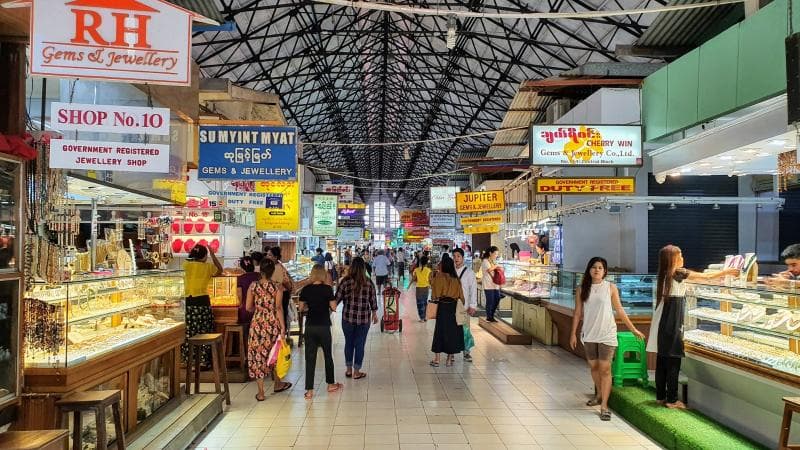
Explore the historic Colonial Corridors of Bogyoke Aung San Market in Yangon, Myanmar. Discover colonial architecture, unique crafts, and local culture.
Overview
Step into the past and present of Yangon, Myanmar, by exploring the fascinating 'Colonial Corridors' of Bogyoke Aung San Market. This iconic marketplace, formerly known as Scott Market, is more than just a shopping destination; it's a living relic of British colonial architecture intertwined with the vibrant tapestry of local culture. Its unique design, featuring inner cobblestone streets and distinctive colonial-era structures, offers a captivating journey through time for every visitor. From the moment you enter, you're enveloped in an atmosphere that is both historical and bustling, a true reflection of Yangon itself.
History & Cultural Background
The story of Bogyoke Aung San Market begins in 1926, during the final years of British rule in Myanmar. Originally christened Scott Market, it was named after Mr. Gavin Scott, the Municipal Commissioner of the time, not the journalist James George Scott as is often mistakenly believed. This grand covered market was a significant development, relocating vendors from the old Municipal Bazaar on Strand Road to its current premises. After Myanmar gained independence in 1948, the market was patriotically renamed Bogyoke Aung San Market, honoring General Aung San, a revered national leader who played a pivotal role in the country's struggle for freedom. The market's shift in name mirrors Myanmar's own journey from colonial influence to national sovereignty, making it a powerful symbol of heritage and national pride. It stands as one of Yangon's precious colonial buildings, listed on the Yangon City Heritage List.
What Makes It Special
The 'Colonial Corridors' of Bogyoke Aung San Market are defined by its remarkable architecture, setting it apart as a truly special place. The market's main hall, facing Bogyoke Road, boasts a high arched ceiling and numerous small shop booths, complete with notable features like a dome, first-floor loggias, and ornate iron arches along its façade. What truly captivates visitors are the inner cobblestone streets, a rare sight in Yangon, which weave through the market's various sections. These older sections retain their original colonial-era charm, though deeper parts of the market have seen extensions made with more basic materials, some even attempting to mimic the original iron arches. The market is organized into several sections, with areas dedicated to everything from exquisite jade, gems, and pearls to intricate Burmese handicrafts, art, textiles, and antiques. It’s a sensory feast, a place where the grandeur of a bygone era meets the bustling energy of contemporary commerce.
Stories, Fun Facts & Local Details
The internal streets of the market are uniquely named after the winners of the Aung San Thuriya medal, Myanmar's highest military honor, also named in tribute to General Aung San.
For a long time, Bogyoke Aung San Market was known as a popular spot for exchanging US dollars on the black market at advantageous rates, with money changers often found lingering on its edges.
Beyond shopping, the market offers a taste of local life, including traditional food stalls where you might discover Mohinga, a savory noodle soup that is a national dish.
Visitors might occasionally encounter young nuns and monks respectfully soliciting donations, offering a glimpse into local Buddhist practices.
The market is a 'square type' based, divided into East, West, North, and South wings, with over 1,600 shops, although items aren't always strictly categorized by wing, making exploration a delightful adventure.
Visitor Perspective
For the curious traveler, Bogyoke Aung San Market is an absolute must-visit destination in Yangon. It's lauded as a 'treasure trove' and a place where you can easily spend hours simply wandering and soaking in the atmosphere. The market provides an exceptional opportunity to engage with local artisans, discover unique souvenirs, and experience the authentic rhythm of Myanmar life. Exploring its colonial corridors feels like stepping back in time, offering fantastic photo opportunities with its ancient architecture. While a popular tourist spot, it remains a vital shopping hub for locals, ensuring an authentic experience. Remember, bargaining is often expected and part of the fun when purchasing goods. Whether you're seeking precious gemstones, handcrafted textiles, or just a bowl of delicious local fare, the market promises an immersive and memorable cultural encounter.
Coordinates: 96.1534, 16.7749
View on Google Maps💬 How Travelers Describe This Place
Based on community votes
Photogenic
934Unique
879Interesting
741Must See
482Beautiful
396
Traveler Stories
Discover memorable experiences shared by travelers who have visited this place.
No traveler stories yet.
Be the first traveler to share what made this place memorable.

Tour
By
Spot
Discover amazing places around the world. Your journey starts here.
Explore
© 2026 TourBySpot. All rights reserved.