Longyi Stores
Yangon, Myanmar
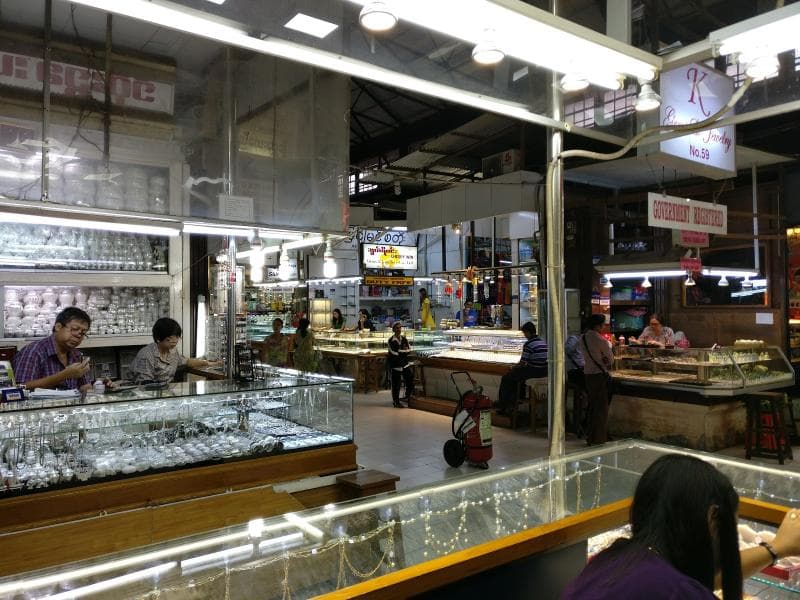
Discover Longyi Stores in Yangon, Myanmar's Bogyoke Aung San Market, exploring the history, cultural significance, and unique patterns of this national attire.
Overview
Deep within the bustling heart of Yangon, Myanmar, lies Bogyoke Aung San Market, a historical landmark often referred to by its former name, Scott's Market. More than just a marketplace, it is a vibrant cultural tapestry where local life and rich heritage converge. Among its myriad offerings, the Longyi Stores stand out as a central attraction, drawing curious travelers and locals alike. These dedicated sections, or sometimes entire shops, specialize in the national attire of Myanmar, the longyi, offering a tangible connection to the country's identity. The market itself, characterized by its colonial architecture and charming cobblestone streets, provides a picturesque setting for exploring these traditional textile treasures.
History & Cultural Background
Bogyoke Aung San Market dates back to 1926, established during British colonial rule and originally known as Scott's Market, named after the British Civil Servant James George Scott. After Myanmar gained independence in 1948, it was renamed in honor of General Aung San, a revered national hero. The longyi, the garment central to these stores, is far more than just clothing; it is Myanmar's national costume and a powerful symbol of its cultural identity and tradition. Though sometimes likened to a sarong, the modern longyi, a single piece of cylindrical cloth, gained widespread popularity during the British colonial era, gradually replacing older garments like the men's paso and women's htamein. However, it continues to embody the spirit of those traditional wraps, evolving into the comfortable and versatile attire seen today.
What Makes It Special
The Longyi Stores within Bogyoke Aung San Market offer an unparalleled selection of this iconic garment, making it one of the best places in Yangon to purchase longyis. Visitors are met with a riot of colors and patterns, from the sturdy cotton versions worn daily to exquisite silks reserved for special occasions. Men's longyis, known as pasoe, often feature stripes, checks, or solid colors, while women's longyis, or htamein, boast more vibrant, multi-colored, and floral designs. The market provides an authentic experience where friendly vendors are often happy to help visitors understand the different styles and even assist with fitting. Beyond ready-made longyis, many stalls also sell fabric by the bolt, allowing travelers to select their preferred textile and have it tailored on the spot, offering a truly personalized souvenir.
Stories, Fun Facts & Local Details
Wearing a longyi is an art form in itself. Men typically secure their pasoe by folding the fabric and tying a knot in the front, while women tuck theirs into a black waistband called a 'htet sint'. This elegant method of wearing means no need for buttons or zippers, making the longyi remarkably comfortable and practical for Myanmar's warm and humid climate, often described as offering 'natural A/C'. The diversity of patterns often reflects regional identities; for example, specific weaving techniques and motifs might signify the origin of the fabric from different ethnic groups, such as the bold diamond patterns of Kachin textiles or the softer floral motifs from Inle Lake. For ceremonial events, elaborate silk longyis known as 'acheik', featuring intricate wave or houndstooth patterns, are highly prized and often worn by brides and grooms in matching colors. Visitors may also notice how longyis can be hitched up (paso hkadaung kyaik) for greater freedom of movement during activities like playing chinlone, a traditional sport.
Visitor Perspective
Exploring the Longyi Stores at Bogyoke Aung San Market is a sensory journey. The air is often filled with the soft rustle of fabrics, the friendly chatter of vendors, and the occasional rhythmic click-clack of looms. It's a place where you can touch the varied textures of cotton, silk, and other materials, and appreciate the meticulous craftsmanship. Many visitors find the experience of selecting a longyi, perhaps even trying one on, to be a highlight of their trip, providing a deeper connection to Burmese culture. Bargaining, while not aggressive, is a common practice and can add to the authentic market experience. Whether seeking a unique souvenir, a practical garment for temple visits, or simply wishing to immerse oneself in local traditions, the Longyi Stores offer an insightful and enjoyable glimpse into the enduring cultural pride of Myanmar.
Coordinates: 96.15553, 16.78021
View on Google Maps💬 How Travelers Describe This Place
Based on community votes
Photogenic
963Unique
897Beautiful
481Interesting
463Must See
196
Traveler Stories
Discover memorable experiences shared by travelers who have visited this place.
No traveler stories yet.
Be the first traveler to share what made this place memorable.

Tour
By
Spot
Discover amazing places around the world. Your journey starts here.
Explore
© 2026 TourBySpot. All rights reserved.