Bastejkalns Park
Riga, Latvia
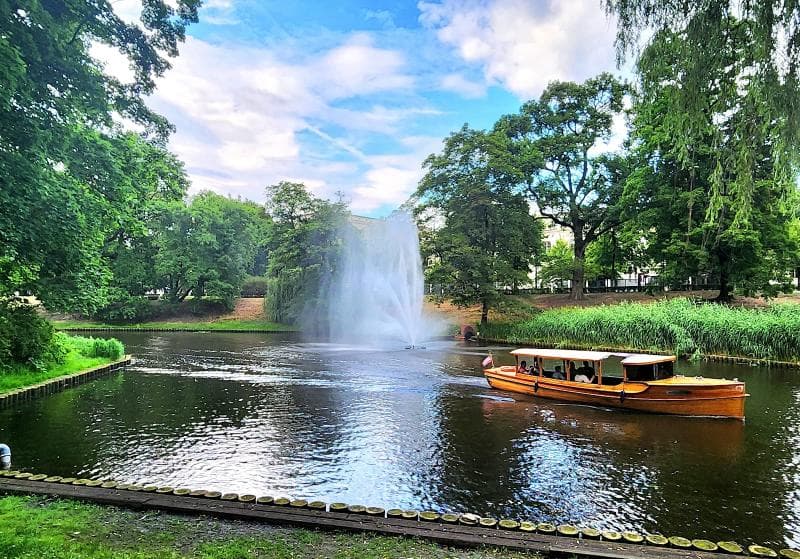
Explore Bastejkalns Park in Riga, Latvia – a historic green oasis with picturesque canals, charming bridges, and poignant memorials. Discover its beauty and history.
Overview
Nestled on the northern edge of Riga's historic Old Town, Bastejkalns Park is a picturesque urban green space that seamlessly blends nature with rich history. Known affectionately as Bastion Hill, this park offers a tranquil escape with its winding paths, lush greenery, and the serene City Canal flowing through its heart. It serves as a beloved spot for both locals and travelers seeking a peaceful stroll or a moment of reflection amidst the bustling Latvian capital.
The park's design incorporates gentle slopes, charming bridges, a cascading waterfall, and diverse flora, making it a visual delight throughout the seasons. Conveniently located near significant landmarks like the Freedom Monument, Bastejkalns Park acts as a green corridor, connecting various points of interest while providing a refreshing natural haven.
History & Cultural Background
Bastejkalns Park occupies what was once a crucial part of Riga's defensive fortifications. Until 1856, the area consisted of earthen ramparts, covered trenches, bastions, and moats, forming the eastern bulwarks of the Riga Fortress.
The mid-19th century marked a transformative period for Riga, as its medieval fortifications were largely demolished to make way for urban development and green spaces. In 1856, the 'Sand Bastion' was replaced, leading to the creation of what was then known as Basteiberg or Bastion Hill.
The significant redesign and beautification of the area began in earnest around 1859, with the planting of the first trees and flowers. Landscape architect Georg Kuphaldt played a pivotal role in shaping the park's appearance between 1859 and 1887, introducing new walking paths, gardens, and water features. His vision included the construction of the iconic waterfall cascade from Saulkalne dolomite in 1898, which remains a key attraction today.
Beyond its natural beauty, Bastejkalns holds profound cultural significance. It is home to memorial stones dedicated to the victims who died in January 1991 during the Soviet 'Black Beret' OMON deployments, a poignant reminder of Latvia's struggle for independence.
What Makes It Special
What truly sets Bastejkalns Park apart is its harmonious blend of natural charm and historical layers. The meandering City Canal, once a defensive moat, now offers serene boat rides during warmer months, providing unique perspectives of the park and Old Town.
The park is adorned with picturesque bridges, some famously decorated with 'lovers' locks,' a tradition believed to bring long life and happiness to newly married couples. The artificial waterfall, built into the hill, adds a calming soundtrack to the surroundings and is a testament to the park's thoughtful design.
Another endearing feature is the presence of a special swan house along the canal, where swans and ducks often gather, enchanting visitors with their graceful presence. The park's diverse collection of trees, including hawthorn, poplar, hornbeam, and yew, contributes to its tranquil and verdant atmosphere.
Stories, Fun Facts & Local Details
- The Swan Legacy: The park's beloved swans were originally a gift to the City Garden Committee in 1893 from the Riga Bird Breeding Society. Architect Heinrich Scheel designed their unique pseudo-swan-style house, which was placed on pontoons along the canal.
- A Bridge of Laughter: An earlier wooden bridge built in 1883 over the canal was so steep that people would often slip on it in winter, earning it the ironic nickname among Riga inhabitants. It was later replaced by a more durable masonry bridge in 1893.
- Witness to History: The park's memorial stones commemorate the tragic events of January 1991 when Soviet special forces attacked key buildings in Riga. Civilians, journalists, and a policeman were among those killed, with cameramen reportedly hiding in the park to film the events.
- The Little Lover's Bridge: Among the various bridges, one is particularly known for the tradition of 'love locks,' making it a popular spot for couples to symbolize their lasting affection.
Visitor Perspective
For any traveler, Bastejkalns Park offers a delightful sensory experience. The gentle murmur of the waterfall, the rustling of leaves in the ancient trees, and the occasional quack of a duck create a serene ambiance ideal for relaxation.
Visitors can enjoy leisurely walks along its extensive pathways, find a quiet bench for reading, or simply soak in the natural beauty. The elevated sections of the park provide excellent vantage points, offering charming views across the canal towards Old Town and surrounding cityscapes.
During warmer months, canal boat tours are a popular way to experience the park from a different perspective, gliding past its verdant banks and under its historic bridges. The park's central location, just a short walk from Riga's Old Town and the Freedom Monument, makes it an easily accessible and essential stop on any itinerary, providing a peaceful interlude in the heart of the city.
Coordinates: 24.11111, 56.95189
View on Google Maps💬 How Travelers Describe This Place
Based on community votes
Must See
995Unique
929Photogenic
858Beautiful
730Interesting
275
Traveler Stories
Discover memorable experiences shared by travelers who have visited this place.
No traveler stories yet.
Be the first traveler to share what made this place memorable.
Things to see at Bastejkalns Park



Tour
By
Spot
Discover amazing places around the world. Your journey starts here.
Explore
© 2026 TourBySpot. All rights reserved.