Riga Canal
Riga, Latvia
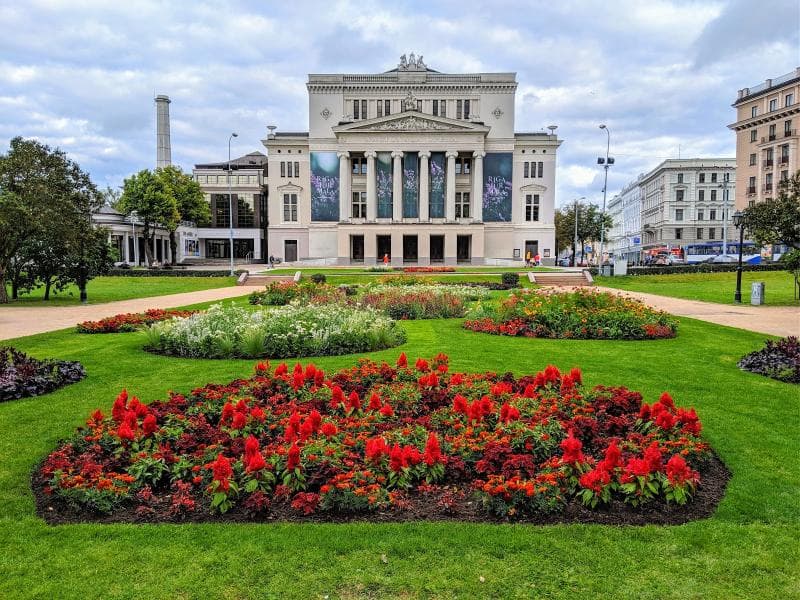
Explore Riga Canal within Bastejkalns Park in Riga, Latvia. Discover its history as a defensive moat, serene landscapes, and unique boat tours.
Overview
Nestled in the heart of Riga, Latvia, the Riga Canal, or Pilsētas Kanāls as it's known locally, offers a tranquil escape amidst the city's vibrant energy. This picturesque waterway gracefully encircles Riga's Old Town, forming a crucial part of the sprawling Bastejkalns Park (Bastion Hill Park). At approximately 3.2 kilometers in length and about 2 meters deep, the canal connects to the Daugava River at both ends, creating a serene watery loop that defines the historic city center. More than just a scenic feature, the canal, alongside the park, acts as a green lung for the city, inviting both locals and travelers to pause, reflect, and enjoy nature's embrace. Visitors can explore its winding paths, admire the elegant bridges, and even embark on a peaceful boat tour to see Riga from a unique, water-level perspective.
History & Cultural Background
The Riga Canal's origins are deeply rooted in the city's defensive past. What we see today as a tranquil canal was once a vital part of Riga's medieval fortifications – a defensive moat that protected the city walls from invaders. For centuries, this moat, along with earth ramparts and bastions, formed an essential protective barrier.
However, by the mid-19th century, with advancements in artillery, these fortifications became obsolete and restrictive to the city's growth. In 1856, Emperor Alexander II ordered the demolition of the defensive structures. Instead of leaving an empty space, the city embarked on a visionary transformation. The defensive moat was not filled in but was instead reshaped and deepened to become the scenic Riga Canal, while the earth from the demolished ramparts was used to create the gentle slopes of Bastejkalns Park. Landscape architect Georg Kuphaldt played a significant role in overseeing this remarkable transformation between 1859 and 1887, designing the paths, gardens, and water features that define the park today. This decision not only removed an outdated military barrier but ingeniously repurposed it into a beloved public green space, symbolizing a shift from conflict to peaceful recreation.
What Makes It Special
The Riga Canal and Bastejkalns Park stand out as a harmonious blend of urban planning, natural beauty, and historical legacy. It's a serene green oasis, providing a quiet respite from the city's bustle, making it a truly special place. The canal itself, once a stark defensive barrier, now acts as a unifying thread, gracefully separating and connecting Old Riga with the newer parts of the city. Its banks are adorned with meticulously maintained flowerbeds, charming stone bridges, and gentle cascades, creating a picturesque landscape that changes with the seasons. The canal's unique position, encircling the UNESCO-listed Old Town, means that a journey along its waters offers unparalleled views of Riga's most iconic landmarks and historical architecture. It's a place where the echoes of history meet the tranquility of nature, inviting visitors to immerse themselves in Riga's enduring charm.
Stories, Fun Facts & Local Details
The very name 'Bastejkalns' translates to 'Bastion Hill', a delightful reminder of the park's past as a formidable defensive bastion. This peaceful setting was once a scene of military strategy, highlighting the city's ability to transform its past into a vibrant present. A charming local detail is the 'Love Lock Bridge' crossing the canal, adorned with countless padlocks left by couples as symbols of their enduring affection. Furthermore, the canal essentially forms a natural 'island' that encompasses Vecrīga, or Old Riga, making the historic core literally surrounded by water. The transformation of the area was remarkably swift; a pavilion with a cafe, known for a time as the Viennese Coffee House, appeared on the hill as early as 1860, underscoring the immediate embrace of this new public space. The canal banks were notably restored in 2001, ensuring its continued beauty and accessibility for future generations.
Visitor Perspective
For the curious traveler, the Riga Canal in Bastejkalns Park offers a multitude of enriching experiences. It's an ideal spot for a leisurely stroll, a relaxing picnic on one of its many benches or grassy areas, or simply a moment of quiet contemplation amidst the greenery. The park is easily accessible from Riga's Old Town and is conveniently located near the iconic Freedom Monument. Photography enthusiasts will find endless opportunities to capture its scenic beauty, from water reflections to autumnal colors. One of the most popular ways to experience the canal is by taking a canal boat tour, which offers an hour-long journey revealing the city's landmarks from a unique water perspective, often accompanied by audio guides. During warmer months, paddleboat rentals also provide a fun and active way to explore the waterway. The park is also thoughtfully designed to be wheelchair accessible, with paved pathways and ramps, ensuring that everyone can enjoy its charm.
Coordinates: 24.10589, 56.946
View on Google Maps💬 How Travelers Describe This Place
Based on community votes
Must See
517Beautiful
422Unique
394Interesting
269Photogenic
145
Traveler Stories
Discover memorable experiences shared by travelers who have visited this place.
No traveler stories yet.
Be the first traveler to share what made this place memorable.

Tour
By
Spot
Discover amazing places around the world. Your journey starts here.
Explore
© 2026 TourBySpot. All rights reserved.