Flower Gardens
Riga, Latvia
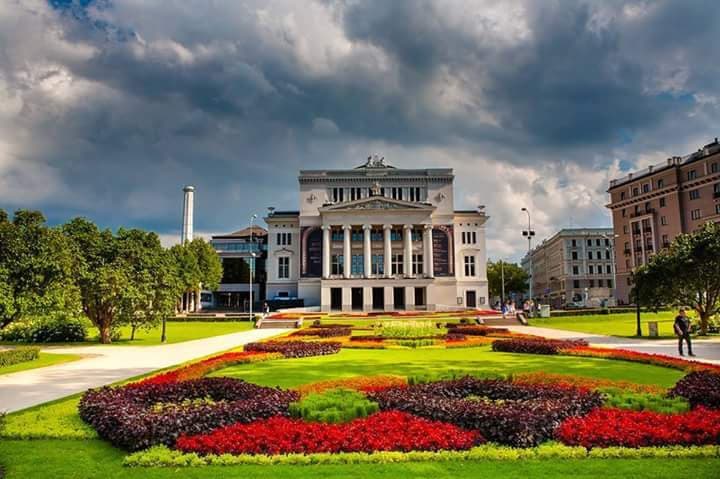
Discover the vibrant Flower Gardens within Bastejkalns Park, Riga, Latvia. Explore a historical green oasis with colorful blooms, tranquil canals, and charming pathways.
Overview
Nestled along the eastern edge of Riga's historic Old Town, Bastejkalns Park emerges as a verdant sanctuary, offering a peaceful escape from the city's lively pulse. More than just a park, it's a living canvas where history, nature, and urban design intertwine. While the entire park is a delight, its 'Flower Gardens'—a collection of vibrant flowerbeds and meticulously maintained green spaces—are a particular highlight, inviting visitors to pause and appreciate Riga's horticultural beauty. This cherished green belt, embracing the winding City Canal, presents a picturesque landscape of terraced lawns, charming footbridges, and gentle cascades, making it an essential stop for any traveler seeking both tranquility and scenic splendor in the Latvian capital.
History & Cultural Background
Bastejkalns Park carries a rich history, its very existence rooted in Riga's past as a fortified city. In the mid-19th century, the city's ancient defensive ramparts, including the formidable 'Sand Bastion,' were deemed obsolete. Instead of preserving these military structures, city authorities made the visionary decision to dismantle them and transform the land into a public park. This monumental undertaking began in 1859 with the planting of the first trees and flowers, marking the birth of Bastejkalns, or 'Bastion Hill' in Latvian, a name that echoes its martial origins. A significant figure in this transformation was landscape architect Georg Kuphaldt, who oversaw much of the park's design between 1859 and 1887. His work shaped the park's romantic aesthetic, introducing winding paths, carefully curated garden areas, and beautiful water features, including the famed waterfall cascade, which was designed in 1898. The park's development continued through the 19th and 20th centuries, ensuring its role as a vital green lung for the city and a testament to Riga's evolving urban landscape.
What Makes It Special
The Flower Gardens within Bastejkalns Park are a testament to meticulous landscape design and a continuous celebration of nature's artistry. These are not confined to a single, isolated area, but rather are integrated throughout the park's winding pathways and scenic overlooks. A prominent feature is the formal rose garden, which bursts into bloom from June to September, showcasing over 100 varieties of roses, offering a captivating display of colors and fragrances. Beyond the roses, visitors encounter numerous flowerbeds that 'burst with color in every season,' creating a dynamic and ever-changing botanical tapestry. These vibrant floral arrangements, often framing the tranquil City Canal, complement the park's other aesthetic elements, such as its stone garden features, artificial waterfalls, and picturesque bridges. The thoughtful placement of these garden elements ensures that beauty is around every corner, transforming a simple stroll into an immersive experience for the senses. The interplay of colorful blooms against the backdrop of mature trees and historical remnants creates a unique atmosphere, where natural beauty and cultural heritage blend seamlessly.
Stories, Fun Facts & Local Details
Beyond its visual charm, Bastejkalns Park is rich with charming details and local stories that enhance its appeal. One enduring and romantic tradition involves the 'love lock bridge' where couples affix padlocks, symbolizing their unbreakable bond and hopes for a long life and happiness together. This heartwarming sight adds a touch of modern romance to the park's historical setting. Another delightful feature is the presence of swans and ducks that grace the City Canal. The park even boasts a specially designed swan house, reflecting the city's care for these elegant residents, which were first introduced to the park in 1893 as a gift from the Society of Bird Breeders. It's a small detail, but seeing these majestic birds glide across the water adds to the park's serene and romantic ambiance. Furthermore, the name 'Bastejkalns' itself, meaning 'Bastion Hill,' serves as a constant reminder of the park's transformation from defensive fortifications to a place of peace and beauty, offering a historical narrative to every visitor.
Visitor Perspective
For the curious traveler, visiting the Flower Gardens of Bastejkalns Park offers an experience that is both visually rewarding and deeply calming. It's a place where one can truly slow down, whether for a morning walk, an afternoon picnic, or a reflective moment amidst a busy sightseeing schedule. The accessibility of the park, being open 24 hours a day and free of charge, allows for spontaneous visits at any time. Strolling along the winding paths, admiring the intricate flower arrangements, and listening to the gentle murmur of the cascades provides a refreshing contrast to the grandeur of Riga's architectural wonders. The park's proximity to major landmarks like the Freedom Monument makes it an ideal spot for a leisurely break, seamlessly integrating nature into an urban exploration. It offers a sensory journey, from the visual delight of vibrant blooms to the gentle sounds of water and birds, creating an inviting atmosphere that beckons travelers to linger and soak in the tranquil beauty of Riga's green heart.
Coordinates: 24.11111, 56.95167
View on Google Maps💬 How Travelers Describe This Place
Based on community votes
Interesting
950Must See
929Unique
858Photogenic
287Beautiful
275
Traveler Stories
Discover memorable experiences shared by travelers who have visited this place.
No traveler stories yet.
Be the first traveler to share what made this place memorable.

Tour
By
Spot
Discover amazing places around the world. Your journey starts here.
Explore
© 2026 TourBySpot. All rights reserved.