Love Bridge
Riga, Latvia
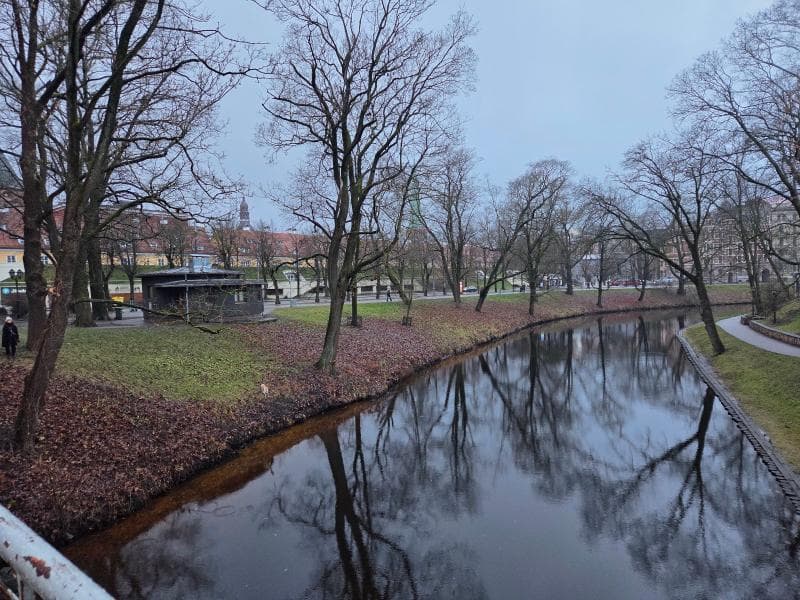
Discover Riga's romantic Love Bridge in Bastejkalns Park, Latvia. Adorned with countless locks, it symbolizes eternal love amidst historical charm and scenic beauty.
Overview
Nestled within the verdant embrace of Bastejkalns Park in Riga, Latvia, lies a charming pedestrian crossing affectionately known as the Love Bridge. This seemingly unassuming bridge, gracefully arching over the picturesque city canal, has blossomed into a poignant symbol of enduring affection. It is adorned with countless padlocks, each bearing the hopes and vows of lovers and newlyweds from around the world. More than just a pathway, the Love Bridge is a vibrant testament to personal stories, cultural traditions, and the universal language of romance, offering a tranquil escape in the heart of Riga's bustling city center. The bridge is an integral part of Bastejkalns Park, an urban oasis strategically situated between Riga's historic Old Town and the elegant Art Nouveau district.
History & Cultural Background
To truly appreciate the Love Bridge, one must understand the rich historical tapestry of its setting. Bastejkalns Park, also known as Bastion Hill Park, boasts a history that stretches back to the 13th century, when the area formed an integral part of Riga's formidable medieval fortifications. These defensive structures, including earthwork ramparts and moats, protected the city for centuries.
In the mid-19th century, with the city's fortifications no longer militarily significant, a visionary urban beautification project began. Around 1856, the old ramparts were thoughtfully dismantled, and the land was transformed into the lush green space visitors enjoy today. The park's distinctive undulating shape is a direct result of reshaping these former defensive earthworks. Landscape architect Georg Kuphaldt played a pivotal role in the park's redesign between 1859 and 1887, overseeing the creation of winding paths, gardens, and beautiful water features, including the meandering city canal and its bridges. The canal itself traces the line of the former defensive moat. The pedestrian bridge that hosts the love locks was part of these later developments, with a wooden predecessor built in 1883, which was then replaced by a more durable stone bridge in 1892.
What Makes It Special
What makes the Love Bridge truly special is the enchanting tradition of 'love locks.' Couples, particularly newlyweds, visit this specific bridge to affix padlocks to its railings, symbolizing their enduring love and commitment. This practice transforms a simple architectural feature into a living monument of affection, with each lock representing a unique story and a shared promise. The visual spectacle of hundreds, if not thousands, of locks of all shapes, sizes, and colors glinting in the sunlight or against the park's greenery is a unique and picturesque sight. It creates a tangible, evolving artwork that reflects the countless romantic narratives passing through Riga.
Stories, Fun Facts & Local Details
In Latvia, the Love Bridge plays a significant role in local wedding traditions, particularly for newly married couples. It's considered a deeply cherished custom and a symbol of good luck to visit one of Riga's bridges, especially the one in Bastejkalns Park. The tradition often involves the groom carrying his bride over the bridge, a symbolic gesture before they attach a padlock—frequently inscribed with their names and wedding date—to the railings. The key is then ceremoniously thrown into the canal below, signifying an unbreakable bond and a wish for a long, happy, and prosperous life together. This act is believed to seal their love eternally. While the practice of love locks is globally widespread, some believe its modern resurgence can be traced back to an old Serbian tale of tragic love from Vrnjačka Banja. Interestingly, city authorities sometimes clear bridges of these locks due to weight concerns, as seen in other cities globally. Beyond the Love Bridge, Bastejkalns Park also features a stunning waterfall cascade, various sculptures, a charming swan house for the park's resident waterfowl, and memorials commemorating Latvia's struggle for independence in 1991.
Visitor Perspective
For the curious traveler, the Love Bridge and its surrounding Bastejkalns Park offer a delightful and easily accessible experience. Its central location makes it incredibly convenient, just a short and pleasant stroll from Riga's historic Old Town and directly adjacent to the iconic Freedom Monument. This accessibility allows visitors to seamlessly incorporate a moment of romance and history into their exploration of Riga's main landmarks. Visitors can wander along the tranquil canal paths, breathe in the fresh air, and take a moment to admire the myriad of locks, each silently whispering a story of love and hope. The park's well-maintained paths, lush greenery, and calming water features create a perfect backdrop for a leisurely walk, a peaceful picnic, or simply quiet contemplation, making it a beloved retreat from the urban bustle.
Coordinates: 24.11042, 56.95189
View on Google Maps💬 How Travelers Describe This Place
Based on community votes
Beautiful
556Interesting
470Photogenic
410Unique
254Must See
145
Traveler Stories
Discover memorable experiences shared by travelers who have visited this place.
No traveler stories yet.
Be the first traveler to share what made this place memorable.

Tour
By
Spot
Discover amazing places around the world. Your journey starts here.
Explore
© 2026 TourBySpot. All rights reserved.