Freedom Monument Access
Riga, Latvia
Explore Riga's Freedom Monument, a powerful symbol of Latvian independence in Bastejkalns Park. Discover its history, symbolism, and visitor experience.
Overview
The Freedom Monument, or 'Brīvības piemineklis' in Latvian, stands proudly in the heart of Riga, Latvia, acting as a profound symbol of the nation's enduring spirit of independence and liberty. Soaring to a height of approximately 42.7 meters (140 feet), this impressive structure is crafted from a combination of granite, travertine, and copper. At its apex, a copper figure of Liberty, affectionately known as 'Milda' by locals, holds aloft three gilded stars, representing Latvia's three historical regions: Kurzeme, Vidzeme, and Latgale. The monument is centrally located on Brīvības bulvāris (Freedom Boulevard), near Riga's Old Town, making it a natural focal point for both public gatherings and official ceremonies. Its base bears the powerful inscription, 'Tēvzemei un Brīvībai' – 'For the Fatherland and Freedom'.
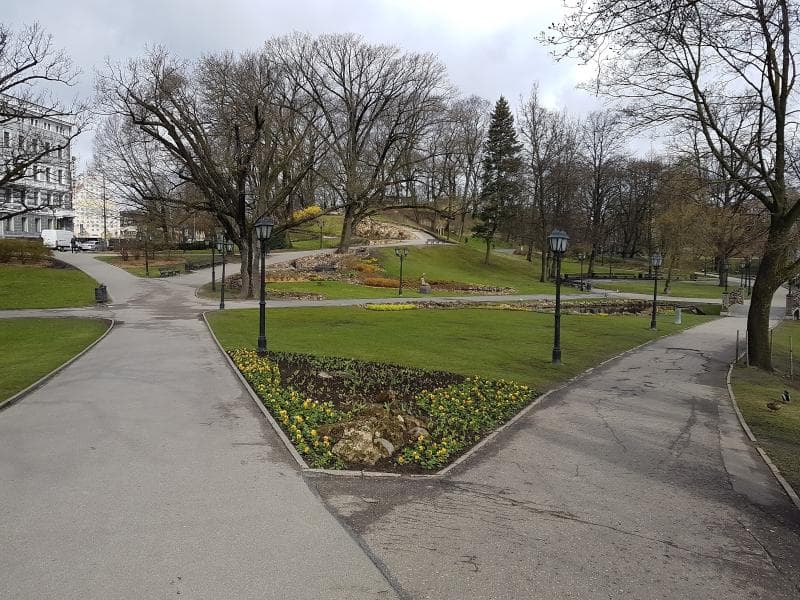
Surrounded by the serene greenery of Bastejkalns Park, the Freedom Monument offers a tranquil yet powerful experience for visitors. The area around the monument has been thoughtfully pedestrianized, providing a peaceful space for contemplation and admiration. It serves as more than just a landmark; it is a testament to the country's turbulent history and the unyielding resolve of its people.
History & Cultural Background
The idea for a monument commemorating Latvia's hard-won independence emerged in the 1920s, shortly after the Latvian War of Independence (1918-1920). Designed by the acclaimed Latvian sculptor Kārlis Zāle and architect Ernests Štālbergs, the monument's construction began in 1931 and was entirely financed by public donations, underscoring its deep connection to the Latvian people. It was ceremoniously unveiled on November 18, 1935, on the 17th anniversary of the Republic of Latvia's proclamation.
Its journey through history is as compelling as its design. During the subsequent Soviet occupation from 1940, the Freedom Monument faced the threat of demolition, but it ultimately endured. Soviet authorities, recognizing its profound importance to the Latvian people, opted to reinterpret its symbolism rather than destroy it. The three stars, originally representing Latvia's regions, were falsely claimed to symbolize the three Baltic Soviet Republics held aloft by 'Mother Russia'. Despite this reinterpretation and strict prohibitions against gathering, the monument remained a silent yet potent symbol of national independence and resistance. It famously became a focal point for mass demonstrations during the National Awakening in the late 1980s, playing a crucial role in Latvia's eventual re-establishment of independence in 1991.
What Makes It Special
What truly sets the Freedom Monument apart is its rich tapestry of symbolism woven into its architecture and sculpture. It features 56 sculptures, arranged in 13 groups across four levels, each depicting significant events, personalities, and fundamental values of Latvian history and culture. The base level, for instance, symbolizes the nation's work ethic, spiritual strength, and its aspirations for independence, with reliefs like 'Latvian Riflemen' and 'Latvian People: the Singers'. Higher up, figures representing 'Chain Breakers', 'Lāčplēsis' (an epic Latvian folk hero), and 'Vaidelotis' (a Baltic pagan priest) evoke the nation's ideals and struggle for freedom. This intricate sculptural narrative transforms the monument into a living history book, telling Latvia's story in stone and metal.
Stories, Fun Facts & Local Details
The monument is steeped in local lore and traditions. The figure of Liberty is often affectionately called 'Milda', reflecting the personal connection Latvians feel towards this representation of their freedom. A poignant aspect of its history during Soviet rule is the quiet defiance shown by citizens who would leave flowers at its base, an act strictly forbidden at the time and sometimes leading to arrest. Today, the tradition of laying flowers continues, especially on significant national dates such as June 14 (Deportation Day) and November 18 (Independence Day), serving as a powerful, peaceful tribute. There is also an amusing story suggesting that during World War II, when Soviet forces considered destroying the monument, Riga's then-mayor allegedly saved it by declaring it unsafe for traffic and subsequently pedestrianizing the area around it, effectively protecting it from destruction. Nearby in Bastejkalns Park, a charming local tradition sees newly married couples leave padlocks on bridges, symbolizing long life and happiness.
Visitor Perspective
Visiting the Freedom Monument offers a deeply resonant experience. It's easily accessible on foot from most major attractions in central Riga, situated strategically between the historic Old Town and the city's main boulevards. Adjacent to it, Bastejkalns Park provides a picturesque setting with winding paths, a tranquil canal, charming bridges, and a waterfall, perfect for a leisurely stroll before or after contemplating the monument. One of the most captivating experiences is witnessing the Changing of the Guard ceremony, performed by members of the Latvian National Armed Forces. This precise, dignified ritual takes place hourly from 9:00 AM to 6:00 PM daily, symbolizing ongoing respect for Latvia's independence. The monument itself is open to visitors year-round, 24/7, with no admission fee, allowing everyone to approach and reflect on its profound message of freedom and national identity. Its central location makes it an ideal starting point for exploring Riga's diverse neighborhoods, from the medieval charm of Old Town to the stunning Art Nouveau district.
Coordinates: 24.11324, 56.951464
View on Google Maps💬 How Travelers Describe This Place
Based on community votes
Photogenic
836Must See
287Interesting
255Beautiful
231Unique
86
Traveler Stories
Discover memorable experiences shared by travelers who have visited this place.
No traveler stories yet.
Be the first traveler to share what made this place memorable.

Tour
By
Spot
Discover amazing places around the world. Your journey starts here.
Explore
© 2026 TourBySpot. All rights reserved.