Alte Oper Frankfurt
Frankfurt, Germany
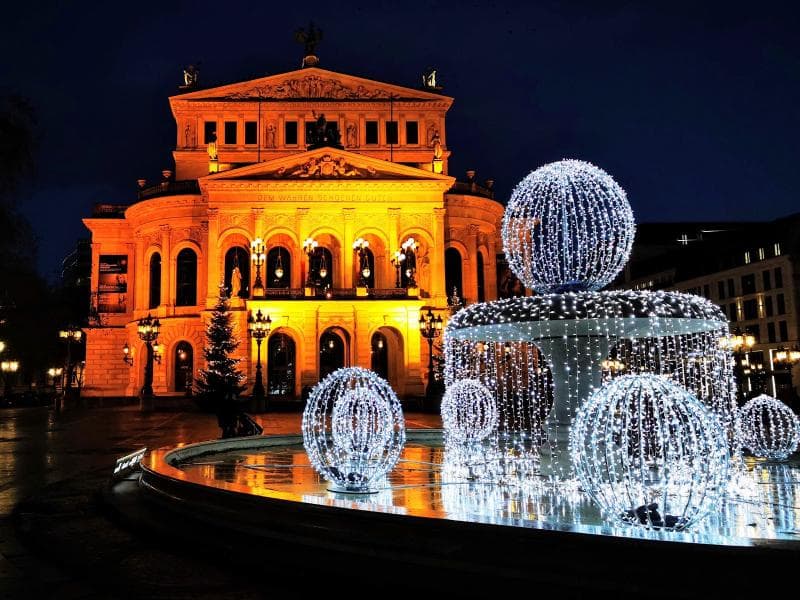
Discover Alte Oper Frankfurt, a historic concert hall in Frankfurt, Germany. Explore its Neo-Renaissance architecture, dramatic history, and diverse events.
Overview
The Alte Oper, or 'Old Opera,' in Frankfurt am Main, Germany, stands today as a magnificent concert and congress center, a vibrant hub of cultural activity. Located on Opernplatz within the city's bustling banking district, it is a prominent landmark instantly recognizable for its grand Neo-Renaissance architecture. Although its name suggests an operatic past, the Alte Oper now primarily hosts an extensive program of classical music concerts, jazz performances, pop events, musicals, and various cultural gatherings. The city's current opera performances take place at the Oper Frankfurt. Annually, the Alte Oper draws between 450,000 and 500,000 visitors to its more than 400 events, showcasing a diverse range of artistic expressions from around the world.
History & Cultural Background
The story of the Alte Oper is one of remarkable resilience and civic pride. Designed by Berlin architect Richard Lucae, construction began in 1873, and the original opera house proudly opened its doors on October 20, 1880. Its creation was largely a testament to the generous support of Frankfurt's citizens, with 67 local businessmen famously donating 480,000 florins to bring the ambitious project to life. The inauguration was a grand affair, attended by none other than Kaiser Wilhelm I, who, legend has it, was so impressed that he remarked, 'I couldn't permit myself this sort of thing in Berlin.'
For six decades, the Alte Oper served as one of Europe's leading opera houses, staging significant premieres, including the world premiere of Carl Orff's 'Carmina Burana' in 1937. However, this golden era came to a tragic end during World War II when the building was severely damaged by Allied bombing raids in March 1944. It lay in ruins for many years, famously becoming known as 'Germany's most beautiful ruin.' Plans for its demolition emerged in the 1960s, with one minister, Rudi Arndt, even earning the nickname 'Dynamit-Rudi' for suggesting its destruction. Fortunately, a powerful citizens' initiative rallied for its preservation and reconstruction, raising a substantial 15 million DM. Thanks to these persistent efforts, the painstaking rebuilding process began, culminating in its reopening as a concert and congress center on August 28, 1981, marking a new chapter in its storied existence.
What Makes It Special
Beyond its dramatic history, the Alte Oper is special for its stunning architecture and its continued role as a premier cultural institution. The building is a magnificent example of Neo-Renaissance style, characterized by its ornate façade, intricate details, and classical sculptures. Architecturally, it comprises two nested structures: a central core housing the main performance spaces and a shell building that forms its iconic exterior with its distinctive balustrade.
Internally, the Alte Oper offers versatile spaces, most notably the Großer Saal (Grand Hall), which can accommodate nearly 2,500 guests and is celebrated for its exceptional acoustics. For more intimate performances and events, the Mozart Saal provides seating for up to 700. Despite its historic appearance, the venue boasts state-of-the-art event technology, allowing it to host a wide array of events from grand classical concerts to congresses, galas, and balls. This blend of historical grandeur and modern functionality positions the Alte Oper as a dynamic cultural hub, offering diverse programming that includes world-class classical music, jazz, pop, and popular festivals like Fratopia and Urban Vibe, ensuring there is always something captivating for every taste.
Stories, Fun Facts & Local Details
The Alte Oper is rich with compelling narratives and local charm. The enduring nickname, 'Germany's most beautiful ruin,' eloquently captures the sentiment and enduring affection Frankfurt's citizens held for the bomb-damaged structure after World War II. It speaks to a deep connection that ultimately spurred its rebirth. The story of Kaiser Wilhelm I's awe upon its initial opening also underscores its immediate impact and architectural splendor.
Perhaps the most heartwarming detail is the extraordinary civic engagement that has shaped the Alte Oper throughout its history. From its initial funding by wealthy Frankfurter citizens in the 19th century to the persistent efforts of a citizens' initiative that raised millions for its reconstruction in the post-war era, the building is a testament to the community's unwavering commitment to culture. This tradition continues today, with local groups supporting its ongoing operations. The square outside, Opernplatz, remains a lively gathering spot, often adorned with statues of cultural giants like Goethe and Mozart, adding to the venue's classical ambiance. The Alte Oper purposefully fosters an 'open house' philosophy, actively inviting diverse audiences and backgrounds to experience its rich cultural offerings.
Visitor Perspective
For any curious traveler, the Alte Oper offers a memorable experience. Whether you are attending a world-class concert or simply admiring its majestic exterior, the building itself is a powerful attraction. Visitors can explore its public areas, appreciate its grand architecture, and soak in the cultural atmosphere of Opernplatz. Guided tours are available, providing a fascinating behind-the-scenes look at the venue, revealing hidden spaces such as the conductor's pre-performance room or the storage for grand pianos. These tours offer unique insights into the operational complexities of a leading concert hall and its rich history.
Located centrally, the Alte Oper is easily accessible, with the 'Alte Oper' U-Bahn station conveniently nearby. The surrounding Opernplatz is a vibrant area ideal for strolling, people-watching, and enjoying a coffee or meal at one of the adjacent cafes or restaurants. For those attending events, the venue typically opens one hour before performances, and tickets can be purchased online or at the box office. The Alte Oper welcomes a wide demographic, even offering special programs like 'Under 25 – 10 euros' to encourage younger audiences. There is no strict dress code; visitors are encouraged to dress comfortably, whether in casual attire or elegant evening wear. The emphasis is on experiencing the music and the unique ambiance this historic and modern cultural gem provides.
Coordinates: 8.67191599824423, 50.11619355221302
View on Google Maps💬 How Travelers Describe This Place
Based on community votes
Photogenic
934Unique
879Interesting
741Must See
482Beautiful
396
Traveler Stories
Discover memorable experiences shared by travelers who have visited this place.
No traveler stories yet.
Be the first traveler to share what made this place memorable.
Things to see at Alte Oper Frankfurt



Tour
By
Spot
Discover amazing places around the world. Your journey starts here.
Explore
© 2026 TourBySpot. All rights reserved.