Grand Hall
Frankfurt, Germany
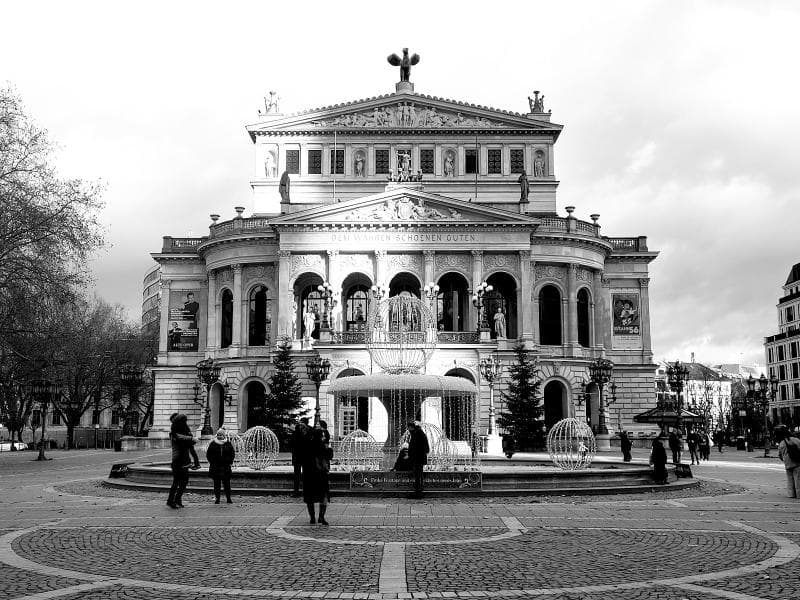
Discover the Grand Hall (Großer Saal) at Alte Oper Frankfurt, Germany – a historic concert venue rebuilt to perfection, offering superb acoustics.
Overview
The Grand Hall, known locally as the 'Großer Saal', stands as the magnificent heart of the Alte Oper Frankfurt, a prominent cultural landmark nestled in the bustling city of Frankfurt, Germany. Once the city's grand opera house, this splendid venue has been reborn as a world-class concert and congress center following its meticulous reconstruction after the devastation of World War II. It is no longer an opera house, with a new opera house established elsewhere, but instead serves as a vibrant hub for an eclectic array of events, ranging from classical music concerts and jazz performances to major congresses, elegant galas, and sophisticated balls. The Großer Saal, in particular, is celebrated for its exceptional acoustics and its remarkable versatility, making it a pivotal destination for both local residents and international visitors seeking profound cultural experiences.
History & Cultural Background
The story of the Alte Oper, and by extension its Grand Hall, begins in the late 19th century. Conceived by the Berlin architect Richard Lucae, the original opera house first opened its doors on October 20, 1880, a momentous occasion even graced by Emperor Wilhelm I. The construction of this architectural marvel was largely made possible through the generous financial contributions of Frankfurt's citizens, a testament to the city's deep appreciation for culture and the arts. For over six decades, it served as one of Germany's most important opera houses, hosting numerous significant premieres, including Carl Orff's renowned 'Carmina Burana' in 1937. Tragically, the building suffered extensive damage during the air raids of March 1944, leaving it in ruins, famously dubbed 'Germany's most beautiful ruin'. However, the spirit of Frankfurt's citizens prevailed; a persistent citizens' initiative championed its reconstruction. After decades of tireless effort and fundraising, the building was finally reopened on August 28, 1981, marking a new chapter as the 'Alte Oper Frankfurt Concert and Congress Centre'.
What Makes It Special
The Grand Hall's primary distinction lies in its superb acoustics, often highlighted as being among the finest globally. This acoustic excellence is largely attributed to its meticulously crafted mahogany paneling, which ensures rich and clear sound distribution across all four levels of the hall. With a seating capacity of up to 2,400 to 2,500 guests, the Großer Saal is the largest venue within the Alte Oper. Beyond its acoustic prowess, the hall is a masterpiece of architectural design, with its Neo-Renaissance exterior faithfully rebuilt to reflect its original grandeur, while the interior boasts modern, state-of-the-art event technology. Its flexible spatial concepts allow it to transform for various event types, from traditional row seating for concerts to banquet setups for galas and conferences, showcasing its remarkable versatility as a multipurpose complex.
Stories, Fun Facts & Local Details
Upon its original opening in 1880, Kaiser Wilhelm I, deeply impressed by the new opera house, reportedly exclaimed, 'Das könnte ich mir in Berlin nicht erlauben' (I couldn't permit myself this sort of thing in Berlin), a famous anecdote that underscores the building's original splendor and the ambition of Frankfurt's citizenry. The path to its rebirth after WWII was not without controversy; at one point, the then Minister of Economy in Hesse, Rudi Arndt, earned the nickname 'Dynamit-Rudi' for suggesting the ruins be blown up to make way for modern buildings, a plan thankfully averted by public outcry and citizen action. The ongoing support of Frankfurt's citizens, from initial funding to the arduous reconstruction, remains a cornerstone of the Alte Oper's enduring legacy. Today, the Alte Oper hosts approximately 460 diverse events annually, maintaining its role as a vibrant cultural force in the city.
Visitor Perspective
For the curious traveler, a visit to the Grand Hall within the Alte Oper Frankfurt offers more than just a performance; it's an immersive journey into a blend of historical resilience and contemporary artistic expression. Visitors can anticipate experiencing world-class classical music, captivating jazz, and engaging pop performances within a truly magnificent setting. Guided tours are available for those who wish to explore its architectural nuances and delve deeper into its storied past without attending a performance. While there isn't a strict dress code, many attendees opt for formal attire for evening events, adding to the sophisticated atmosphere. During intermissions, bars within the building offer refreshments, perfect for reflecting on the performance. It's worth noting that photography and recording are generally not permitted during performances to respect copyright and the experience of others. Conveniently located on Opernplatz, the Alte Oper is easily accessible via public transportation, including U-Bahn and S-Bahn, and is surrounded by other attractions, making it an ideal cultural stop in Frankfurt.
Coordinates: 8.67194, 50.11583
View on Google Maps💬 How Travelers Describe This Place
Based on community votes
Photogenic
958Interesting
794Must See
785Unique
571Beautiful
546
Traveler Stories
Discover memorable experiences shared by travelers who have visited this place.
No traveler stories yet.
Be the first traveler to share what made this place memorable.

Tour
By
Spot
Discover amazing places around the world. Your journey starts here.
Explore
© 2026 TourBySpot. All rights reserved.