Al Fahidi Historical Neighborhood
Dubai, United Arab Emirates
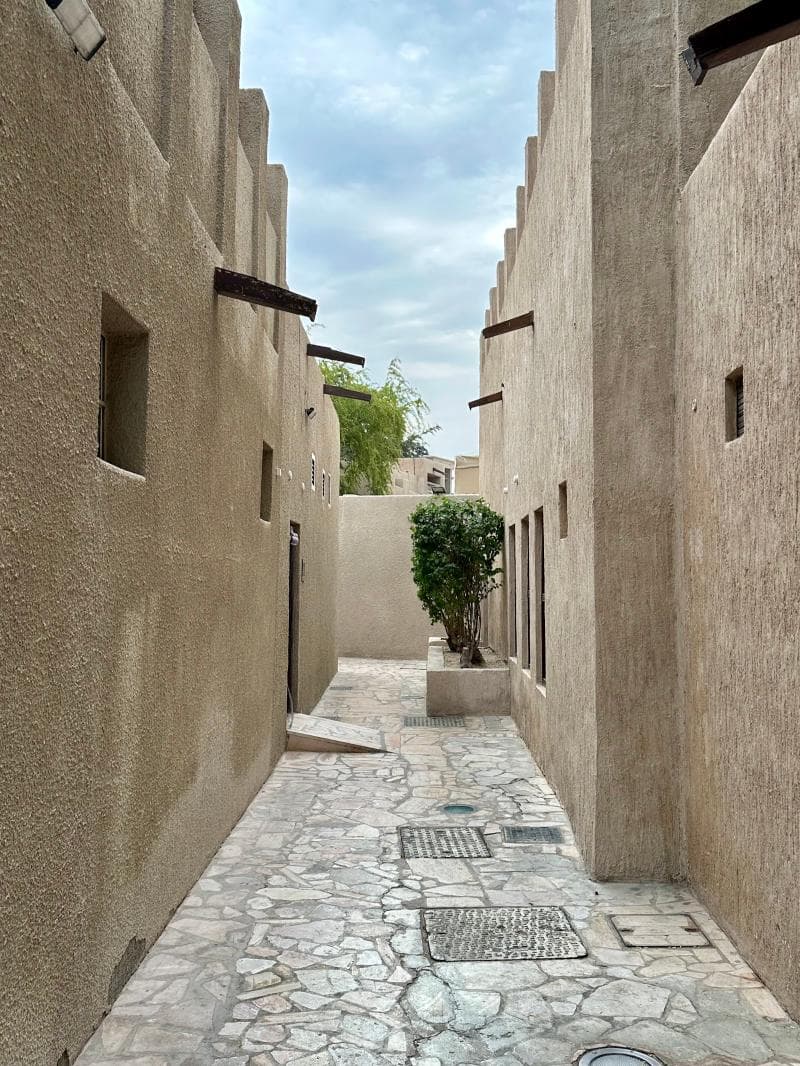

Discover Al Fahidi Historical Neighborhood in Dubai, United Arab Emirates. Explore ancient wind-tower architecture, winding alleys, museums, and galleries in this preserved cultural gem.
Overview
Stepping into the Al Fahidi Historical Neighborhood in Dubai, United Arab Emirates, is like turning back the pages of a history book. Tucked along the southern bank of Dubai Creek, this impeccably preserved heritage site offers a stark and welcome contrast to the city's glistening skyscrapers. Formerly known as Al Bastakiya, this district provides an authentic glimpse into what life was like in Dubai from the mid-19th century to the 1970s, before its rapid modernization. It was once a bustling hub for pearl and textile merchants, and today, its narrow, winding lanes invite travelers to explore the city's rich cultural past.
History & Cultural Background
The Al Fahidi Historical Neighborhood was established in the late 1800s, primarily by affluent Persian merchants, many of whom hailed from the Bastak region of Iran. These traders were drawn to Dubai by its favorable trade opportunities and incentives. They constructed their homes using traditional, locally sourced materials such as coral stone from the Arabian Gulf, gypsum, teak, palm wood, and sandalwood, which were perfectly adapted to the local climate. The area thrived as a commercial and residential quarter, deeply connected to the maritime trade along Dubai Creek.
By the 1970s and 1980s, as Dubai embraced rapid development, parts of the neighborhood faced demolition to make way for modern infrastructure. However, a concerted effort by local heritage advocates and a significant intervention by Prince Charles (then Prince of Wales) during a visit in 1989 played a crucial role in saving the remaining district. Following this, it was designated a Heritage Site by Dubai Municipality, leading to extensive restoration efforts that transformed it into the cultural landmark it is today. The Al Fahidi Fort, built in 1787 and considered Dubai's oldest standing building, is a cornerstone of the neighborhood and now houses the Dubai Museum, offering comprehensive insights into the city's past.
What Makes It Special
The distinctive architecture of Al Fahidi is its defining characteristic. The most iconic features are the traditional wind towers, known as 'barjeel'. These ingenious four to five-story structures were an early form of natural air conditioning, designed to capture prevailing winds and funnel cooler air down into the houses, offering a remarkable testament to ancient Emirati engineering adapted to the harsh desert climate. The buildings are closely arranged, creating narrow, winding alleyways, or 'sikkas', which provide much-needed shade throughout the day and facilitate air movement.
Beyond their practical utility, the architectural designs reflect the social values of the time. For instance, the scarcity of front windows, their narrowness, and high placement underscore the community's emphasis on privacy. Many buildings are also oriented towards the Qibla, in line with Islamic principles. Today, the neighborhood serves as a vibrant cultural hub, housing numerous art galleries like XVA Art Hotel & Gallery and The Majlis Gallery, specialized museums such as the Coffee Museum and Coins Museum, cultural institutions, and charming cafes.
Stories, Fun Facts & Local Details
The name Al Fahidi Historical Neighborhood itself holds history, as it was widely known as Al Bastakiya, a name that still resonates with many. The story of its preservation, particularly the intervention by Prince Charles, highlights a pivotal moment where modern development almost eclipsed a crucial part of Dubai's past.
The construction methods used locally available materials like coral stone, which was abundant and suited to the environment. The design of the traditional houses, sometimes called 'Al-Arish' for wealthier families with large courtyards, and 'Al-Kaima' for those influenced by nomadic roots, tells a story of social structure. The number of wind towers on a house could even indicate the social standing of its occupants. Visitors can immerse themselves in the local culture by attending various seasonal events, such as the Sikka Art and Design Festival and Heritage Week, which bring the district to life with art, workshops, and traditional crafts.
Visitor Perspective
For the curious traveler, Al Fahidi offers an immersive experience, a tranquil escape from the bustling pace of contemporary Dubai. It's a place to wander, explore, and gain a deeper appreciation for the city's roots. Guests can freely stroll through the quiet alleyways, enjoying the architectural beauty and the sense of history that permeates every corner. While exploring the neighborhood itself is free, many of the museums within might have a nominal entrance fee.
Key attractions include the Dubai Museum housed in Al Fahidi Fort, the Sheikh Mohammed bin Rashid Al Maktoum Centre for Cultural Understanding (SMCCU) which offers guided tours and cultural Q&A sessions with Arabic coffee and dates, and various art galleries showcasing contemporary Middle Eastern art. Numerous cafes and restaurants, such as the Arabian Tea House, provide opportunities to savor traditional Emirati cuisine and refreshments in atmospheric courtyards. The cooler months, typically from November to March, are ideal for visiting, allowing for comfortable exploration of the outdoor spaces and participation in the many cultural activities and events hosted here.
Coordinates: 55.30021, 25.26418
View on Google Maps💬 How Travelers Describe This Place
Based on community votes
Must See
491Photogenic
443Beautiful
414Interesting
310Unique
277
Traveler Stories
Discover memorable experiences shared by travelers who have visited this place.
No traveler stories yet.
Be the first traveler to share what made this place memorable.
Things to see at Al Fahidi Historical Neighborhood



Tour
By
Spot
Discover amazing places around the world. Your journey starts here.
Explore
© 2026 TourBySpot. All rights reserved.