Courtyards and Narrow Alleyways
Dubai, United Arab Emirates
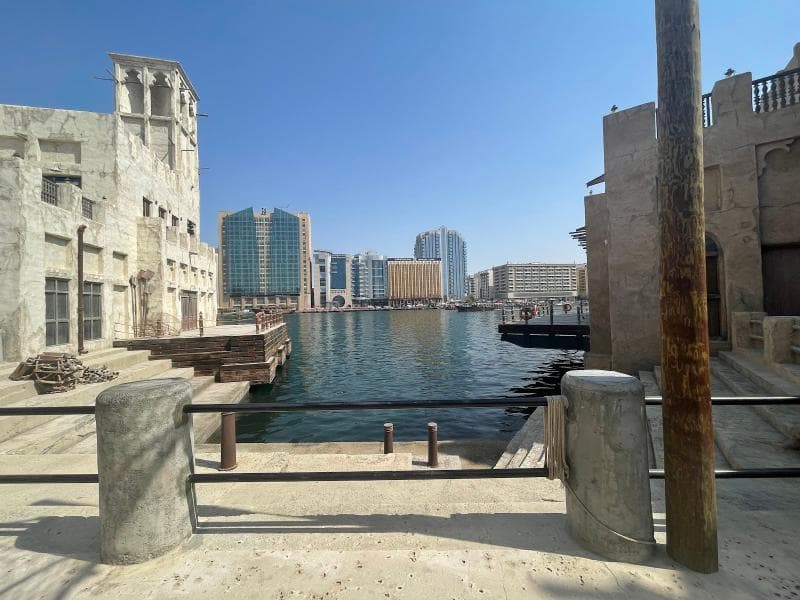
Explore the Courtyards and Narrow Alleyways of Al Fahidi Historical Neighborhood in Dubai, UAE, for a glimpse into traditional Emirati life.
Overview
Stepping into the 'Courtyards and Narrow Alleyways' of Al Fahidi Historical Neighborhood in Dubai, United Arab Emirates, is like uncovering a hidden gem, a profound contrast to the city's modern skyline. This meticulously preserved district, also known as Al Bastakiya, stands as one of Dubai's oldest heritage sites, with roots tracing back to the 1890s. It offers a tangible connection to the traditional way of life that thrived in Dubai from the mid-19th century through the 1970s.
Nestled along the tranquil Dubai Creek in the Bur Dubai area, this neighborhood is famously characterized by its labyrinthine network of narrow alleyways, locally known as 'sikkas', and the distinctive silhouette of its traditional wind-tower architecture, or 'barjeel'. The buildings here are typically low-rise, one or two stories tall, constructed from indigenous materials such as coral stone, gypsum, mud, and palm wood, with some incorporating teak and sandalwood. Today, these historic structures have found new life, housing an array of museums, vibrant art galleries, inviting cafes, and cultural institutions, transforming the area into a living museum of Emirati heritage.
History & Cultural Background
The Al Fahidi Historical Neighborhood emerged in the late 1800s and early 1900s, primarily settled by affluent Persian and Indian merchant families who chose Dubai as their new home. Its strategic location adjacent to Dubai Creek played a pivotal role, establishing it as a bustling hub for commerce and trade for centuries. The architectural design of Al Fahidi is a testament to the ingenuity and cultural values of its early inhabitants, reflecting a deep-seated respect for community and privacy.
A striking feature is the deliberate scarcity of front-facing windows and the design of internal windows to be narrow and high-set, ensuring visual privacy for residents. The compact, high-density layout of the neighborhood, with its intricate network of 'sikkas', was not merely for aesthetics. These narrow alleys were meticulously designed to provide natural shade throughout the day, mitigating the harsh desert sun. The iconic 'barjeel' or wind towers are perhaps the most celebrated examples of this adaptive architecture. Long before modern air conditioning, these towers effectively channeled cooling breezes into homes, making life in the intense summer heat more bearable. The neighborhood has undergone dedicated preservation efforts since the mid-2000s, safeguarding its unique heritage for future generations.
What Makes It Special
The 'Courtyards and Narrow Alleyways' of Al Fahidi offer a rare and authentic glimpse into pre-oil Dubai, providing profound insights into the city's historical identity before its rapid modernization. This district stands in stark contrast to the gleaming skyscrapers of contemporary Dubai, offering a tranquil retreat and a sense of timelessness. The dense urban fabric, characterized by its winding, shaded 'sikkas', creates a uniquely immersive atmosphere, encouraging slow exploration and discovery.
Each traditional courtyard house, built around a central shaded space, provided not only privacy but also excellent natural ventilation, serving as the communal heart where daily life unfolded. The rich tapestry of construction materials—coral stone, gypsum, mud, and palm wood—adds to the district's distinctive charm, especially when complemented by the towering 'barjeels'. Today, many of these historically significant buildings have been thoughtfully repurposed, transforming into vibrant cultural and artistic venues that further enrich the visitor experience.
Stories, Fun Facts & Local Details
The winding 'sikkas' are more than just pathways; they are echoes of past lives, designed to provide respite from the sun and foster a sense of community. Imagine the walls of these alleys, painted in warm ochre by the morning light and glowing golden in the late afternoon, as if telling tales of centuries past. In the evenings, kerosene lamps illuminate the lanes, a romantic nod to a bygone era's 'lantern navigation' system.
A key principle in the architectural design was 'privacy'. Homes featured minimal front windows, with others strategically placed and elevated to ensure discretion. Intriguingly, some houses were even oriented towards the Qibla (south-west), reflecting religious and cultural values in their very foundations. This neighborhood is highly walkable, a pleasant departure from the car-centric infrastructure of modern Dubai, inviting visitors to wander freely and discover its many secrets. It proudly hosts cultural institutions like the Coffee Museum, offering insights into the region's rich coffee traditions, and the Sheikh Mohammed Centre for Cultural Understanding (SMCCU), which promotes cross-cultural understanding. The Al Fahidi Historical Neighborhood is even considered a contender for UNESCO World Heritage Site status, a testament to its global significance.
Visitor Perspective
For any traveler to Dubai, visiting the 'Courtyards and Narrow Alleyways' of Al Fahidi is an indispensable journey back in time. It's an opportunity to truly experience a different facet of the city, shedding its futuristic image for a day of historical immersion. The act of simply wandering through the 'sikkas' is an experience in itself, where every turn reveals new architectural details, hidden courtyards, or a glimpse into Dubai's humble beginnings.
Visitors can explore the various art galleries, museums, and cafes that now occupy these beautifully restored traditional homes. It's a chance to engage with traditional Emirati life and culture, to understand the values and ingenuity that shaped this extraordinary city. The atmosphere here is notably quiet and contemplative, offering a serene contrast to the bustling energy of contemporary Dubai. This blend of ancient architecture and vibrant modern cultural spaces makes Al Fahidi an enriching destination, where a half-day or even a full day can be effortlessly spent absorbing its unique charm.
Coordinates: 55.30021, 25.26418
View on Google Maps💬 How Travelers Describe This Place
Based on community votes
Interesting
951Beautiful
748Must See
499Photogenic
491Unique
427
Traveler Stories
Discover memorable experiences shared by travelers who have visited this place.
No traveler stories yet.
Be the first traveler to share what made this place memorable.

Tour
By
Spot
Discover amazing places around the world. Your journey starts here.
Explore
© 2026 TourBySpot. All rights reserved.