Al Fahidi Fort
Dubai, United Arab Emirates
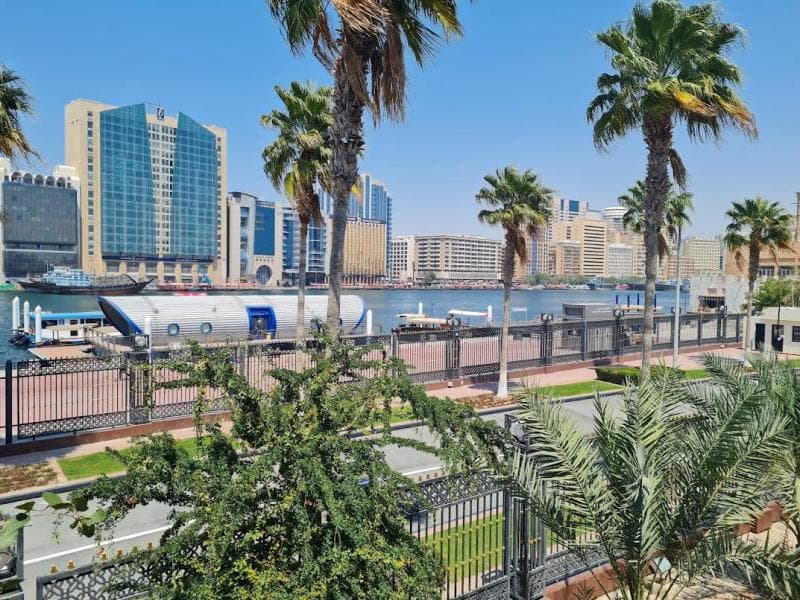
Explore Al Fahidi Fort in Dubai, United Arab Emirates, the city's oldest building. Discover its rich history, unique architecture, and cultural significance.
Overview
Nestled within the charming Al Fahidi Historical Neighborhood, Al Fahidi Fort stands as a remarkable testament to Dubai's rich past. As the oldest existing building in the bustling city, this formidable structure, also known as Dubai Fort, offers a rare glimpse into life before the emirate's rapid modernization. Originally built for defense, it now proudly houses the Dubai Museum, inviting visitors to journey through centuries of Emirati history and cultural heritage.
The fort's enduring presence creates a striking contrast with Dubai's gleaming contemporary skyline, symbolizing the city's deep roots amidst its futuristic ambitions. While currently undergoing extensive rehabilitation, with an anticipated reopening in 2026, its historical significance as a cultural landmark remains undiminished. This carefully preserved site is not merely a building; it is a storyteller, recounting Dubai's evolution from a modest trading port to a global metropolis.
History & Cultural Background
Al Fahidi Fort's story begins in 1787, when it was originally constructed. Its primary purpose was to safeguard Dubai's nascent trading port and defend against invasions, strategically overlooking the vital Dubai Creek. Built with locally sourced materials like coral stone, gypsum, and palm wood, its thick walls and strategic watchtowers reflect traditional Arabian defensive architecture.
Over the centuries, the fort adapted to the changing needs of Dubai. It served various crucial roles, including being a royal residence, a weapons arsenal, a prison for outlaws, and a central governing hub. This architectural marvel saw many transformations before it was renovated during the reign of Sheikh Rashid bin Saeed Al Maktoum. In 1971, coinciding with the formation of the United Arab Emirates, Al Fahidi Fort was officially reopened as the Dubai Museum, marking a pivotal moment in the preservation of the city's cultural heritage. The museum's establishment cemented the fort's role as a repository of Dubai's history, showcasing the traditional way of life that prevailed before the transformative discovery of oil.
What Makes It Special
What truly sets Al Fahidi Fort apart is its authentic reflection of traditional Emirati ingenuity and architectural heritage. Its construction from natural materials such as coral stone, gypsum, and palm wood not only showcases historical building techniques but also demonstrates an understanding of the desert climate, with coral blocks providing insulation against intense heat. The fort’s design incorporates practical elements like an interior courtyard for shelter and narrow windows, known as mashrabiya, which allowed for air circulation while maintaining privacy and security.
The fort's role as the oldest standing structure in Dubai gives it immense symbolic value. It stands as a physical link to the past, offering a powerful counterpoint to the contemporary urban landscape that surrounds it. Its transformation into the Dubai Museum has allowed it to preserve and present the narratives of a bygone era, making it a unique educational and cultural destination that bridges Dubai's humble origins with its modern-day grandeur.
Stories, Fun Facts & Local Details
Beyond its historical facade, Al Fahidi Fort is imbued with fascinating local details. A notable fun fact is that the fort's image is featured on the AED 100 note, underscoring its national importance and recognition as a significant landmark. Inside the Dubai Museum, visitors previously explored vibrant dioramas that vividly recreated scenes from daily life in old Dubai, including bustling souks, traditional Arab houses, serene mosques, and extensive date farms.
The museum’s exhibits also delved into the region's maritime history, showcasing artifacts related to pearl diving, complete with actual weights and scales used by pearl divers. Archaeological finds dating as far back as 3000 BC were carefully preserved and displayed, painting a comprehensive picture of the area's ancient past. The fort's location within the Al Fahidi Historical Neighborhood means it is surrounded by winding alleys and other culturally significant buildings, offering a holistic experience of traditional Emirati life and architecture.
Visitor Perspective
For the curious traveler, understanding the current status of Al Fahidi Fort is important. As of now, the fort is undergoing significant rehabilitation works and is temporarily closed to the public, with plans to reopen in 2026. While this means internal exploration is currently on hold, visitors can still admire its impressive exterior architecture and appreciate its historical presence within the Al Fahidi Historical Neighborhood. The surrounding area offers a vibrant cultural experience with its traditional wind-tower houses, art galleries, and cultural centers.
Once reopened, the reimagined museum experience promises to further connect visitors to Dubai's rich past and offer deeper insights into defensive architecture in the UAE. Previously, a visit to the fort and museum typically took around two hours, and it was a highly popular attraction, drawing over a million visitors annually. The forthcoming reopening is highly anticipated, promising to offer an even more engaging and insightful journey into the emirate's remarkable heritage.
Coordinates: 55.29722, 25.26306
View on Google Maps💬 How Travelers Describe This Place
Based on community votes
Interesting
958Beautiful
743Unique
719Photogenic
382Must See
176
Traveler Stories
Discover memorable experiences shared by travelers who have visited this place.
No traveler stories yet.
Be the first traveler to share what made this place memorable.

Tour
By
Spot
Discover amazing places around the world. Your journey starts here.
Explore
© 2026 TourBySpot. All rights reserved.