Traditional Wind Towers
Dubai, United Arab Emirates
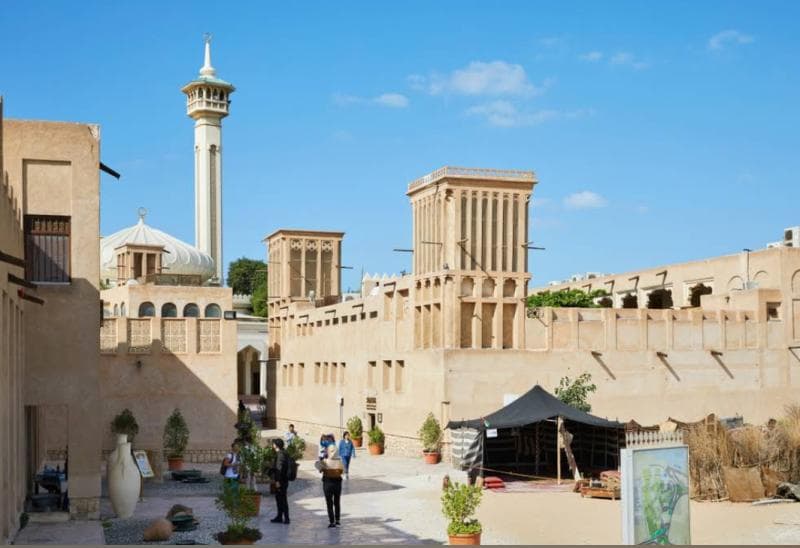
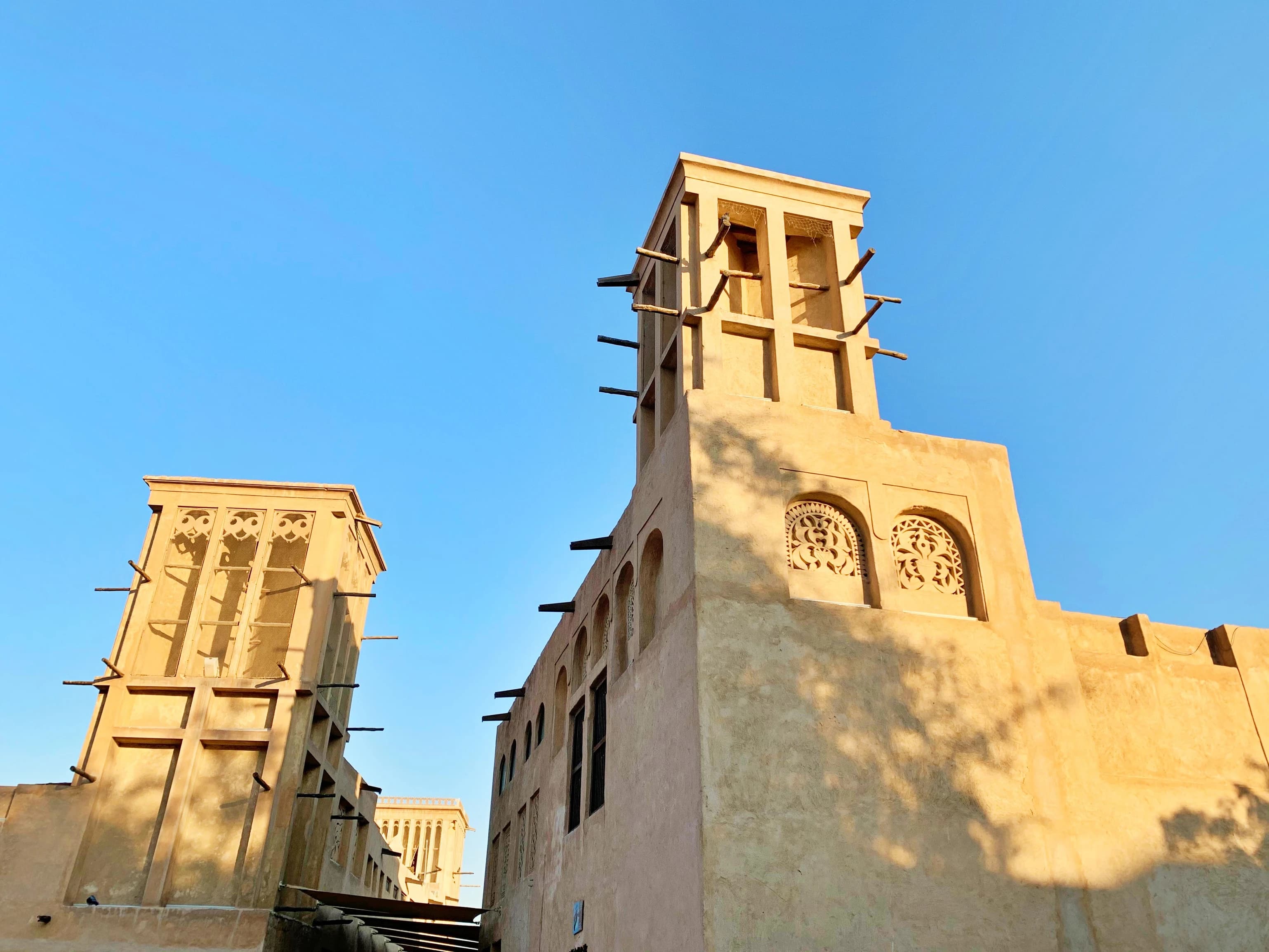
Discover Dubai's Traditional Wind Towers in Al Fahidi Historical Neighborhood. Explore these ancient, ingenious cooling systems and their rich history in the UAE.
Overview
Stepping into the Al Fahidi Historical Neighborhood in Dubai is akin to time travel, and among its most striking features are the Traditional Wind Towers, locally known as 'Barjeel'. These elegant, chimney-like structures rise above the sand-colored buildings, offering a fascinating glimpse into the ingenuity of ancient architecture. Far from mere decoration, these wind towers were the predecessors of modern air conditioning, a brilliant solution developed centuries ago to combat the intense desert heat. They are an integral part of the neighborhood's charm and a testament to a sustainable way of life that prioritized harmony with the environment. Exploring Al Fahidi means walking through narrow sikkas, or alleys, where the wind towers stand as silent guardians of a rich cultural heritage, each one a vertical conduit designed to capture and circulate cooling breezes through the homes below.
History & Cultural Background
The concept of wind towers is ancient, with origins believed to trace back to Persia (modern-day Iran) and even ancient Egypt, with some depictions dating as far back as 1300 BCE. In Dubai, these architectural marvels began appearing in the late 19th century. They were introduced by affluent Persian merchants who migrated to Dubai, many from the Bastak region of Iran, drawn by the flourishing pearl trade and commercial opportunities. These merchants brought with them not only their wealth but also their knowledge of sophisticated construction techniques adapted for the desert climate. The Al Fahidi Historical Neighborhood itself was established in the 1890s as a residential area for these traders and craftsmen. Initially, wind towers were sometimes constructed from palm fronds, but their susceptibility to fire led to the adoption of more durable and readily available local materials such as coral stone, gypsum, sea stone, teak, sandalwood, and palm wood. The widespread adoption of these towers quickly made them a defining characteristic of traditional Emirati architecture, symbolizing a profound understanding of climate-responsive design.
What Makes It Special
What makes the Traditional Wind Towers truly special is their ingenious, passive cooling mechanism. Each barjeel is typically a four-sided, vertical shaft with strategically placed openings at the top, designed to catch even the slightest breeze from any direction. As air enters these openings, it is funneled downwards through the tower, often passing over shaded walls made of thick materials like coral stone and gypsum, which absorb heat and cool the air before it enters the living spaces. Simultaneously, warmer, lighter air within the house rises and escapes through other openings in the tower, creating a continuous, natural airflow. This clever system could reduce indoor temperatures by as much as 10 degrees Celsius compared to the scorching external heat. Even on windless days, the towers function as 'solar chimneys,' allowing hot air to escape upwards, further enhancing ventilation. Some towers featured internal partitions or even wet cloth hung on bamboo poles within their shafts to further humidify and cool the incoming air through evaporation. This elegant functionality made them one of the earliest and most effective forms of natural air conditioning.
Stories, Fun Facts & Local Details
The wind towers are more than just functional structures; they are storytellers of Dubai's past. A fascinating detail is how the number and prominence of wind towers on a house could often signify the wealth and social standing of its owner. A more elaborate house might boast several barjeels, making a clear statement about the family's prosperity. The narrow, winding alleys of Al Fahidi, known as 'sikkas', were not accidental; they were deliberately designed to create shaded pathways and act as wind tunnels, guiding breezes through the neighborhood and further enhancing the cooling effect of the wind towers. Another local detail that speaks volumes about traditional life is the emphasis on privacy in the architectural design. Houses featured limited, narrow, and high-set front windows, and adjacent buildings were carefully positioned so their windows and doors did not directly align, reflecting deep-rooted societal values.
Visitor Perspective
For the curious traveler, encountering the Traditional Wind Towers in Al Fahidi Historical Neighborhood is an immersive experience. As you wander through the labyrinthine streets, these towering structures dominate the skyline, offering a tangible connection to how people lived comfortably in this harsh desert environment before the advent of modern technology. It's a journey into a quieter, more reflective Dubai, far removed from the dazzling skyscrapers of the modern city. Visitors can walk freely through the neighborhood, observing these architectural marvels up close and imagining life within their cool confines. The entire district serves as a living museum, where the wind towers stand as proud symbols of traditional Emirati culture and a testament to human ingenuity in adapting to nature. It is a must-visit for anyone seeking to understand the historical roots and cultural fabric of Dubai.
Coordinates: 55.30021, 25.26418
View on Google Maps💬 How Travelers Describe This Place
Based on community votes
Must See
965Interesting
743Photogenic
719Beautiful
629Unique
176
Traveler Stories
Discover memorable experiences shared by travelers who have visited this place.
No traveler stories yet.
Be the first traveler to share what made this place memorable.

Tour
By
Spot
Discover amazing places around the world. Your journey starts here.
Explore
© 2026 TourBySpot. All rights reserved.