Art Galleries and Cultural Exhibitions
Dubai, United Arab Emirates
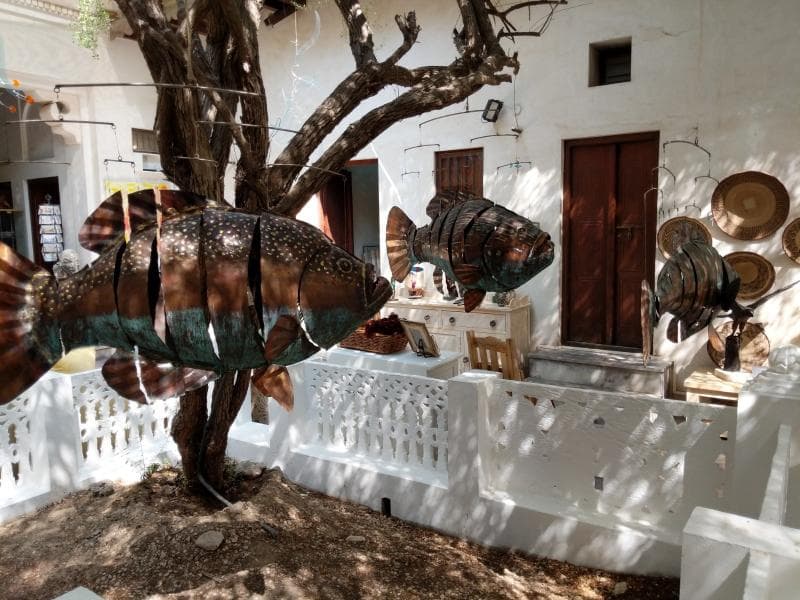

Explore art galleries and cultural exhibitions in Dubai's Al Fahidi Historical Neighborhood, a unique blend of heritage and contemporary art in the UAE.
Overview
Stepping into the Al Fahidi Historical Neighborhood in Dubai, United Arab Emirates, is like uncovering a hidden gem, a profound contrast to the city's gleaming modern skyline. This meticulously preserved district serves as Dubai's cultural heart, and its art galleries and cultural exhibitions are central to its charm. Beyond the traditional architecture and winding alleyways, Al Fahidi offers a vibrant immersion into Emirati heritage and contemporary artistic expression. It's a place where history breathes life into art, providing a unique platform for both local and international artists. Visitors can explore a collection of art spaces housed within beautifully restored traditional buildings, each offering a distinct perspective on the region's creative landscape.
The neighborhood is not just a collection of historical buildings; it's a living canvas and an active cultural hub, continuously hosting activities, workshops, and festivals that celebrate Dubai's rich artistic traditions and evolving contemporary scene. It invites curious travelers to slow down, wander, and engage with the stories told through visual arts and cultural displays.
History & Cultural Background
The Al Fahidi Historical Neighborhood, often referred to as Al Bastakiya, dates back to the late 19th century. It was originally established by wealthy Persian merchants who were drawn to Dubai's thriving trading port, particularly for pearls and textiles. The architectural style of the neighborhood is distinct, characterized by its traditional wind-tower houses, known as 'barjeels', built from materials like coral, gypsum, teak, sandalwood, and palm fronds. These ingenious structures were designed to provide natural ventilation in Dubai's hot climate.
For many years, the neighborhood represented the traditional way of life in Dubai before the oil boom of the 1960s. Facing demolition threats in the late 20th century, preservation efforts, notably championed by figures like Prince Charles, helped save and restore this invaluable area. Since 2005, the Dubai government has continuously worked to conserve its historical beauty, transforming it into a vibrant center for art and culture while maintaining its authentic heritage. Today, many of these restored houses have been repurposed into art galleries, museums, and cultural centers, breathing new life into old walls.
What Makes It Special
What sets Al Fahidi's art galleries and cultural exhibitions apart is their seamless integration within the historical fabric of the neighborhood. Art is not displayed in sterile, modern spaces, but within the intimate courtyards and rooms of heritage houses, creating an ambiance that is both authentic and inspiring. Galleries like XVA Gallery and The Majlis Gallery are renowned. XVA Gallery focuses on contemporary artists from the Arab world and the Indian subcontinent, showcasing a diverse range of disciplines from paintings and sculptures to installations. The Majlis Gallery, one of Dubai's premier art spaces, was established with the mission to promote artists of international standing and serve as a meeting point for creative minds, featuring fine arts, paintings, sculptures, ceramics, glasswork, and photography.
The neighborhood also hosts significant cultural events, most notably the Sikka Art and Design Festival. This annual festival, organized by the Dubai Culture and Arts Authority, transforms Al Fahidi into a living gallery, showcasing contemporary art, design, and performance by Emirati, UAE, and GCC-based artists. It features exhibitions, installations, workshops, and live performances, fostering public engagement and cultural exchange.
Stories, Fun Facts & Local Details
The term 'Majlis' in Arabic translates to 'common ground' or 'meeting place', beautifully embodying the spirit of The Majlis Gallery. Its origin story tells of an expatriate interior designer, Alison Collins, who fell in love with the architecture of the old wind-tower houses and, along with her husband, leased Villa No. 19 in 1978. They hosted many artists in their 'majlis', leading to the gallery's inception in 1989.
The winding, narrow alleys of Al Fahidi are not merely pathways; they are part of the district's charm and original design. These pathways, along with the strategically oriented buildings and their scarcity of front windows, offer a glimpse into the social values of privacy and community that prevailed in old Dubai. The wind-towers, or 'barjeels', are not just architectural features but a testament to the ingenuity of early inhabitants in adapting to the desert climate, capturing breezes to cool homes long before air conditioning existed.
Walking through Al Fahidi, you might also stumble upon murals adorning courtyard walls, often created during events like the Sikka Festival, adding bursts of contemporary expression against the historical backdrop.
Visitor Perspective
For a curious traveler, visiting the art galleries and cultural exhibitions in Al Fahidi Historical Neighborhood offers an immersive journey away from Dubai's modernity. It's an opportunity to experience an authentic side of the city, to understand its roots, and to witness the confluence of tradition and innovation in art. The experience is one of discovery, as each restored house-turned-gallery unveils new artistic perspectives within a serene, timeless setting.
Wandering through the car-free lanes, visitors can engage with artists, attend workshops, and appreciate art that tells stories of the region's history, culture, and contemporary issues. It's a place for reflection, learning, and finding unique pieces that resonate with the rich cultural tapestry of Dubai. The cafes nestled within the courtyards also offer a chance to relax and soak in the atmosphere, making the visit a truly holistic cultural experience.
Coordinates: 55.2974, 25.2638
View on Google Maps💬 How Travelers Describe This Place
Based on community votes
Beautiful
948Unique
913Interesting
337Must See
196Photogenic
94
Traveler Stories
Discover memorable experiences shared by travelers who have visited this place.
No traveler stories yet.
Be the first traveler to share what made this place memorable.

Tour
By
Spot
Discover amazing places around the world. Your journey starts here.
Explore
© 2026 TourBySpot. All rights reserved.