Zagreb Funicular
Zagreb, Croatia
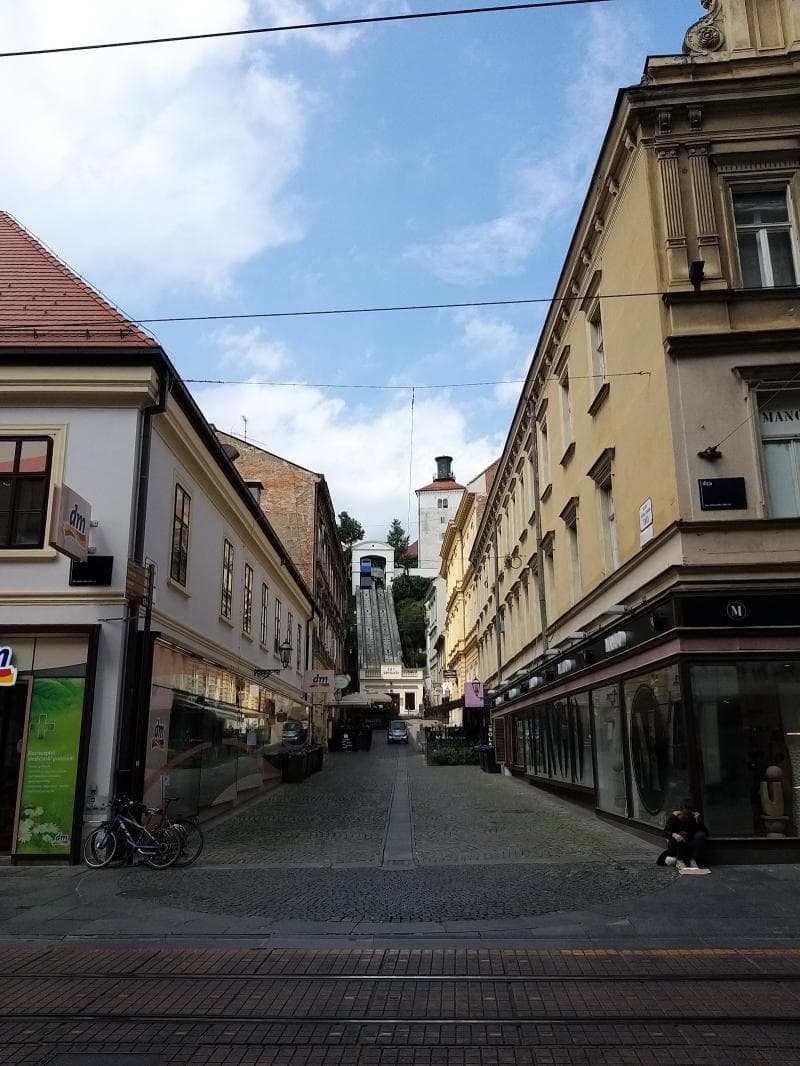
Discover the Zagreb Funicular, the shortest public transport funicular in the world, connecting Zagreb's Upper and Lower Towns. Explore its rich history and unique charm.
Overview
Nestled in the heart of Croatia's vibrant capital, the Zagreb Funicular stands as a captivating piece of history and a cherished local landmark. Connecting the bustling Lower Town (Donji grad) with the picturesque Upper Town (Gornji grad), this charming cable car offers more than just a ride; it provides a delightful journey through time. Operated by the Zagreb Electric Tram (ZET), it is renowned globally for being one of the shortest public transport funiculars in the world, boasting a track length of just 66 meters. The brief, yet memorable, ascent takes a mere 64 seconds, bridging a significant elevation difference with ease. Visitors and locals alike rely on this blue-hued marvel to navigate the city's historic levels, making it both a practical mode of transport and a beloved tourist attraction.
Its lower station is conveniently located on Tomićeva Street, a lively artery branching off the main Ilica Street, while its upper terminus opens onto the scenic Strossmayer Promenade, directly beneath the iconic Lotrščak Tower. This strategic placement ensures that a ride on the funicular seamlessly integrates into any exploration of Zagreb's medieval core. Maintaining its original architectural charm and many technical features, the Zagreb Funicular has been officially recognized and protected as a cultural monument, a testament to its enduring significance to the city's heritage.
History & Cultural Background
The story of the Zagreb Funicular begins in the late 19th century, driven by the entrepreneurial spirit of Osijek-based businessman David William Klein. Observing the heavy pedestrian traffic on Bregovita Street (today's Tomićeva Street) leading to the Upper Town, Klein conceived the idea of building a funicular, drawing inspiration from similar systems across Europe. His application for a building permit in 1888 was swiftly approved, and construction commenced in May 1889.
Despite an initial malfunction during its first test run in February 1890, the funicular officially opened in October of the same year, marking a significant milestone in Zagreb's public transportation history. It predated the city's horse-drawn tram system, making it the very first organized public transport in Zagreb. Originally steam-powered, the funicular experienced frequent breakdowns, earning it the affectionate nickname 'zapinjača' (something that click-stops) from the locals. In 1934, its propulsion system was upgraded to electricity, enhancing reliability. After the expiration of its 40-year concession, the funicular became the property of the City of Zagreb in 1929. A major reconstruction took place between 1969 and 1973, necessitated by wear and tear, though great care was taken to preserve its original external appearance and structural design. It resumed operation on July 26, 1974, with new drive machines from Waagner-Biro and electrical equipment from Siemens. Since 1947, the funicular cars have proudly worn the blue color, characteristic of Zagreb's public transport vehicles.
What Makes It Special
What truly sets the Zagreb Funicular apart is its unique combination of brevity, antiquity, and charm. Its 66-meter track length officially makes it the shortest public transport funicular in the world, a fact that contributes greatly to its appeal. Unlike many modern transport systems, the Zagreb Funicular has meticulously preserved its original architectural appearance and many of its technical properties, transforming it into a living museum exhibit. The Neo-Renaissance style of its station buildings adds to its historical allure. This dedication to preservation is why it holds legal protection as a cultural monument, allowing generations to experience a piece of Zagreb's past in an authentic way.
Furthermore, its continuous operation for over 130 years, connecting two distinct parts of the city, signifies its enduring relevance. It offers unparalleled views of the city as it gently ascends, creating a momentary escape from the urban rush. The funicular's consistent blue livery, adopted in the mid-20th century, has made it instantly recognizable and a beloved visual symbol of Zagreb.
Stories, Fun Facts & Local Details
The Zagreb Funicular is more than just a mechanical lift; it's interwoven with the city's fabric and folklore. Locals affectionately refer to it as the 'old lady' or 'Mrs. Funicular,' highlighting its longevity and cherished status. It holds a remarkable safety record, having never experienced an accident in its long history, making it one of the safest funiculars in operation.
Its strategic location under the Lotrščak Tower adds another layer of cultural richness. Every day at noon, the Grič cannon fires from the tower, a tradition since 1877, creating a dramatic backdrop to the funicular's routine operations and startling unsuspecting visitors. The short, 64-second ride has become a ritual for many, a quick transition between the historical serenity of the Upper Town and the vibrant pulse of the Lower Town. It's often included in walking tours, providing a scenic shortcut and a moment of historical reflection. Over the years, it has carried countless commuters, tourists, and even dignitaries, including Prince Charles and the Duchess of Cornwall, further cementing its place in Zagreb's narrative.
Visitor Perspective
For a curious traveler, the Zagreb Funicular offers a quintessential Zagreb experience. The journey itself, though brief, provides a unique vantage point to observe the city's architectural details and the gentle slope it conquers. It's an ideal starting point for exploring the charming cobblestone streets, museums, and galleries of the Upper Town, with the Lotrščak Tower and its daily cannon firing just steps away from the upper station.
The funicular operates regularly, departing every ten minutes between 6:30 AM and 10 PM daily, ensuring convenient access throughout the day. With a capacity of 28 adults per car, it's a cozy and efficient way to ascend. While ascending the stairs alongside the track is an option for the more energetic, riding the funicular is an integral part of understanding Zagreb's character and experiencing its historical connection between the old and new. It's a journey that, despite its brevity, leaves a lasting impression, embodying the unique charm and enduring history of Croatia's capital.
Coordinates: 15.973099, 45.814156
View on Google Maps💬 How Travelers Describe This Place
Based on community votes
Interesting
980Beautiful
963Must See
663Photogenic
389Unique
201
Traveler Stories
Discover memorable experiences shared by travelers who have visited this place.
No traveler stories yet.
Be the first traveler to share what made this place memorable.
Things to see at Zagreb Funicular



Tour
By
Spot
Discover amazing places around the world. Your journey starts here.
Explore
© 2026 TourBySpot. All rights reserved.