Wat Phra That Doi Suthep
Chiang Mai, Thailand
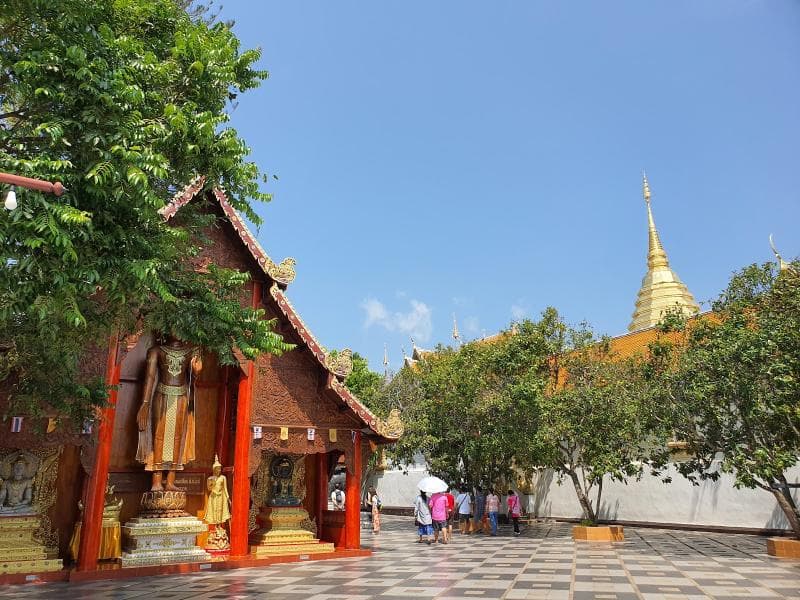
Discover Wat Phra That Doi Suthep, a sacred golden temple high above Chiang Mai, Thailand. Explore its legend, stunning architecture, and panoramic views.
Overview
Perched high in the mountains above Chiang Mai, Wat Phra That Doi Suthep stands as one of Thailand's most revered and visually striking Theravada Buddhist temples. Often simply referred to as 'Doi Suthep', which is actually the name of the mountain it graces, this sacred site offers a profound spiritual experience and breathtaking panoramic views of the city below. Located approximately 15 kilometers from Chiang Mai's city center, at an elevation of about 1,073 meters, the temple is easily distinguishable by its shimmering golden chedi that gleams under the Northern Thai sun.
Its grandeur and serene atmosphere make it a significant pilgrimage destination, drawing both devout Buddhists and curious travelers from around the globe. Visiting this temple is considered by many locals to be an essential part of any trip to Chiang Mai, offering a deep dive into the region's rich history and cultural heritage.
History & Cultural Background
The origins of Wat Phra That Doi Suthep are steeped in a captivating legend that dates back to the late 14th century, specifically to the year 1383. According to the most widely accepted story, a Buddhist monk named Sumanathera from Sukhothai discovered a bone fragment believed to be a shoulder relic of the Gautama Buddha. This relic was said to possess mystical powers, including the ability to glow, vanish, move, and even replicate itself.
After the relic reportedly split into two pieces, King Kue Na (also known as King Nu Naone or King Geu Na) of the Lanna Kingdom sought a suitable place to enshrine the larger fragment. The king placed the relic on the back of a sacred white elephant, a revered symbol in Thai culture, and released it into the jungle, allowing the animal to choose the site. The elephant ascended Doi Suthep mountain, trumpeted three times, circled, and then peacefully collapsed and died. King Kue Na interpreted this as a divine omen, ordering the construction of the temple on that very spot.
The temple has since expanded and been embellished over centuries, becoming a central point for Lanna Kingdom's Buddhist practices and a testament to its enduring spiritual legacy.
What Makes It Special
At the heart of Wat Phra That Doi Suthep's allure is its magnificent golden chedi. This gleaming spire, which houses the revered Buddha relic, is a prime example of Northern Thai (Lanna) architectural style, featuring an octagonal base, a ringed spire, and a tiered chatra at its summit.
The journey to the main temple complex typically involves ascending a majestic staircase of approximately 306 to 309 steps, flanked by intricately carved Naga (mythical serpent) balustrades that are considered the longest in Thailand. These Nagas are believed to be protectors of Buddhism, guiding visitors toward the sacred space above. For those who prefer not to climb, a funicular railway provides an easier ascent. Once inside, visitors are greeted by a complex adorned with various pagodas, statues, bells, and shrines, reflecting a blend of Buddhist and Hindu influences. The temple's elevated position also affords unparalleled, sweeping vistas of Chiang Mai city and the surrounding Ping Valley on clear days, making the effort of the journey truly rewarding.
Stories, Fun Facts & Local Details
The legend of the white elephant is perhaps the most captivating story associated with Wat Phra That Doi Suthep, defining its very location. This tale resonates deeply with the spiritual connection locals feel to the site.
Beyond its founding myth, the temple holds many intriguing details. The compound hosts numerous Buddha statues in various styles and materials. One large golden Buddha statue, approximately two meters high, is a prominent feature in the main viharn (sermon hall). It's customary for devotees to walk clockwise around the golden chedi three times as a sign of respect and to accrue merit. During significant Buddhist holidays like Visakha Bucha and Makha Bucha, the temple becomes a major pilgrimage destination, with local people sometimes climbing the mountain and staying overnight to commemorate the Buddha's birth. The ringing of the many bells found throughout the temple grounds is also believed to bring good luck to pilgrims.
Visitor Perspective
The journey to Wat Phra That Doi Suthep is an experience in itself. While red songthaews (shared pick-up trucks) are a popular and convenient way to reach the temple from Chiang Mai city, some adventurous travelers also choose to hike the 'Monk's Trail' for a more immersive experience.
Upon arrival, visitors can either climb the iconic Naga-flanked staircase or opt for the funicular railway. Inside the temple grounds, respectful attire is mandatory; shoulders and knees must be covered, and footwear must be removed before entering sacred areas. Many suggest visiting early in the morning, especially around sunrise, to avoid crowds and witness the temple in a tranquil, softly lit atmosphere, with cooler temperatures. This time also offers a chance to experience local rituals or simply enjoy the peaceful environment before the daily influx of visitors.
Coordinates: 98.92156, 18.80498
View on Google Maps💬 How Travelers Describe This Place
Based on community votes
Unique
896Photogenic
550Must See
102Beautiful
95Interesting
28
Traveler Stories
Discover memorable experiences shared by travelers who have visited this place.
No traveler stories yet.
Be the first traveler to share what made this place memorable.
Things to see at Wat Phra That Doi Suthep



Tour
By
Spot
Discover amazing places around the world. Your journey starts here.
Explore
© 2026 TourBySpot. All rights reserved.