Bell Pavilion
Chiang Mai, Thailand
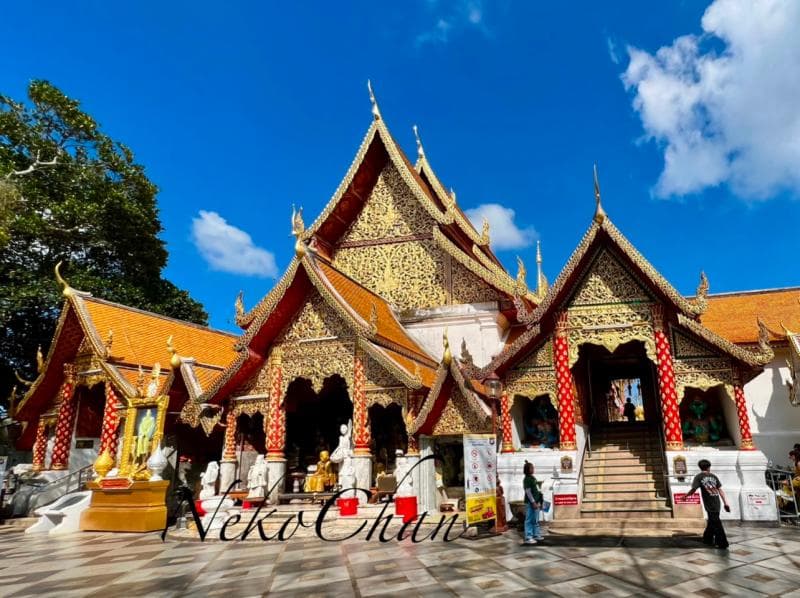
Discover the spiritual significance of the Bell Pavilion (collection of bells) at Wat Phra That Doi Suthep in Chiang Mai, Thailand. Explore its history and cultural meaning.
Overview
Perched majestically atop Doi Suthep mountain, Wat Phra That Doi Suthep in Chiang Mai, Thailand, is not just a stunning architectural marvel but also a profound spiritual center. While you might seek a distinct 'Bell Pavilion,' the temple complex features numerous bells and gongs integrated into its sacred spaces, forming areas where visitors and devotees engage with these significant Buddhist instruments. These collections of bells, often found along terraces and within cloisters, offer a unique and resonant experience, embodying centuries of Buddhist tradition and belief. The temple, often simply referred to as 'Doi Suthep,' stands at an elevation of approximately 1,073 meters (3,520 feet) above sea level, offering breathtaking panoramic views of Chiang Mai city below.
History & Cultural Background
The story of Wat Phra That Doi Suthep is steeped in legend, dating back to 1383 when King Kue Na of the Lanna Kingdom ordered its construction. The temple's site was chosen through a fabled journey of a white elephant carrying a sacred Buddha relic. According to the legend, a monk named Sumanathera discovered a bone fragment, believed to be from the Buddha's shoulder, which possessed mystical powers. This relic was eventually placed on the back of a white elephant, which was released to roam freely. The elephant climbed Doi Suthep, trumpeted three times, and then knelt down to die, marking the auspicious spot for the temple. This fascinating origin story highlights the deep spiritual significance of the entire temple complex, including its various sacred objects like the bells. In Buddhist tradition, bells play a crucial role, often used by monks to signal calls to prayer or to commence rituals. They are integral to the meditative state, helping to focus the mind and purify the holy space.
What Makes It Special
The bells at Wat Phra That Doi Suthep are far more than mere decorative elements; they are imbued with profound spiritual symbolism. Primarily, the sound of a bell is revered as representing the Buddha's voice and the Dharma, the universal law that sustains existence. Ringing these bells is believed to bring protection, compassion, and wisdom. The resonance of the bells also serves as a reminder of impermanence, as their sound rises, lingers, and then fades. Tradition holds that the act of striking the bells purifies the holy place and can lead to good luck. Some areas within the temple feature rows of these bells, varying in size and material, contributing to the unique auditory and spiritual landscape of Doi Suthep. The presence of numerous bells throughout the temple grounds emphasizes their collective power in spiritual practice and their ability to connect devotees to Buddhist teachings.
Stories, Fun Facts & Local Details
One of the most cherished traditions for visitors to Wat Phra That Doi Suthep involves ringing the temple bells. Many believe that striking these bells brings good luck and merit, a belief that encourages active participation from both locals and tourists. While historically visitors were encouraged to ring them, some areas now have signs asking people not to, perhaps to preserve their condition or maintain serenity during ceremonies. These bells are not just individual instruments but are often found in long lines, creating a distinct feature of the temple's terraces. It's said that the temple complex, in total, contains a significant number of gongs and bells, contributing to the rich sensory experience of the site. The tradition of ringing bells to spread good karma to loved ones who have passed away is also a meaningful local detail, connecting the physical act with spiritual intentions. The serene sound of these bells, whether struck by a monk or a devotee, adds to the peaceful and contemplative atmosphere that defines this revered mountain temple.
Visitor Perspective
Visiting the bell areas within Wat Phra That Doi Suthep offers a truly immersive cultural experience. As you explore the temple's upper terraces, you'll encounter these sacred instruments, often alongside stunning views of Chiang Mai. The act of gently ringing a bell, even if only silently observing, becomes a moment of reflection and connection to the temple's spiritual essence. It's important for travelers to observe local etiquette: dress respectfully, with shoulders and knees covered, and remove shoes before entering certain sacred areas, including the inner courtyard where many bells are located. The tranquil environment, punctuated by the occasional resonant chime of a bell, allows for a deeper appreciation of the temple's role as an active pilgrimage site. The bells contribute to the overall aura of serenity, making the areas where they are found not just points of interest, but spaces for personal contemplation and engagement with the rich Buddhist heritage of Northern Thailand.
Coordinates: 98.9217, 18.8052
View on Google Maps💬 How Travelers Describe This Place
Based on community votes
Photogenic
747Must See
674Interesting
399Beautiful
182Unique
76
Traveler Stories
Discover memorable experiences shared by travelers who have visited this place.
No traveler stories yet.
Be the first traveler to share what made this place memorable.

Tour
By
Spot
Discover amazing places around the world. Your journey starts here.
Explore
© 2026 TourBySpot. All rights reserved.