Upper Town
Minsk, Belarus
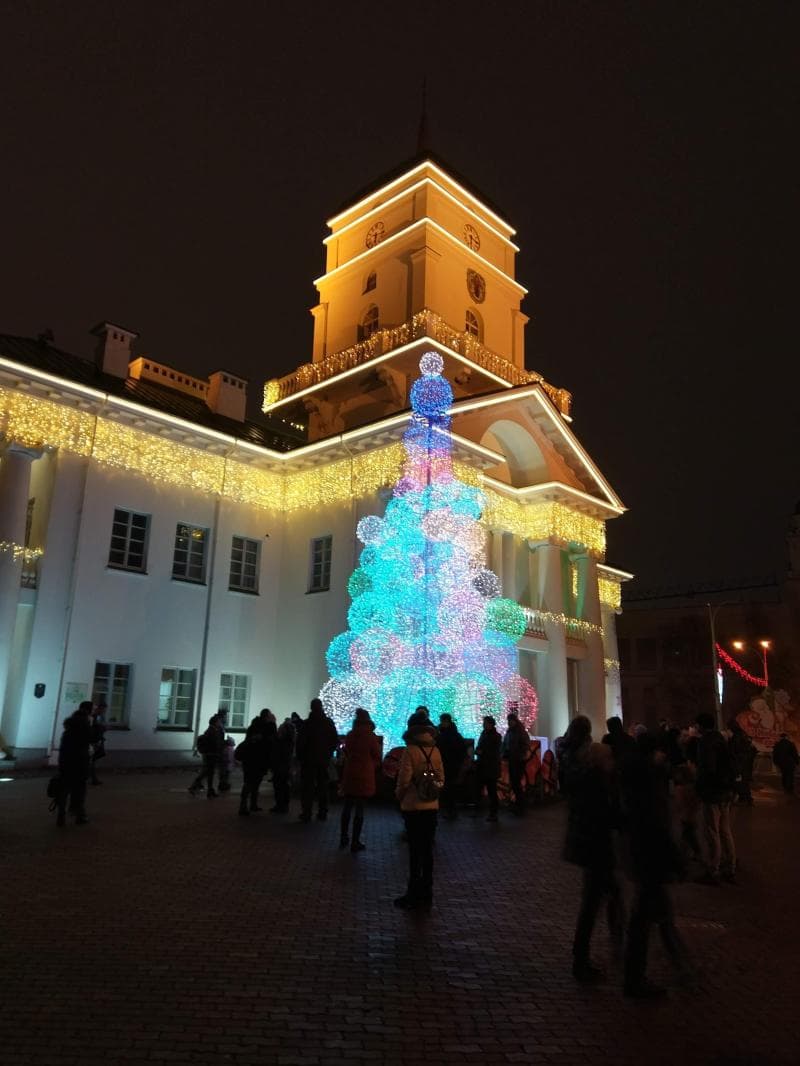
Explore Minsk's historic Upper Town in Belarus, a charming district brimming with centuries-old architecture, cultural landmarks like the City Hall, and vibrant local stories.
Overview
Minsk's Upper Town, known locally as Verkhni Gorod, stands as the historical heart of Belarus's vibrant capital. This district, nestled on the elevated left bank of the Svisloch River, offers a captivating journey back in time, distinct from the city's broader Soviet-era architecture. It is a compact, walkable area where centuries of history, diverse architectural styles, and a palpable sense of old Europe converge. Today, it serves as a cherished space for leisurely strolls, cultural exploration, and appreciating the city's rich heritage.
History & Cultural Background
The history of Upper Town stretches back to the 16th century when Minsk was part of the Grand Duchy of Lithuania. A pivotal moment in its development was the granting of Magdeburg Law to Minsk in 1499, which bestowed self-governance upon the city. This right led to the establishment of a magistrate and a Town Hall, making the Upper Town the political, administrative, and religious epicenter. Originally, a wooden town hall marked the square, a symbol of its newfound independence. Over the 17th and 18th centuries, the area flourished, with churches, noble estates, and trading rows actively built, becoming the hub of city life where fairs were held and important decisions were made. However, the original Minsk City Hall, a neoclassical structure from the 16th century, faced demolition by tsarist authorities in 1857, erasing a significant piece of local identity. The area suffered further from fires and wars throughout the 19th century. Despite this, an ambitious reconstruction project in the early 2000s, completed in 2003, brought the City Hall back to life based on historical drawings and archaeological research, reviving its 18th-19th century neoclassical style.
What Makes It Special
What sets Upper Town apart is its unique blend of architectural styles—Baroque, Classicism, Renaissance, and Art Nouveau—showcasing Minsk's multifaceted past. The reconstructed Minsk Town Hall on Freedom Square is a central highlight, now serving as a cultural and ceremonial venue, hosting exhibitions and public events that celebrate Minsk's heritage. Visitors can explore its interior, view models of the old city, and enjoy panoramic views. Another striking landmark is the 17th-century Holy Spirit Cathedral, a magnificent example of Vilnius Baroque and the main Orthodox church in Minsk. Across the street stands the Cathedral of the Name of the Blessed Virgin Mary, an 18th-century Jesuit church with preserved frescoes, embodying Eastern European Baroque. The district also features former monastery complexes, old noble estates, and historic houses that line its narrow, pedestrian-friendly streets.
Stories, Fun Facts & Local Details
The rebirth of the Minsk City Hall symbolizes the city's resilience and enduring civic pride. A delightful tradition at the Town Hall steps involves a small reenactment of the city's medieval trumpet signal at noon, a historical nod to the market days of old. Upper Town's streets, like Hertsen and Kirill and Methodius, are largely pedestrian zones, allowing for a tranquil exploration of its authentic architecture. From May to September, the area around the Town Hall comes alive with free concerts, theatrical performances, and fairs every Saturday, adding to its vibrant atmosphere. Beyond the main landmarks, curious travelers can discover hidden gems like the Przeździecki Estate or the Masonic House on Muzykalny Lane, offering a glimpse into non-touristy details and a deeper understanding of Minsk's past. The Holy Spirit Cathedral also houses the revered Icon of the Mother of God of Minsk, one of Belarus's most important relics.
Visitor Perspective
For visitors, Upper Town is an ideal starting point to explore Minsk. It offers a cozy, European feel that provides a stark contrast to the wider boulevards and Soviet-era constructions found elsewhere in the city. It's a place where every stone holds a story, inviting a slow exploration rather than a rushed tour. Many museums, including those dedicated to Minsk's history and public transport, are located within or near the Upper Town, offering deeper insights. The area is conveniently located within walking distance of the Nemiga metro station and provides easy access to other significant attractions like the Trinity Suburb and Zybitskaya Street, known for its nightlife. Weekdays often see fewer tourists, providing a quieter experience, while evenings, with the city lights illuminating the baroque facades, create a stunning backdrop for photography and enjoyment.
Coordinates: 27.56653, 53.90019
View on Google Maps💬 How Travelers Describe This Place
Based on community votes
Photogenic
971Interesting
594Must See
516Unique
301Beautiful
82
Traveler Stories
Discover memorable experiences shared by travelers who have visited this place.
No traveler stories yet.
Be the first traveler to share what made this place memorable.
Things to see at Upper Town



Tour
By
Spot
Discover amazing places around the world. Your journey starts here.
Explore
© 2026 TourBySpot. All rights reserved.