Music Lane
Minsk, Belarus
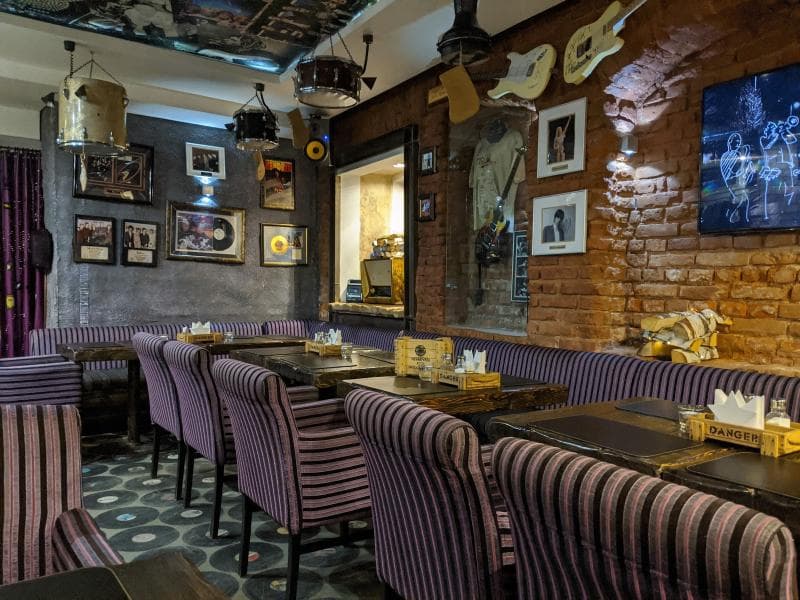
Discover Muzychny Lane (Music Lane) in Minsk's Upper Town, Belarus, home to the Museum of Theatrical and Musical Culture and a gateway to the city's artistic heritage.
Overview
Tucked within the venerable Upper Town district of Minsk, Belarus, lies Muzychny Lane, often translated as 'Music Lane'. This charming thoroughfare offers a unique glimpse into the rich cultural tapestry of the Belarusian capital. Far from being merely a street, it serves as a historical artery, leading visitors to a significant cultural institution that champions the nation's artistic heritage. While its name might evoke images of bustling concert halls or street performers, its primary claim to fame is its role as the address for the Museum of the History of Theatrical and Musical Culture of Belarus.
The Upper Town itself is the historical heart of Minsk, a compact and walkable area where layers of history are visible in its ancient architecture and cozy corners. It's a place where the echoes of the past mingle with the vibrancy of contemporary life, hosting open-air concerts, festivals, and fairs, especially during the summer months. Street musicians often grace Liberty Square, the central hub of the Upper Town, creating an atmosphere that resonates with the spirit of Muzychny Lane.
History & Cultural Background
Muzychny Lane's historical significance is deeply intertwined with the building at number 5, which houses the Museum of the History of Theatrical and Musical Culture of Belarus. This edifice is not just a museum; it is an architectural monument dating back to the 18th century, showcasing elements of Baroque and early classicism. Before becoming a custodian of Belarusian cultural heritage, this grand structure served as the House of Freemasons, a place where the 'Northern Lights Lodge' once convened.
The museum itself, established in 1990 and later becoming a branch of the National Historical Museum of the Republic of Belarus in 2014, dedicates its exhibitions to tracing the origins and evolution of theatrical and musical culture across Belarusian lands. Its displays cover the formation of national professional theatrical and musical culture in the 19th century and its development throughout the 20th century. This focus highlights Belarus's long-standing connection to performing arts, with documentation of its music traditions stretching back to at least the 15th century, and the rise of private theaters in cities like Minsk by the 17th century.
What Makes It Special
What makes Muzychny Lane special is its ability to encapsulate a significant portion of Belarus's artistic soul within a single, historical setting. It's a place where the physical remnants of the past, like the 18th-century architecture of the former Masonic House, directly contribute to the narrative of cultural preservation. The lane is a quiet yet profound testament to the enduring human need for artistic expression, transforming a historical street into a focal point for understanding Belarus's rich performing arts legacy. It stands out as a guardian of intangible heritage, offering a tangible connection to the melodies and dramas that have shaped the nation.
The lane's location within the lively Upper Town amplifies its charm. While the museum offers a structured exploration of history, the surrounding area provides an immersive, living cultural experience, especially during the summer season. The 'Classics at the Town Hall' and 'Jazz Evenings' events, held in Liberty Square, draw thousands and provide a modern continuation of the musical traditions honored on Muzychny Lane.
Stories, Fun Facts & Local Details
One interesting detail is the dual identity of the museum building itself. Its past life as the 'House of Freemasons' adds a layer of mystery and intrigue to its already significant cultural role. Imagine the secret meetings and philosophical discussions that once took place within walls that now celebrate public performances and musical achievements. This historical duality makes a visit to the museum on Muzychny Lane more than just an educational trip; it's an encounter with layers of history, both overt and esoteric.
The very name 'Muzychny' or 'Musical' Lane is a fitting descriptor, not just because of the museum, but also due to the general atmosphere cultivated in the Upper Town. The presence of street musicians, particularly in the warmer months, imbues the area with an organic, spontaneous musicality. It's as if the lane, through its museum, provides the historical context, while the surrounding square provides the contemporary soundtrack, making the entire district a 'music lane' in a broader, more experiential sense. The area's revitalization project, which began in the mid-2010s, aimed to create a vibrant arts marathon across multiple venues, further cementing the Upper Town's reputation as a hub for cultural events.
Visitor Perspective
For a curious traveler, Muzychny Lane offers a tranquil yet enriching experience. It's an opportunity to step away from the more bustling parts of the city and delve into a quieter, more reflective side of Minsk's cultural scene. A visit to the Museum of the History of Theatrical and Musical Culture provides a deep dive into Belarusian artistry, from folk traditions to classical compositions and dramatic performances. The museum's regularly held exhibitions and cultural events ensure there's always something new to discover for those interested in the performing arts.
After exploring the museum, visitors can wander through the cobblestone streets of the Upper Town, perhaps catching a live performance in Liberty Square. The compact nature of the district makes it ideal for slow exploration, discovering not only main landmarks but also hidden gems. Muzychny Lane, therefore, is not an isolated attraction but an integral part of a larger, vibrant cultural landscape, promising an authentic and meaningful encounter with Belarusian heritage.
Coordinates: 27.56653, 53.90019
View on Google Maps💬 How Travelers Describe This Place
Based on community votes
Interesting
961Must See
733Photogenic
695Beautiful
404Unique
336
Traveler Stories
Discover memorable experiences shared by travelers who have visited this place.
No traveler stories yet.
Be the first traveler to share what made this place memorable.

Tour
By
Spot
Discover amazing places around the world. Your journey starts here.
Explore
© 2026 TourBySpot. All rights reserved.